
 Unbelievable facts
Cats can distinguish voices, but continue to show indifference even when their owners call them, Japanese scientists have found.
Researcher Atsuko Saito from the University of Tokyo observed 20 cats at home for 8 months.
Scientists have studied how cats respond to the voices of their owners and strangers using a method that is used in scientific research to assess the cognitive abilities of babies and animals.
The results of the study showed that 50-70 percent of cats turned their heads (which is a typical response to sound) when they heard a person call them. About 30 percent moved their ears.
But only 10 percent meowed or moved their tails, which is sort of a feline answer.
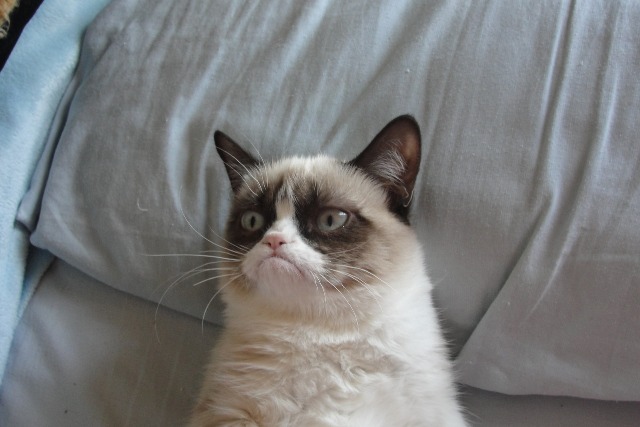
This percentage was the same regardless of whether they were called by strangers or owners.
However, a more detailed analysis of the cats' responses revealed something else. Cats responded more actively to their owners' voices. This suggests that they can distinguish between the voices of owners and strangers, but react only slightly compared to dogs.
Researcher Saito argues that the same method cannot be used on dogs, as they are usually friendly to everyone.
Why does the cat trample on you?
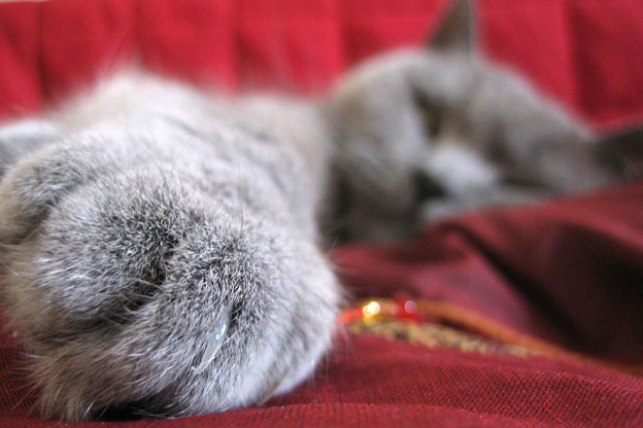
Cats have unique and funny behaviors, and one of them is trampling or kneading their paws.
At the same time, cats make rhythmic movements with their paws, reminiscent of kneading dough, against a soft object, such as a pillow, another cat, or your knees.
Here are a few reasons why they do it:
There's a baby in the shower
Cats begin to trample their paws since childhood, feeding on their mother, and stimulate milk production with their movements. Adult cats also associate this behavior with comfort.
Love is evil
If a cat curls up and tramples on you when you pet it, it reciprocates and loves you. Unfortunately, the happier your cat is, the more often it will release its claws. You can place a soft pillow between you and your cat, or stroke the cat's belly if its claws start to hurt you.
The color of a cat's coat will tell you about its character
Stretch
Cats naturally love to stretch, and trampling on their paws is one of the many ways to keep fit.
They go to bed
The wild ancestors of domestic cats liked to lie on soft surfaces. To do this, they trampled on leaves or grass to provide themselves with a comfortable place to sleep and perhaps to see if someone was hiding under the vegetation.
They mark the territory
Cats are territorial animals and one way to protect their sphere of influence is to tag what they own. When they put their feet on the surface, including you, they activate the odorous glands on their paws, marking their property.
Estrus
Female cats also often trample their paws before oestrus or estrus, the period preceding mating.
Why do cats purr?
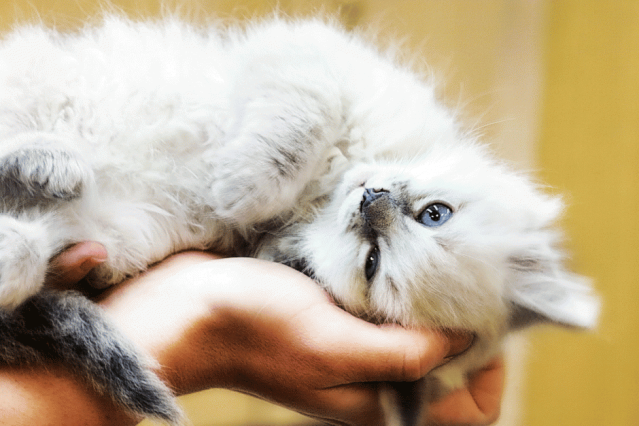
While cats are thought to purr when they're happy, research suggests that purring is a form of communication and self-medication.
The cat purrs when you pet it, but also when it is scared and feels dangerous, for example during a visit to the vet.
Scientists have studied the purring of cats and found that these sounds occur at a frequency of 220 — 520 Hz. A baby's crying has a similar frequency of 300 to 600 Hz.
Perhaps this is how cats take advantage of people's innate ability to respond to crying sounds.
Experts also believe that cats purr to treat themselves. A purring frequency of 24 to 140 vibrations per minute has a therapeutic effect on bone growth, pain reduction and wound healing. In addition, this behavior has a positive effect on cat owners, reducing stress and lowering blood pressure.
Why do cats meow?
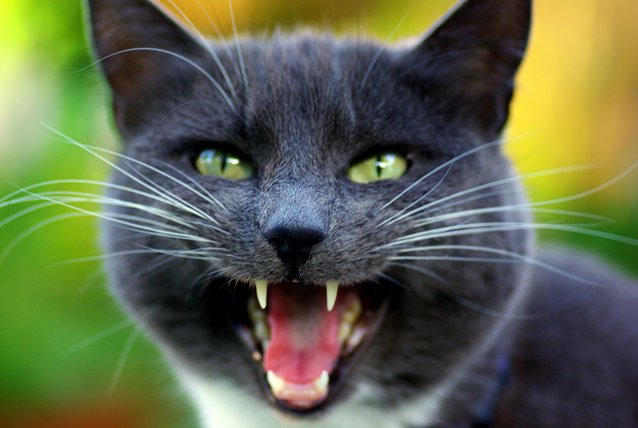
Cats can make up to 30 different sounds, including 19 different meowing variations. But what do they mean? Here are a few common values:
“It hurts”
If the cat suddenly begins to meow excessively, a visit to the vet is worth visiting. This may indicate a health problem, especially if this behavior is not typical. Many diseases can make cats hungry, thirsty, sore, and cause them to meow loudly.
“Hi”
A cat often meows at a person when they get home or when they meet them at home.
“I'm hungry”
This type of meow is known to all owners and cats know how to show their family that it's time to eat.
“Pay attention to me”
Sometimes cats meow just to get attention, to start a game, to be petted or talked to.
“Let me in”
If the door is closed, the cat may start asking to let her home.
“I'm in heat”
Female cats begin to meow intensively during estrus.
Stroking causes stress to cats
“I'm stressed”
Cats can meow unusually loudly when they are stressed, for example when driving in a car.
“I'm annoyed”
An angry, anxious cat may start to meow loudly (or practically howl) if it feels dangerous
“I'm lonely”
When a cat is left alone for a long time, it may become anxious and meow frequently.
“I'm getting older”
Frequent meowing is common in older cats when cognitive function decreases.