
 Events
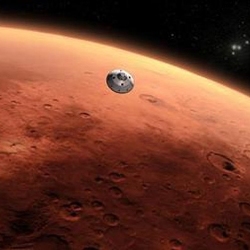
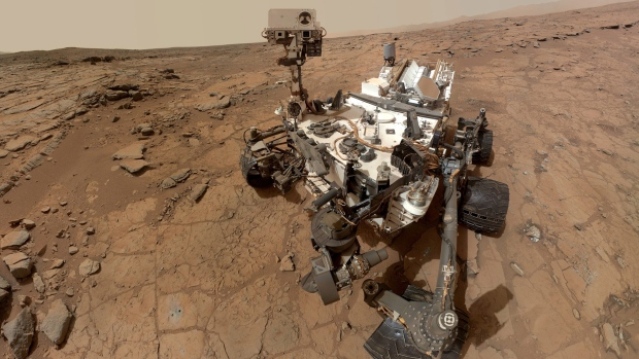
NASA said there is no methane in the Martian atmosphere after the Curiosity rover was unable to detect any amount of gas.
The results were a bit surprising and disappointing for many people.
The presence of methane, the main component of natural gas on Earth, would be a sign that the planet is still alive, meaning microbes living under the Martian surface could release this gas.
Is there life on Mars?
The Curiosity rover tested the atmosphere six times between October last year and June and found no traces of gas.
This also makes it less likely that methane came to Mars from external sources, such as meteorites and dust from other planets.
Based on the sensitivity of the instruments, scientists have come to the conclusion that if Mars had methane, it would be less than 1.3 particles per billion. This is 6 times less than previously thought.
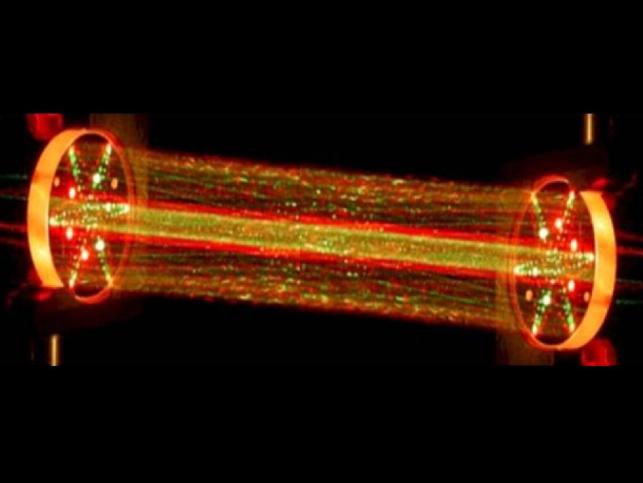
But NASA isn't giving up yet, and is going to use SAM's laser spectrometer to find methane below 1 particle per billion. If there are any traces of methane, Curiosity will find it. However, the fact that it has not yet been discovered suggests that there is no mechanism on the planet that produces sufficient methane.
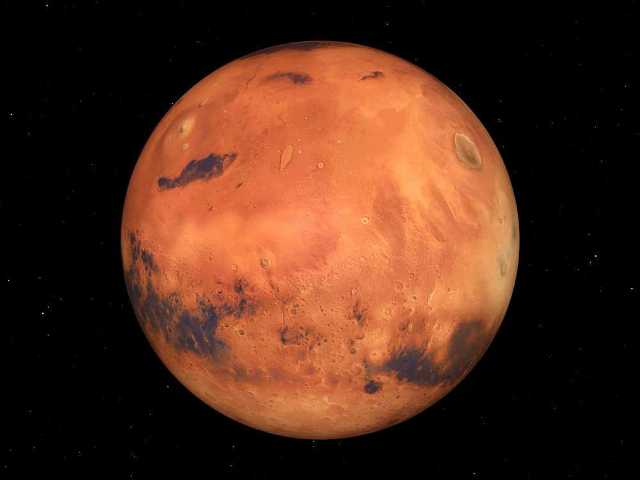
So far, this is not proof that there is no life on Mars, as there are organisms on Earth that do not produce methane.
Life on other planets

Scientists believe that gas by-products would be the first signs of life around distant stars.
First of all, experts are trying to detect methane, a by-product of animals on Earth.
But methane isn't the only gas linked to life. Photosynthesis in plants leads to oxygen production, microbes produce nitric oxide, algae release chloromethane.
What makes Earth an ideal place to live?
All of these chemicals, if found in sufficient quantities in the atmosphere, could help in the search for extraterrestrial life.
A group of European scientists spoke at the European Congress of Planetary Sciences about their plans to discover life beyond our solar system.
Chemicals in the atmosphere distort the light that passes through it in a fairly predictable pattern.
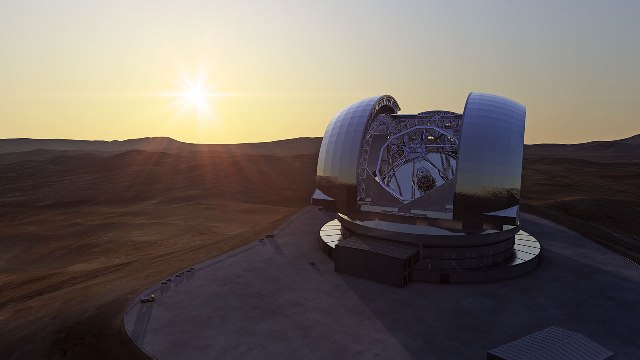
The European Extremely Large Telescope in Chile is likely to be the first instrument to pick up these signs.
This method also has its drawbacks, as it is based on the assumption that life on other worlds is the same as ours, but no one can be sure about it.