
 Unbelievable Facts
The taste is not only one of the most pleasant, but also a rather complex sensation that science is just beginning to understand.
Here are some amazing facts about your ability to taste.
Taste sensations
1. Each of us has a different number of taste buds
We have several thousand taste buds in our mouths, but this number varies from 2,000 to 10,000 from one person to another. Taste buds are found not only on the tongue, but also on the palate and walls of the mouth, throat and esophagus. As you age, your taste buds become less sensitive, which probably explains why foods you didn't like as a child taste good as an adult.
2. You taste with your brain

When you bite into a piece of cake, it feels like your mouth is full of taste sensations. But most of these sensations occur in your brain.
The cranial nerves and taste buds send food molecules to the olfactory nerve endings in the nose. These molecules send signals to an area of the brain known as the primary gustatory cortex.
These messages, combined with smell messages, provide a sense of taste.
Loss of taste
3. You don't taste well if you can't smell

Most of the senses of taste are smells that are transmitted to the olfactory receptors in your brain. The inability to smell due to colds, smoking, and some drug side effects can affect the olfactory receptors in the brain, making it difficult for you to taste.
Read also: 10 easy ways to improve the taste of your dishes
4. Sweet foods make meals memorable

A new study has found that centers associated with episodic memory in the brain are activated when we eat sweets. Episodic memory is a type of memory that helps you remember what you were experiencing at a specific time in a particular place. Episodic memory can help control eating behavior, such as making decisions based on what we eat and when we eat.
5. The taste can be turned off

Scientists have learned to stimulate and silence neurons in the brain that are responsible for the main taste sensations: sweet, sour, salty, bitter and umami. For example, in an experiment on mice, when they stimulated a bitter taste, the mice frowned.
6. You can change your taste experience by yourself

Your taste buds are sensitive to certain compounds in food and drugs, which can change your ability to perceive basic taste sensations.
For example, sodium lauryl sulfate in most toothpastes temporarily suppresses the sweetness receptors, making orange juice drunk right after brushing your teeth feel like unsweetened lemon juice. Also, the cynarin compound in artichokes can temporarily block sweet receptors.
Taste perception
7. The smell of ham gives the food a salty taste

There's an entire industry coming up with the flavor of the food you buy at the store. The phenomenon of “phantom aroma” makes us associate foods with a specific taste. For example, by adding the smell of ham to a meal, your brain will perceive it to be saltier than it is, since we associate ham with salt. And by adding vanilla to your meal, you will perceive the product as sweeter.
8. We prefer spicy food during the flight

A noisy environment, such as when you're on an airplane, can change your sense of taste. The study showed that on an airplane, people suppress sweet receptors and increase the receptors of the “fifth taste” – umami. For this reason, it is more common to order food with a strong taste on the plane. German airline Lufthansa has confirmed that passengers order tomato juice as often as beer.
9. If you're picky about food, you might be a “super taster”

If you can't stand the taste of eggplants or are sensitive to even the slightest presence of onions in your food, you may be among the 25 percent of people called “super tasters” who have the most on their tongues the number of taste buds, which increases taste sensitivity.
Read also: The most amazing human superpowers
10. Sweet cravings are linked to our survival
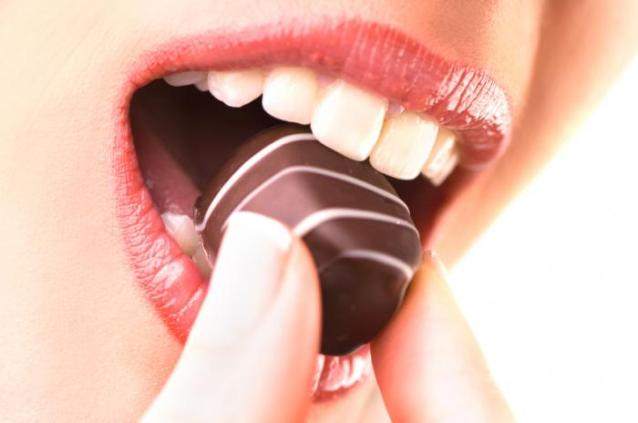
Love for sweets does not mean a lack of self-control. Scientists believe that it is a biological preference that ensures our survival. Our preference for sweets has helped us adopt foods that taste sweet, such as breast milk and vitamin-rich fruits. Recent studies also indicate that sweets have analgesic properties.