
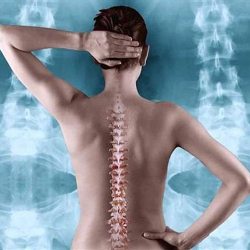
 Health
We can't see the bones, but we can do everything we can to keep them healthy.
There are lots of things you might not even know about our bones. For example, did you know that bone building ends by age 30? And the fact that certain diseases increase the risk of osteoporosis? In fact, all of our habits, starting with the ones we've acquired since childhood, influence the strength and health of our bones.
So what do we need to know about our body's strong foundation, like bones?
1. Sunlight is essential for bones
 You probably know that calcium is involved in bone building, but did you know that sunlight is also important? Although bones are not directly exposed to sunlight, vitamin D, which is produced by the body when exposed to sunlight, is essential for maintaining healthy bones.
Vitamin D improves bone cell function. To prevent osteoporosis, you need to get vitamin D from infancy, but it's never too late to fix the situation. In addition to sunlight, vitamin D is also found in salmon, eggs, and foods that are fortified with vitamin D.
2. It is necessary to prevent osteoporosis from childhood
 Before the age of 18-19, it is possible to significantly improve the health of our bones. The construction of bones in the body continues until about 30 years. After that, we simply maintain the health of our bones by replacing lost cells for up to 50 years. Bone loss increases rapidly during menopause and then slows down.
So what does this mean? The stronger our bones are during adolescence, with proper calcium and vitamin D intake, the less likely we are to develop osteoporosis.
3. Strong muscles are strong bones
 Many people know that exercise helps build muscle mass. New research has also shown that exercises such as lifting weights, walking and jumping, which use a little bit of bone tissue, help strengthen bones. This is true even if you suffer from osteoporosis or low bone density.
So next time you see your kids jumping on the bed, remember that they're strengthening their bones this way. As for adults, to prevent osteoporosis, you just need to move more often.
4. Diseases wear out bones
 When you're sick, you can often feel it on your bones. Moreover, some diseases cause serious damage to bone health. These include gastrointestinal disorders, anorexia, gluten intolerance, and other conditions that interfere with calcium absorption.
Also, bone condition can worsen with hyperthyroidism and diseases that have kept you bedridden for a long period. If you have a serious medical condition that prevents you from living an active lifestyle, you should consult your doctor about taking calcium supplements.
5. Drugs can also damage bones
 Sometimes it's not about illness, it's about curing the disease. Drugs that can undermine bone health include high-dose corticosteroids such as prednisone, cortisone, prednisolone, and dexamethasone, as well as those used in cancer treatment. Older treatments for epilepsy can also lead to problems with vitamin D absorption.
If you need serious treatment, ask your doctor what can be done to prevent bone loss.
6. Most of us don't get enough calcium
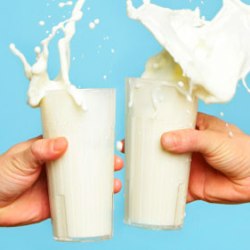 When it comes to eating healthy for bones, the most important thing is to eat foods that are rich in calcium. The only problem is that most of us forget it.
According to the study, the categories of people who most need calcium, namely adolescents and pregnant women, who need to provide calcium to their baby and maintain their bone density tissues that consume too little calcium.
Many teenage girls aged 13-14 receive only half of their daily calcium requirement.
7. Don't rely on vegetables
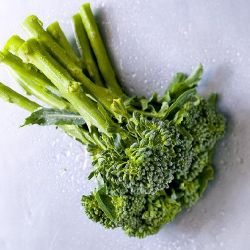 If you're on a vegetarian diet, you probably know that vegetables like spinach and broccoli are great sources of calcium. But it's not enough to build strong bones. To get the same amount of calcium found in a glass of milk, you'll need to eat six servings of broccoli.
In addition, our body is not very good at absorbing calcium from vegetables. And while vegetables can be part of a healthy diet, you should also get calcium from other sources.
8. Some foods are bad for bones
 Salty foods, soda, and caffeine prevent calcium absorption, but they won't cause calcium deficiency if you get it from other foods.
The danger lies if, for example, you do not drink milk, but drink sparkling water. All of the above foods can be consumed in moderation as long as you get enough calcium. If you don't like milk, you can get calcium from other sources, such as dairy products, cheese and sardines.
9. Skinny as a skeleton? It's bad for your skeleton
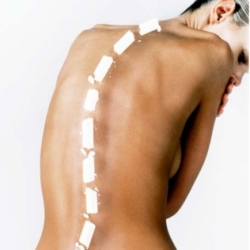 Are you obsessed with losing weight at all costs? Keep your bones healthy. Weight changes, both in the case of eating disorders and rapid weight loss, cause serious damage to bones, increasing the risk of developing osteoporosis earlier than usual.
Many women and girls also avoid dairy products because they are afraid of gaining weight, despite the fact that studies have shown that consuming dairy products can help control weight. One thing to remember is that calcium is a necessary part of a healthy life.