
 Health
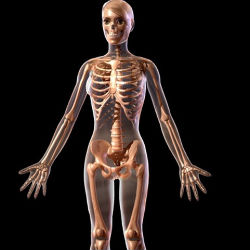
Human bones are always at the forefront of attack when reliable protection is required. Bones protect the brain, heart and lungs; bones are a kind of skeleton for the muscles of our body; thanks to the bone structure we have, our body has a sufficient degree of mobility so that you can successfully perform all the necessary life functions. We, in turn, are required to take appropriate care of our bones, which should include good and proper nutrition, regular exercise, and timely supplies bones with calcium and vitamin D.
The activities you need to do to keep your bones healthy aren't all that different, depending on how old you are. Here are some useful tips on how to take care of your skeleton bones at different ages. For this purpose, let us consider the three most global stages of human development: childhood, adulthood to old age, and, in fact, old age itself.
How to care for bones during childhood and adolescence (under 19 years of age)
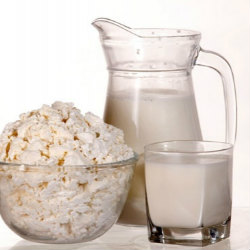 Childhood and adolescence are the most suitable period to think about the need for a dairy diet. To do this, it will be enough to include milk and cottage cheese, or some other foods that are rich in calcium, in the child's daily diet. The calcium diet is a key point for the body's growth process, since it is during this period, when the human body changes rapidly from year to year, that the necessary foundation is laid in the form of strong and healthy bones. Once you reach adulthood, you'll have to make do with the bones you've built for yourself by consuming calcium and vitamin D (a vitamin that helps your body absorb calcium).
At this age, a healthy and adequate diet, rich in vitamins and minerals, is key to maximizing the potential of the human skeleton. Adults should pay special attention to the nutrition of adolescent girls, as it is during this period that their experiments with various diets threaten to lead to problems such as anorexia ( pathological aversion to food) and bulimia (a sharply increased feeling of hunger, not accompanied by a feeling of satiety). According to Dr. Karl Rathjen, a pediatric orthopedic surgeon at Texas Scottish Rite Hospital for Children, the presence of these pathologies conditions can signal that girls' bone health is not all right either.
Experts also note that during this period it is extremely important for children and adolescents to exercise to strengthen the muscles and bones of the body. As a rule, we are talking about exercises that use moderate weights in order to accustom the body to a certain load. It is necessary to devote about half an hour a day to such exercises, but at the same time, care must be taken to ensure that the child does not overload his body with excessive loads in order to avoid musculoskeletal damage, which is especially dangerous for him during his pre-adolescence.
How to care for bones in adulthood and old age (ages 20 to 70)
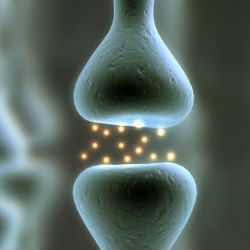 As soon as a person enters adulthood, he is faced with many different small and large concerns and responsibilities, as well as temptations that often leave him no time for to take care of your bone health (and not only!). This is also a rather difficult period, since the time that nature has allocated to humans to form bone density (childhood and adolescence) is already behind us. As adults, young people should do everything possible to maintain their skeletal bone density and prevent the development of diseases such as osteoporosis (bone thinning).
Dr. Kim Allen, a physician at Texas Health Presbyterian Hospital Dallas, based on his own experience and numerous studies, recommends all their adult patients exercise at least five times a week for thirty minutes a day. At the same time, Dr. Allen recommends paying special attention to those exercises that help strengthen muscles and bones. The therapist also insists on the need to include foods rich in calcium in your diet in adulthood and old age. Milk, yoghurt, cheeses and vegetables should be consumed at least twice a day.
How to take care of bones at a very old age (over 70)
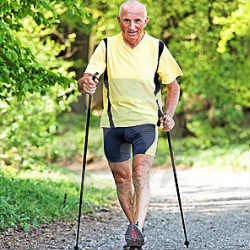 Old people, if they have been exercising all their lives, should never stop these activities, which give them the opportunity to maintain the groundwork that has been built during all my life. At the same time, you need to slightly intensify your calcium diet, bringing your daily calcium intake to 1.2 milligrams. As for women, it is very important that women undergo regular bone density tests after menopause.
According to Dr. Mitch Carroll, a gerontologist and director of the Senior Health Clinic at Texas Health Presbyterian Hospital Dallas), men will also benefit from such a medical examination, which will help establish bone density, but in the case of males, it is not always clear from which age should undergo a similar examination. However, men who have lost drastically weight, or those who have been exposed to steroids for a long time, should also be regularly screened for osteoporosis. According to experts, early diagnosis of this disease will eliminate the very serious consequences associated with osteoporosis by prescribing special treatment to strengthen bones skeleton.