
 Events
Easter (the Resurrection of Christ) is rightfully considered the main Christian holiday, because it is the belief that Jesus Christ has risen that is the basis on which all Christian faith is built.
Easter is a symbol of rebirth, the transition from death to eternal life. We will talk about the history and traditions of this bright holiday in this article.
What is the date of Easter in 2020
Orthodox Easter in 2020 is celebrated on April 19.
It's important! Easter is celebrated on different dates every year, but it always falls on a Sunday, because it was on Sunday that Jesus Christ was resurrected. But how do you know when to celebrate Easter? It's simple: the day of celebration is calculated according to the lunisolar calendar.
The essence of Easter
Initially, the death and resurrection of Jesus Christ were celebrated every week, with Friday (the day of fasting and sorrow) remembering the Savior's suffering, while Sunday was a day of joy and goodness to lead. These celebrations became more solemn during the Jewish Passover (Passover).
Old Testament Easter
According to legend, God ordered that on the night before the 14th day of the first month of the lunar calendar, every Jewish family should sacrifice a young and immaculate lamb, whose meat was cooked for fire, it was necessary to taste with bitter herbs, as well as unleavened (or leavened) bread.
An interesting fact! When baking leavened bread, two types of dough were used — old (sour) and freshly mixed, which symbolized existence before turning to God and living according to the commandments of Jesus Christ.
In addition, God commanded the Israelites to smear the door jambs with the blood of the lamb to protect themselves from the terrible punishment of the Lord caused by the hardening heart of the Egyptian pharaoh, who did not want to release Israel. Thus, a destructive angel sent by God visited every Egyptian home and killed all the firstborn children (and this included both people and livestock). But Jewish homes marked with the blood of the Passover lamb were not touched.
See also: DIY Easter crafts
The essence of the Old Testament Easter is that the Jewish people got rid of Egyptian captivity and found the promised land.
New Testament Easter
The essence of New Testament Easter is to gain eternal life through faith in Christ's resurrection, and to sacrifice an Easter lamb, like anointing doorframes with his blood, it took on a prophetic meaning, demonstrating the suffering of Jesus, who shed his blood to save humanity.
After his death, Jesus went to hell to convey his creed to the souls of the dead, rose from the dead, thereby disrupting the plans of the underworld, and brought out all who believed in him, giving them eternal life in the sky.
Jesus Christ, having shed his blood and resurrected, broke the devil's curses and gave those who believed in him grace and strength to find a new life.
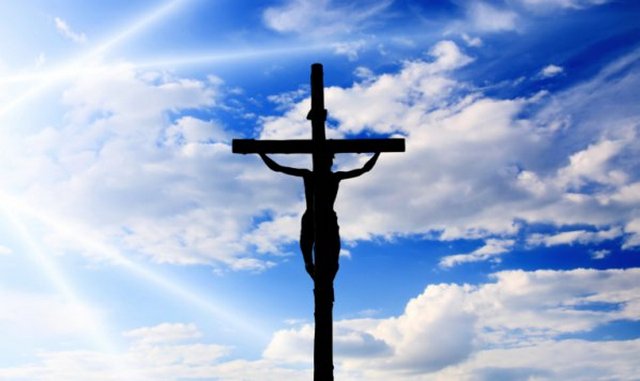
During his earthly life, the Savior performed many miracles, suffered terrible suffering from people and died on the cross, thereby atoning for mankind's sins.
Orthodox Easter
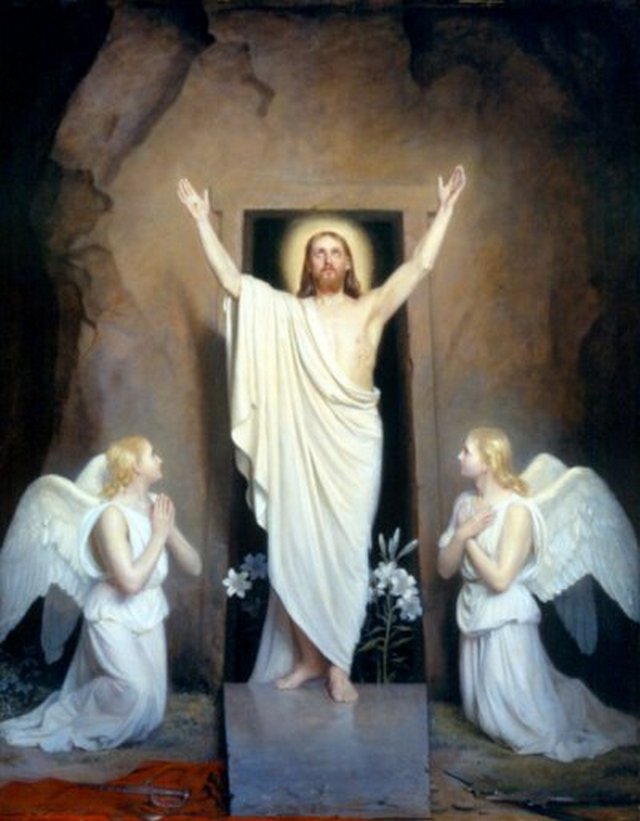
Easter is a holiday that marks not only the Resurrection of Jesus Christ, but also the rebirth to a new life. This is another reason to rethink your life and understand that spiritual content is much more important than any material wealth.
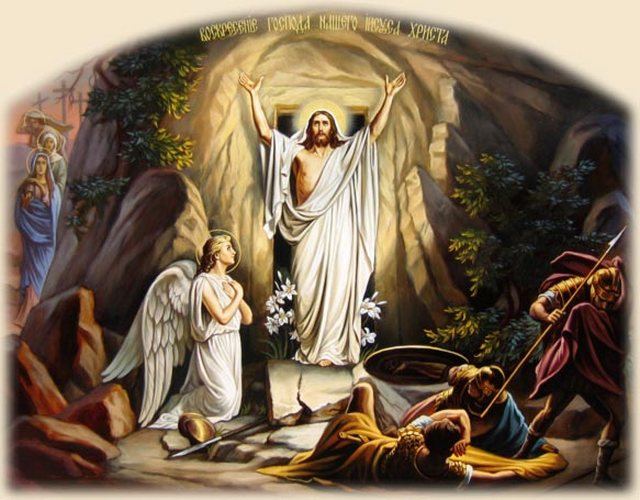
Easter events are described in all the Gospels without exception. Jesus himself repeatedly predicted his resurrection on the third day after his martyrdom. When he died, the Jewish chief priests, remembering the words of the Savior and afraid his body would be stolen by loyal disciples, on Saturday not only sealed the entrance to the cave where Christ was buried, but also guards were placed near the cave.
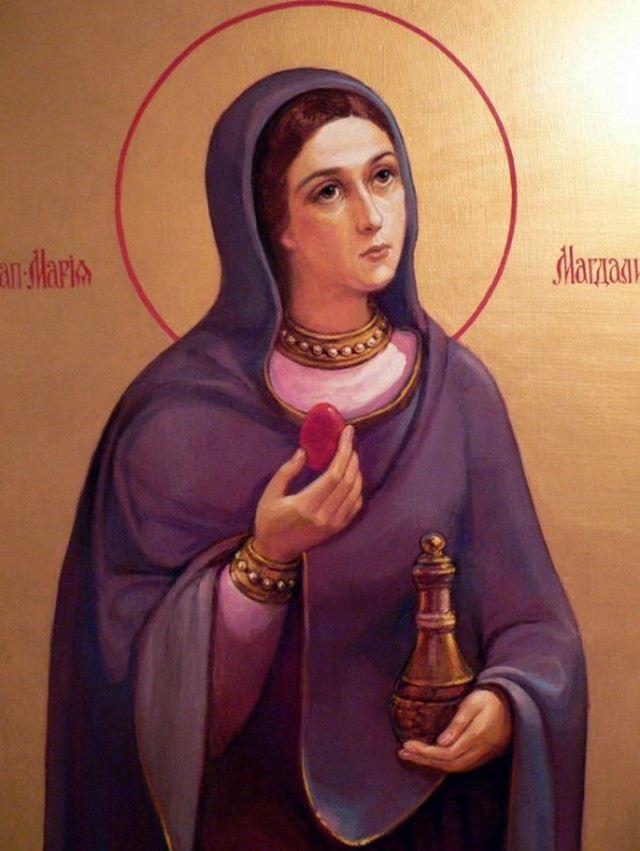
On Sunday morning, Mary Magdalene, like other myrrh-bearing wives who came to the cave to anoint the Savior with fragrant myrrh before the Savior was buried, found that the entrance to the cave was open. The tomb was empty, while a radiant angel announced that Jesus Christ had risen.
In honor of the miraculous Resurrection, a solemn church service is held on Saturday night to Sunday, the culmination of which is the early moment of the Savior's ascension to Heaven, who has found forever Immortality.
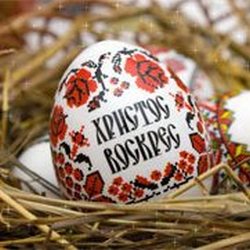
From this night on, on the next 40 days of Orthodox Easter, people greet as follows: the phrase “Christ is Risen” is answered “Truly Risen”.
Easter: traditions
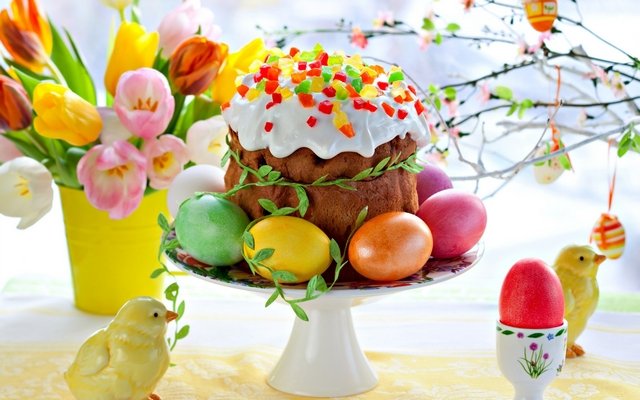
Orthodox Easter traditions:
Easter service starting at midnight from Saturday to Sunday
Consecration of food (cakes, leavened bread, eggs, paska, wine, etc.)
Decorating the house with flowers such as tulips, daffodils, lilies of the valley, willow, Easter wreaths
Coloring eggs Lighting candles that are placed in a central place in home Home
decoration with icons and bright images, as well as accessories with elements of Easter decor Parent
visits and a dinner together, which includes a rich menu table, because on Easter, Lent ends
the Lighting of the Holy Fire, which comes from Jerusalem. It is believed that a candle lit from this fire and brought home brings peace, peace and happiness.
The evangelism is the ringing of bells that carries the good news that Christ has risen.
It is impossible not to mention such a pre-Easter holiday as Maundy Thursday. On this day, cakes are baked, eggs are painted, believers confess in churches and take a bath, thereby purifying themselves spiritually and physically. Palm branches are also consecrated.
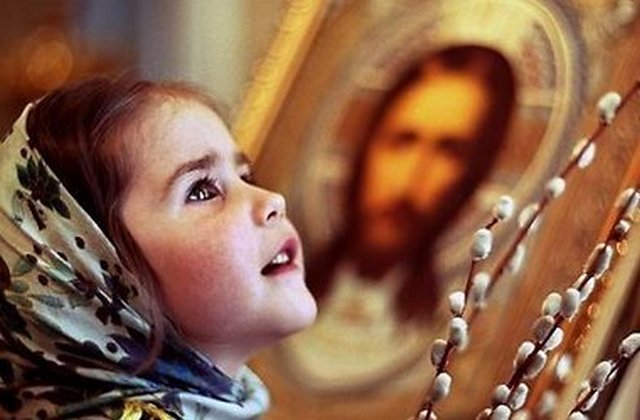
Maundy Thursday is followed by Good Friday, which represents Christ's suffering. From that day until Sunday morning, the bells stopped ringing. But on Saturday, a solemn church service begins, during which a liturgy is read, accompanied by a church chant. You can't swear and swear on this day.
It's important! When going to church, women should wear a long skirt, tie a scarf over their heads, and use a minimum of cosmetics. All believers should have a cross. Remember that church is not a place to draw attention to yourself. On the contrary, we should be humble here.
And remember that the main tradition of celebrating Easter is faith in Christ the Savior, which should be truly sincere, not ostentatious.
Catholic Easter
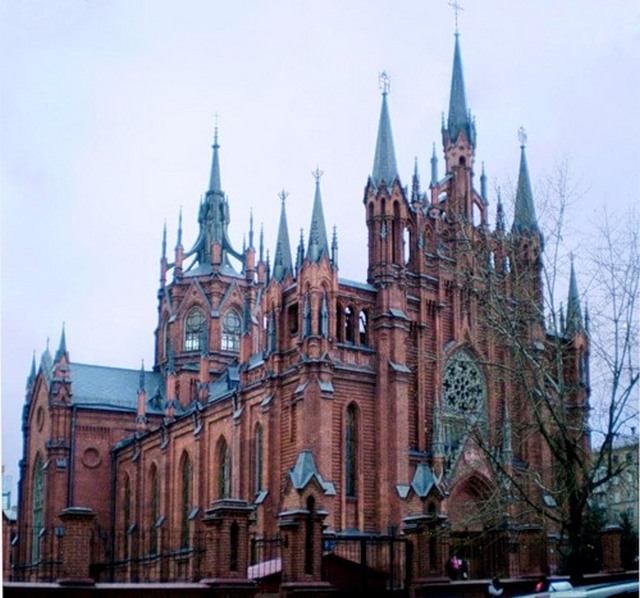
The date of celebrating Catholic Easter, like Orthodox Easter, is determined according to the lunar calendar. Catholic Easter in 2020 falls on April 12 (this holiday is always celebrated on the first Sunday after the first full moon).
The traditions of Catholic Easter are in many ways similar to those of the Orthodox holiday. Thus, believers go to the church on Saturday to defend the all-night service. On Sunday morning, clergy bless fire and water (the latter is sprinkled with eggs, as well as all Easter food, while the holy fire is carried home, after which special ones are lit Easter candles that cleanse the home from evil).
Easter Sunday morning begins with children and young people going around their neighbors' homes, singing songs and congratulating each other on this bright day. Easter celebrations are not complete without colored eggs that are thrown at each other, beaten, rolled on inclined planes, and simply exchanged. The Easter bunny brings eggs.
When adults come home from the service, everyone sits down at the festive table, which must include eggs or dishes prepared using them.
During Easter week, believers attend services in churches, and religious performances are held on the street.
Easter bunny

Among Catholics, it is the Easter bunny (or hare) that is considered a symbol of Easter. This animal hides in its hole colorful chocolate eggs that children should find on Easter morning. But! The rabbit brings such sweet gifts only to obedient and well-mannered children.
According to one version, this fairy-tale character laying chocolate eggs was invented by the Germans, and this happened during paganism (according to them, such beautiful eggs could not be laid by ordinary ones chicken).
There is another legend: for example, during the Great Flood, an ark sailing on the waves came across a mountain peak, which caused a hole in the bottom of the ship, which was plugged by a hare with its tail.
It is also believed that rabbits laying eggs thus make amends to people for frequent raids on gardens and vegetable gardens.
In the West, this symbolic image is widely cultivated: for example, entire parades are held, during which people dress up as bunnies, and stores sell all kinds of accessories, postcards and soft ones toys in the form of this animal.
Jewish Easter
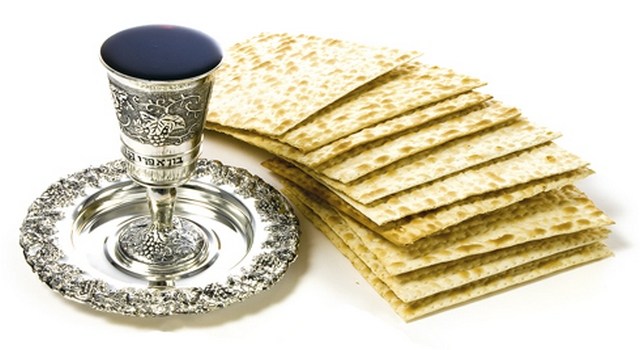
Passover (or Easter) is the oldest Jewish holiday associated with the Exodus of Jews from Egypt and the deliverance of this people from slavery.
Traditionally, the celebration of Passover every year begins, according to the Jewish lunar calendar, on the 14th of Nisan (on the night of this day, all Egyptian firstborn children died, except Jewish ones, because they are at home were marked with the blood of sacrificial lambs). It was in memory of the departure of Jews from Egypt under the leadership of Moses and the fact that death had passed their homes that the holiday of Passover was named, which is translated from Hebrew as “pass”, “bypass” or “pass” past.”
The holiday lasts 7 days. In 2020, Jewish Easter begins on April 8 and ends on April 16.
Passover for Israelis is a time of mass excursions and pilgrimages to Jerusalem.
Jewish Easter traditions
Collecting all leavened (fermented) before Passover and burning what was collected on the morning before the holiday
Eating matzah, unleavened cakes dough that are baked in memory of Jews who hurriedly left Egypt and took bread with them that did not have time to ferment, so it was an unleavened
post of first-born men in memory of those saved in Egypt's first children of Israel
Weekends on the 1st and 7th days of Passover (you can work on other days, although with restrictions)
Holding solemn services on the first night, and also on the first two days of Easter.
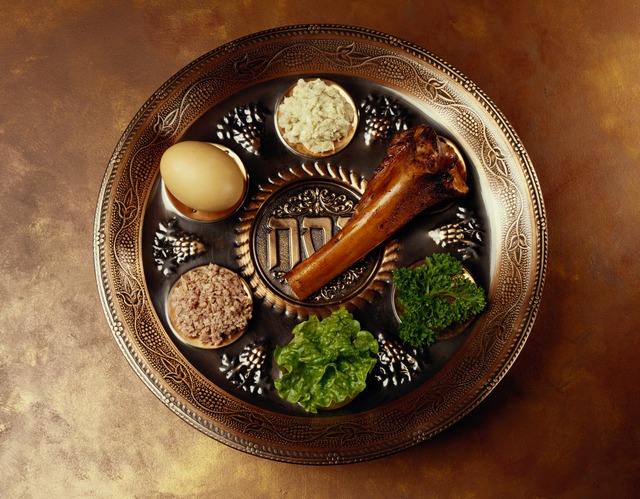
Special attention should be paid to the family meal on the evening of Nisan 14, with which Passover begins. Thus, during a meal, everyone drinks 4 glasses of wine, which symbolizes the four bowls mentioned in the Torah. There must be matzo on the table (two or three matzah are laid out one on top of the other).
The festive table should also include:
chicken eggs and wings representing the sacrificial lamb, saltwater
containers symbolize the tears of the Israelites who were enslaved,
bitter grass (for example, celery or horseradish),
charoset (a sweet mixture consisting of fruits, nuts, wine and flour) is a memory of clay (it was from which Jews made bricks when they were Egyptian slaves).
By the end of the dinner, the front door opens, symbolizing the beginning of the exodus of the sons of Israel from Egypt.
On the last day of Easter, synagogues read a prayer to remember the dead. It is also traditional on this day for Jews to go to the pond and sing an excerpt from the Torah dedicated to the events of the Exodus.
Fasting before Easter
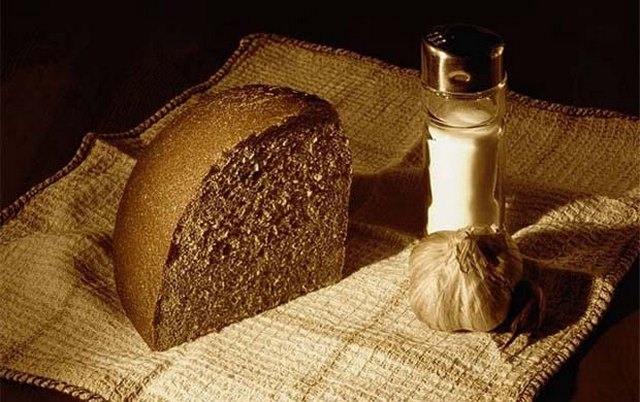
Fasting before Easter lasts 7 weeks, during which believers adhere to strict dietary rules. It should be noted right away that for an unprepared person, such abstinence can be a difficult test, so you need to be patient and tune in to the positive outcome of this enterprise.
Lent is a time when each of us, giving up pleasures, can rethink and reevaluate life values.
But! Fasting should not be harmful to your health, so it is recommended that you consult your doctor before taking it.
The following categories of people are contraindicated to adhere to the fast:
Suffering from peptic ulcers
With impaired functioning of the gastrointestinal tract
Elderly people
Pregnant and lactating women.
If you are not completely ready to give up Fasting, you can make it less strict so as not to limit the intake of essential vitamins and nutrients.
What you can eat on Easter
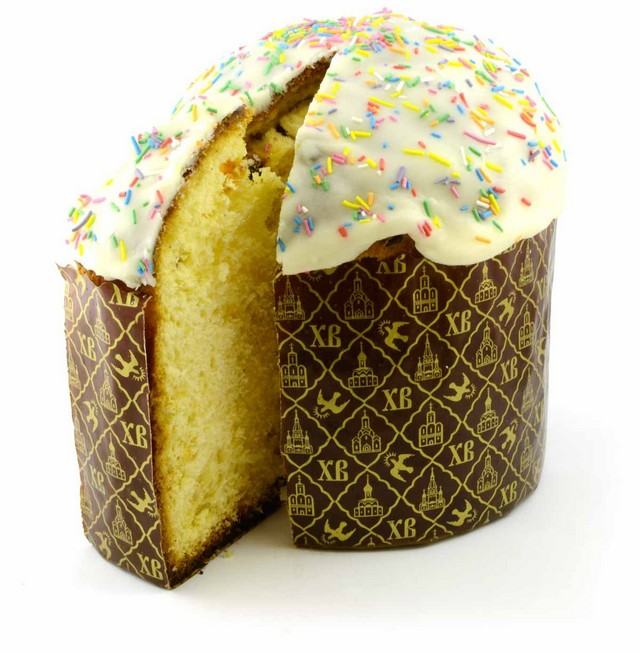
The Easter meal is one of the most pleasant parts of Easter. Moreover, it begins with consecrated products brought from the church — Easter cakes, colored eggs, etc. But it's better not to get carried away with alcoholic beverages – a few glasses of wine are enough to break the fast.
Easter cake (Easter cake) is the personification of Jesus Christ. This raisin and nut muffin does not go bad throughout the 40 days of Easter, provided that the cake is properly cooked.
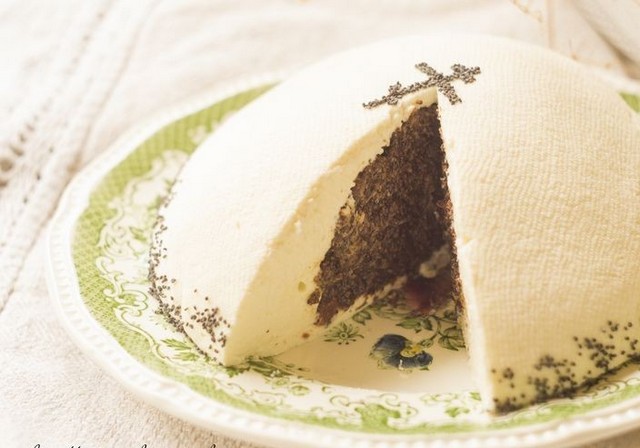
Sweet cottage cheese is the prototype of the Kingdom of Heaven, a symbol of endless joy, the bliss of saints, as well as the sweetness of heavenly life. The mountain-shaped baking form is the foundation of heavenly Jerusalem.
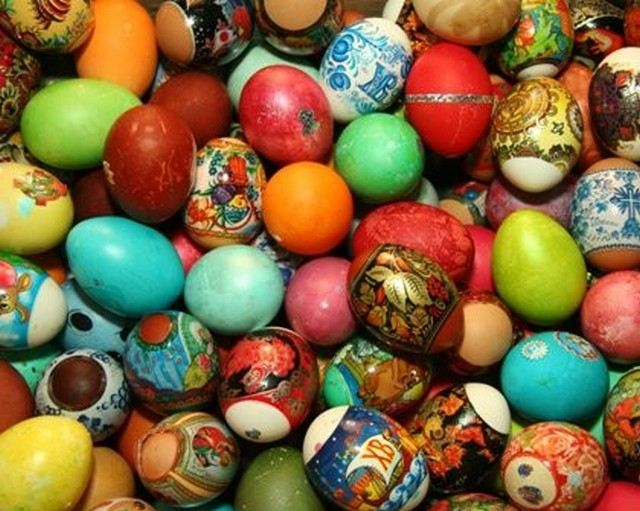
Colored eggs (colored eggs) are a symbol of rebirth and the birth of a new life.
It's important! If you have adhered to the Fast, do not eat fast meals greedily, but, on the contrary, eat them with joy and gratitude.
What foods can you eat during Lent?
In the first, fourth and seventh weeks, you can only eat dry food, unseasoned with sauce or butter. In addition, meals should be cold (food cannot be heated).
In the rest of the weeks, you are allowed to eat cooked vegetables, as well as other lean foods prepared in the same way.
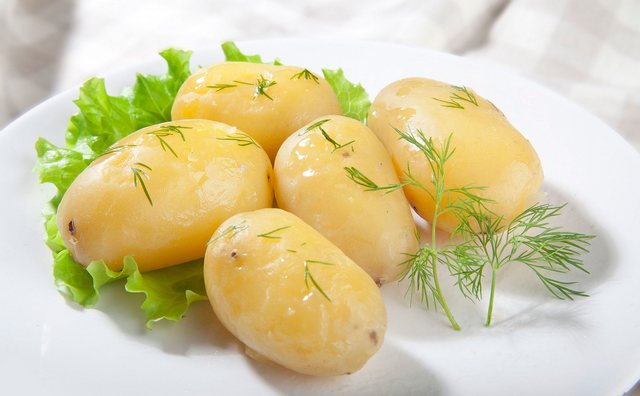
The first four days and the last week before Easter are considered to be the most stringent periods of Lent. On the first day of Lent and the last Friday before Easter, you should not eat at all (you are only allowed to drink water). On the first Friday of Lent, you can eat boiled wheat, slightly sweetened with honey or sugar.
Only dry food can be eaten on Good Friday.
On the Saturday before Easter, it is allowed to eat boiled foods.
Read also: How to color eggs for Easter
Products allowed in the Post:
Mushrooms that can be dried, boiled or pickled Berry
jam
Natural juices from vegetables and fruits
Greens
Porridge, cooked on water and without adding oil
Seafood: squid, crabs, shrimp, fish (the latter can be eaten on certain days)
Vegetables and fruits that can be boiled, baked, stewed, salt.

Meal schedule for Lent:
Monday, Wednesday and Friday: bread, water, as well as vegetables, fruits and compotes
Tuesday and Thursday: hot meals but no added oil
Saturday and Sunday: fish, and also food seasoned with vegetable oil.
Important rules of the Post:
Meals should be eaten in accordance with the strict regime.
Water can be drunk in unlimited quantities, which will help avoid dehydration.
Useful tips:
When cooking, it is better to throw vegetables into boiling water, which will help preserve the greatest amount of nutrients in them.
To diversify the menu, nuts can be added to cereals, carrots, dried fruits, mushrooms
Meat products, milk and eggs can be replaced by products containing vegetable protein, namely eggplants, peanuts, lentils, soy.
Eggs for Easter
Colored eggs are a traditional product of the festive Easter table. Eggs are the first to be eaten at the Easter meal, and they are distributed to relatives, neighbors, and the poor. Eggs are painted on Maundy Thursday.
There are several legends that explain the tradition of coloring eggs for Easter.
According to one of them, it was the egg that was presented to the Roman emperor Tiberius by Mary Magdalene, who told the governor about the Resurrection of Jesus. The story was accompanied by a miracle: for example, before Tiberius's eyes, the egg turned red, thereby personifying the blood shed on the cross by the Savior.
According to another version, the Virgin Mary specially painted eggs to entertain her little son.
Another legend says that one of the seven old Jews who gathered for a meal once predicted that Jesus would rise in three days. But the owner of the house did not believe the Jew and said that such a miracle would happen if the fried chicken ran while the eggs turned red. At the same time, the chicken came to life and the eggs turned red.
What you can't eat on Easter
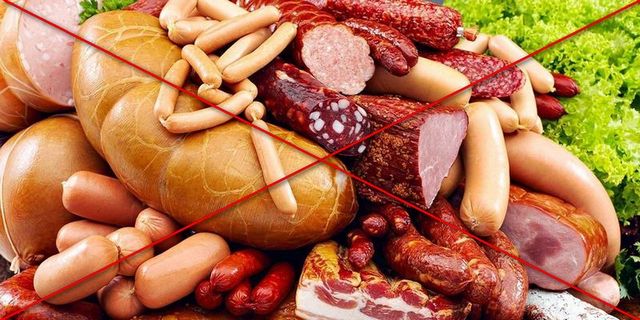
Products that should be discarded during Lent:
Meat and any meat products
Baking and sweets
Fish and any fish products (except for non-strict days on which you can deviate from the strict rules of Lent)
Poultry
Butter
Eggs Fast food
products
Milk and dairy products
Alcoholic beverages.
In addition, you should limit the use of spices, salt, sugar and fried foods during Fasting as much as possible.
It is important not to overeat during Lent, remembering that the main task at this time is to cleanse yourself spiritually.
What not to do during Lent

Restrictions during Lent affect not only the grocery basket, but also the lifestyle in general. But such changes are designed to make a person a better person, help him find himself and find peace of mind.
The Post prohibits:
Use inappropriate language It's
bad to think about others
Slander Wish people harm and treat them with hatred and aggression
Visit gambling and entertainment venues
Take stimulants
Smoking
Read literature that arouses impure thoughts and desires
To be lazy in work on weekdays and work on Sundays.
Easter is an opportunity to gain Immortality through good deeds and pure thoughts.