
 Ecology
Do you hate spiders? You're not alone: these long-legged animals aren't particularly popular and they're the most feared. However, these creeping creatures play a fairly important role in natural life, although they may seem very strange and intriguing. Among the most amazing spiders, there are those that can change colors, walk on water, have a unique pattern and even miraculously revive after extinction.
1) Spider crab
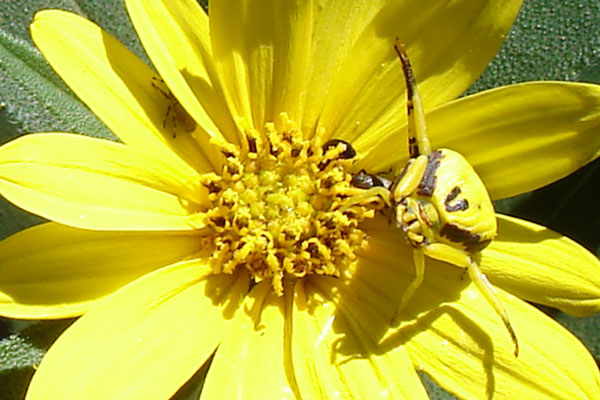
Unique crab spiders got their name due to the fact that, like crabs, they can move sideways, and not just back and forth. They are also known for their ability to change color, which helps them blend in with the color of their environment: pink, yellow or white. Recent studies have shown that spiders that change color are not necessarily more skilled hunters than those that are more visible and unable to change color.
2) Peacock spider
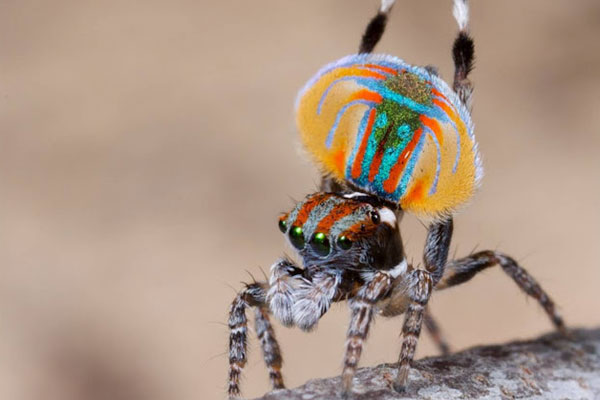
To see all the bright colors of the tiny jumping peacock spider, you need to stock up on a magnifying glass: these creatures are only 5 millimeters long. At the back, males have what looks like a colorful tail, which they spread like a peacock to attract females. Hence the name.
3) Bagheer Kipling's spider
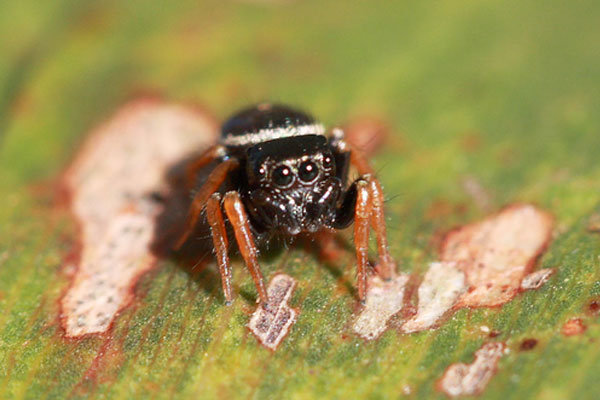
Most members of the spider world are predators, but Bagheer Kipling's spider should stay away from such relatives because he himself is a vegetarian. These spiders are no bigger than a fingernail. They must hide from ants that live on the same acacia trees. Bagheera Kipling is the first known spider to survive on a plant-based diet, although these spiders can also resort to cannibalism if necessary.
4) Sand spider
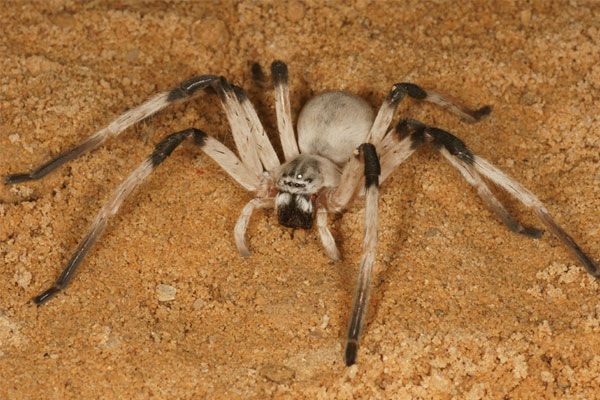
Arachnophobes may claim that there are already plenty of fearsome spiders on Earth, but scientists are discovering more species, such as the recently discovered giant sand spider Cerbalus aravensis. This eight-footed creature could be the hero of a new horror movie.
Researchers found this spider in the sands of Samar, one of the deserts of Israel. The insect has a diameter of about 13 centimeters along with its legs, making it the largest spider in the Middle East. Since the desert is home to important mines, a new species of spider is in danger of extinction due to future environmental damage. So far, scientists can't say exactly how many spiders of this species there are.
5) Clubiona rosserae spider
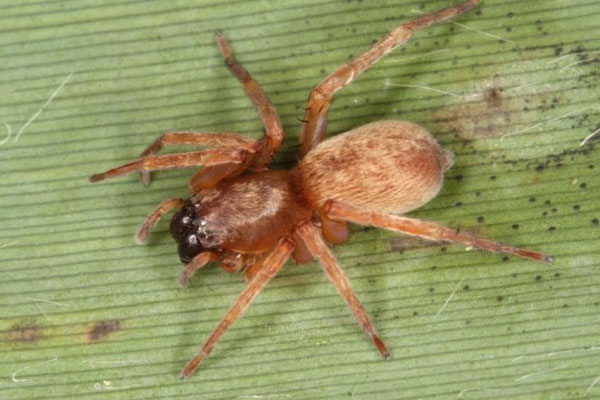
This araneomorphic spider has an amazing experience of resurrection: it was believed that this species died out in the humid lands of England about 10 years ago, but was rediscovered in September 2010. After the spider was identified by spider lover Ian Dawson, he found 10 more individuals in the same area, giving scientists hope that the population would be restored. Unfortunately, the wetlands on the islands continue to disappear, so the fate of the spider is still in danger.
6) Spider Hunter Striped
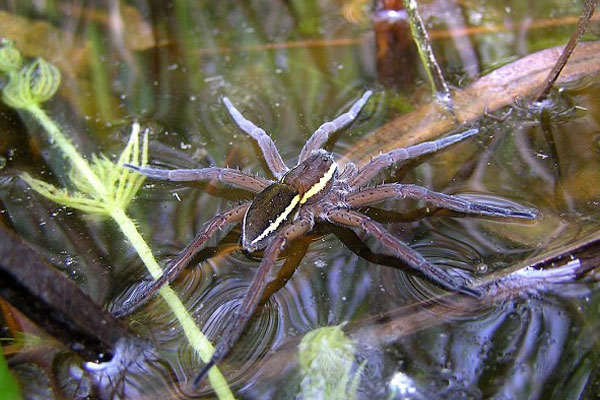
Like dolomedis spiders, the striped hunter has adapted to life near water bodies. These arthropods are in danger of extinction in one of the parts of the UK where they live. They hunt by sending vibrations in the water using their front legs, and then begin to chase small insects, dragonflies and other aquatic spiders. Although these spiders live for 2 years and females lay hundreds of eggs at a time, environmental damage and habitat loss put these spiders at risk of extinction.
7) Goliath Tarantula Spider
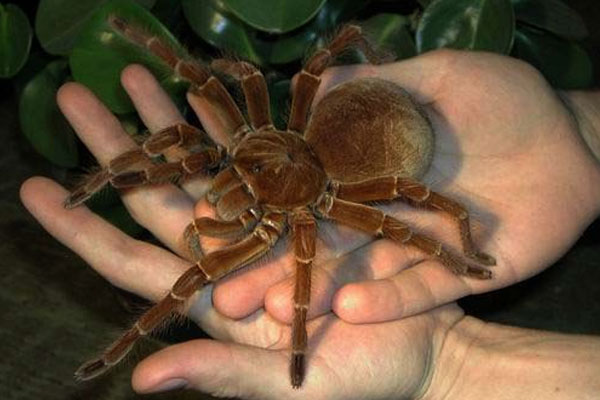
This spider, which has a limb span of up to 30 centimeters, is considered the world's largest spider. Goliath belongs to the tarantula family and hunts with “cunning and strength”. This large arthropod has tiny, irritating hairs that scare off enemies. This type of spider is one of the few that makes sounds: in this case, the sound is made when a spider rubs hairy legs against each other.
8) Dolomedis spider
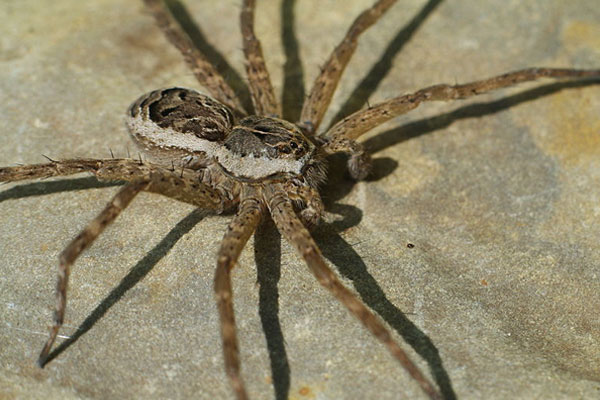
These spiders, which hunt near water bodies, are in the same family as striped hunters. They are often also referred to as “fish spiders”. These spiders can feed on fish of their size, but their diet is still based on small insects. Spiders are quite shy that they are difficult to catch and bite, but a sting can be no more troublesome than a wasp sting.
9) Kauai Cave Wolf Spider
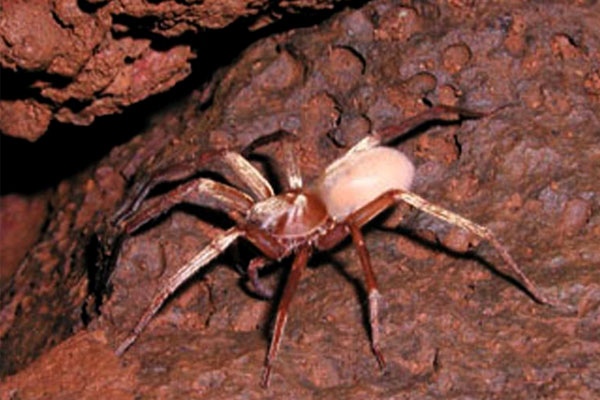
This endangered wolf spider lives in the caves of one of the Hawaiian Islands, where it is born, lives, feeds, reproduces and dies. These spiders are so used to living in the pitch dark of caves that they no longer have eyes and find food through other senses. Spiders are found only in the island's caves, so they can disappear due to environmental damage.