
 Health
“Let food be your medicine and medicine your food” Hippocrates.
Herbal science knows herbs and products that help purify blood naturally and are naturally antibiotics. The word antibiotic literally means “harmful to life” and refers to a number of pharmacological antimicrobial substances that are aimed at destroying pathogens in the body. The problem is that synthetic antibiotics destroy not only harmful bacteria, but also beneficial bacteria that make up the body's microflora and support the immune system.
If you eat foods and herbs with natural antibiotics, you will be able to support the immune system while fighting against certain bacterial infections, including spirochete Lyme or candida fungi. There are many foods and herbs that have antibiotic properties that can be consumed daily to protect against pathogens.
Of course, this does not mean that you should stop using synthetic antibiotics in certain cases when your doctor strongly recommends using them. However, by knowing how to use certain foods as natural medicines, you can reduce the use of synthetic antibiotics to a minimum, as you will become less sick.
Onions and garlic
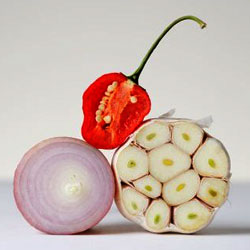 Close relatives, these plants have antibiotic properties. Onions and garlic are used to treat many simple diseases and serious illnesses, inflammatory processes as food and in other forms. Sulfur, a component of onions and garlic, plays an important antibiotic role in this case. Scientists have experimented with mice that were given garlic to fight antibiotic-resistant staphylococcus. As a result, it turned out that garlic protected rodents from the pathogen, and also significantly helped reduce inflammation. These products are used to combat the residual effects of colds and flu, and garlic's antifungal properties can also prevent the spread of fungal infections and viral diseases. The high content of herbal supplements in onions helps to destroy free radicals that can cause the development of cancerous tumors.
Med
 Honey was used as an antibacterial agent long before the advent of synthetic antibiotics around the world to treat wounds and various diseases. Honey contains special enzymes that are antibacterial in nature and produce hydrogen peroxide, so honey does not allow certain bacteria to reproduce. In Chinese medicine, honey is believed to harmonize liver function, neutralize toxins, and reduce pain. The antibacterial properties of honey effectively cope with Helicobacter pylori, a gastric and intestinal pathogen, and prevent the appearance of stomach ulcers.
Cabbage
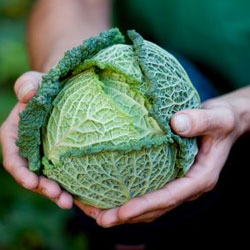 A member of the cruciferous family, common cabbage, as well as its other species — broccoli, kale, cauliflower and Brussels cabbage — are known to have unique properties. Thanks to the sulfur that is present in these vegetables, cabbage helps prevent cancer. These vegetables are also rich in vitamin C, which is considered a natural antibiotic, and a glass of chopped cabbage will provide your body with 75 percent of the daily intake of this vitamin. Cabbage juice is recommended for the treatment of stomach ulcers. To do this, it is advised to drink half a glass of juice 2-3 times a day between meals for 2 weeks. You can also add half a teaspoon of honey to the juice. Cabbage leaves can be used to treat mastitis and breast tenderness in women by making compresses and applying them to the breast.
Fermented foods
 Today, more and more doctors recommend taking probiotics along with antibiotics to restore intestinal microflora, which is destroyed due to medication. Fermented vegetables are rich in microorganisms and have many benefits. Eating sauerkraut, pickles, kimchi (sauerkraut) is a great way to add beneficial bacteria to your body.
Herbs
There are a large number of herbs that have antibiotic properties. The herbs we'll mention are used in cooking, so you can add them as spices to your meals:
Sweet pepper
Thyme
Mint
Basil
Cinnamon
Chervil
Rosemary
Lemon balm
Oregano
Wormwood
Carnation
Bay leaf
Chili pepper
Marjoram
Cumin
Coriander
Dill
Nutmeg
Cardamom
Red pepper
Ginger
Anise
Fennel
Mustard
Parsley