
 Incredible facts
We tend to believe that archaeologists are “dusty” experts who study people and their culture using artifacts and human remains.
But sometimes they look more like ancient storytellers who, using found antiquities, tell interesting stories that magically take us to distant times and places.
The stories below will take us to the ancient worlds of long-forgotten children. Some stories are soul-touching, others are just mysterious, and some are awful.
Interesting archaeological finds
10. The revival of Orience
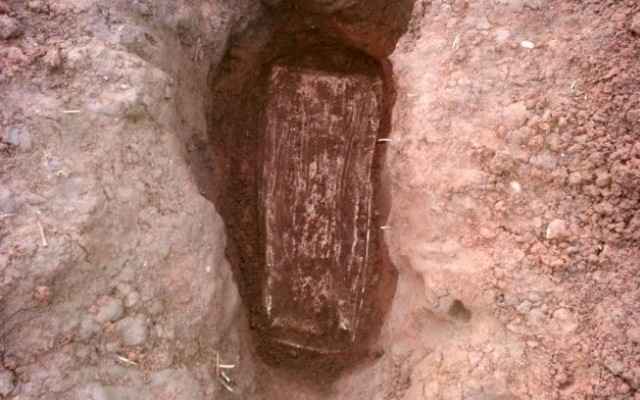
In October 2013, a treasure hunter found a meter-long coffin of a Roman child in a field in Leicestershire, England. In order not to talk about the child in the third person, the scientific community decided to call him “Orience”, which means to “rise” (like the Sun).
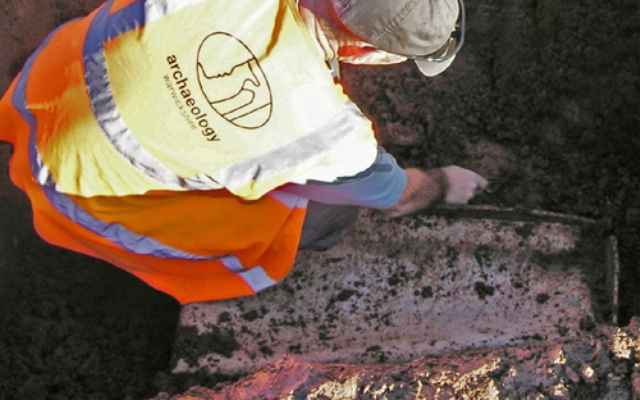
It is believed that Oriens was buried in the 3rd-4th centuries. It is not known for certain how old the child was, but the bracelets on the hands suggest that it was a girl.
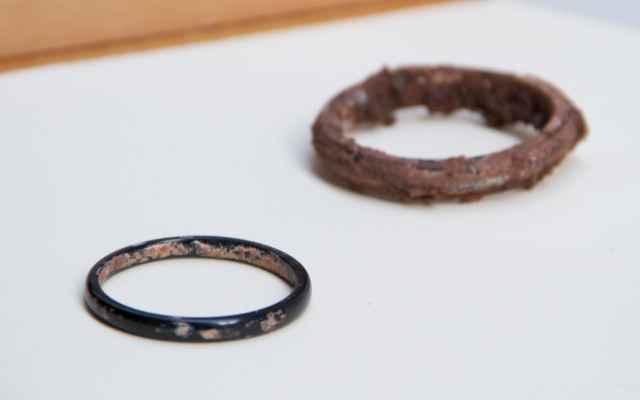
Girl's hand bracelets
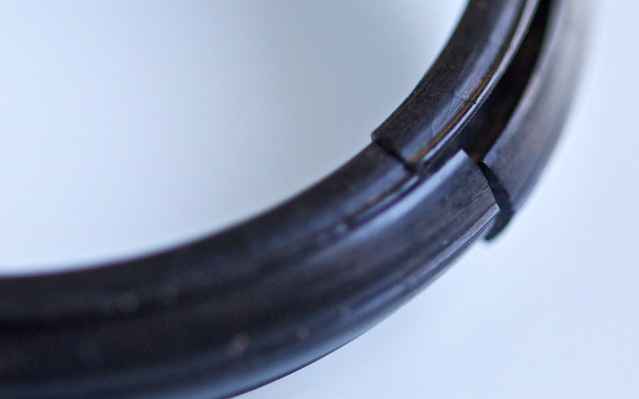
Bracelet fastening
Orience must have lived with a wealthy family or her relatives had a high social status because she was found in a lead coffin, which was rare at the time, especially when it comes to children's burials.
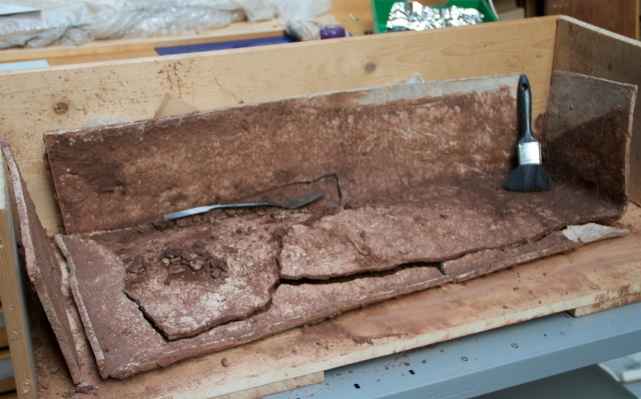
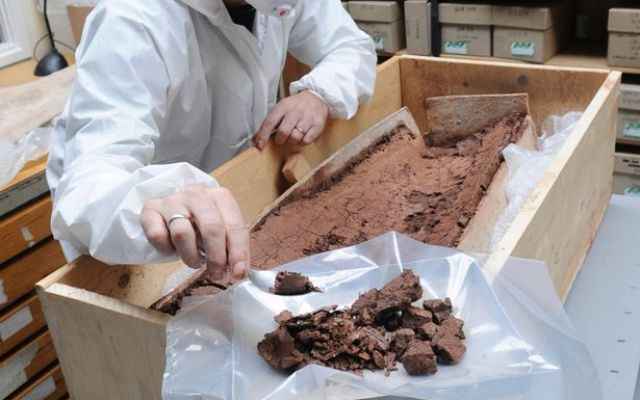
The coffin inside
At that time, most children were buried, dressed in a shroud (clothes for the deceased). Only a few bone fragments are left from the baby. However, archaeologists have been able to put together some details of her life, including information about the society in which she lived.
They learned a lot from analyzing some of the resins found in her coffin.
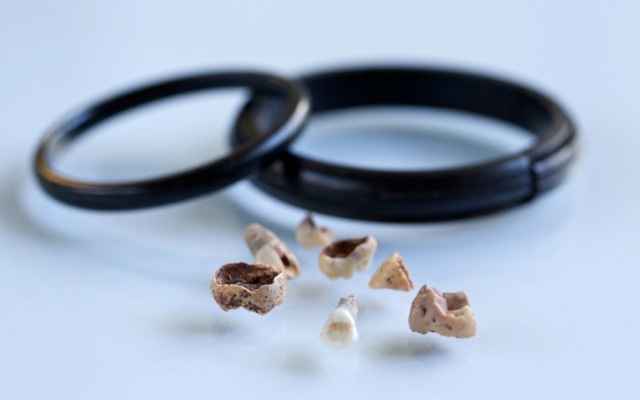
Orience's baby teeth
According to Stuart Palmer of the Archaeology Warwickshire team of archaeologists, the presence of frankincense, olive oil, and pistachio oil in the soil found in the coffin says that Orience can be attributed to the very small number of Roman burials of people with the highest status.
The girl was buried according to very expensive Mediterranean and Middle Eastern customs.
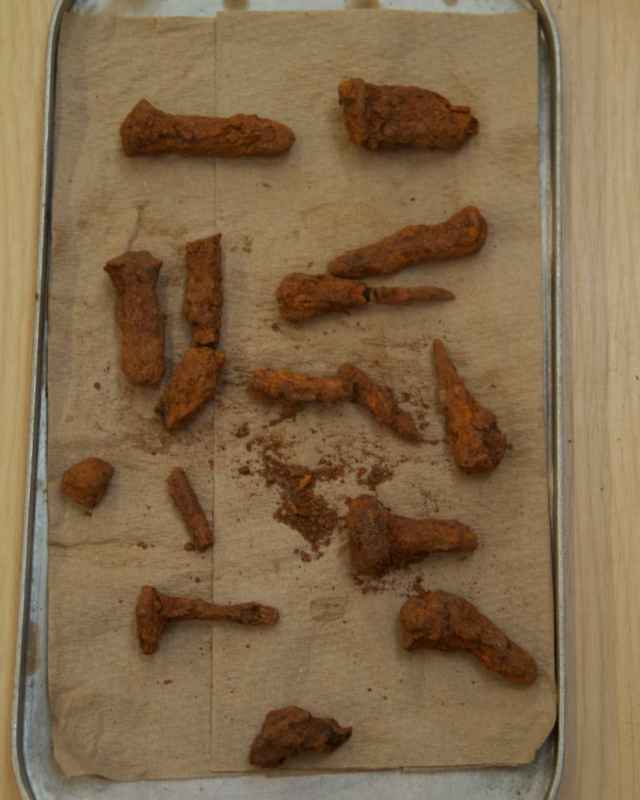
The “nails” that held the inner parts of the coffin
The resins masked the smell of the decaying body during afterlife rituals, which, according to the ancients, facilitated the transition to afterlife. From a social point of view, this suggests that Roman Britanians continued to follow continental burial rituals, so they had to import oils and resins from the Middle East.
9. The secrets of a child singer
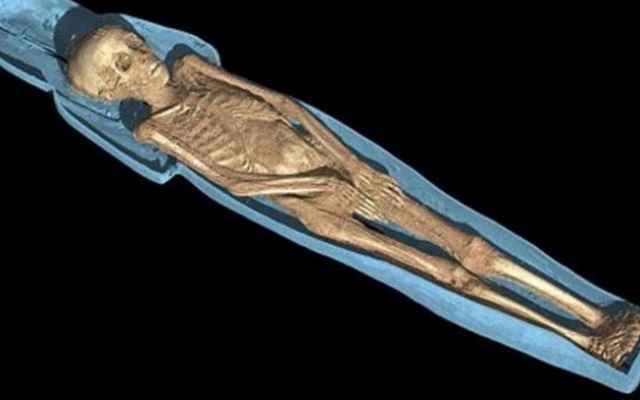
Almost 3,000 years ago, seven-year-old Tjayasetimu sang in a choir at the Pharaohs Temple of Ancient Egypt. Despite the fact that the girl took most of the secrets with her to her grave, the curators of the British Museum, where her mummy was exhibited in 2014, were able to find out some details about the child.
It is not known for certain where she lived and worked, because the British Museum bought the mummy from a dealer back in 1888. However, Tjayasetimu's body is incredibly well preserved. In the 1970s, as part of a restoration project, hieroglyphs and drawings were found under oil-blackened body bandages.
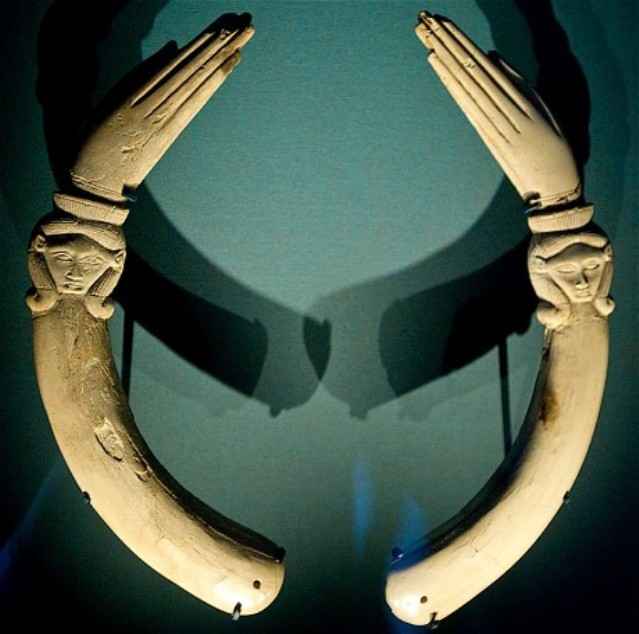
Tools that Tjayasetimu may have used
Thanks to the inscriptions it was possible to find out her name and position The name Tjayasetimu, which means 'the goddess Isis will defeat them', protects against evil spirits. Her work as a singer in the temple was considered very important to god Amun.
The reason for the girl to get this “position” is also unknown: her voice or family ties. We only know that she was an important person because her body mummified with a golden mask on her face.
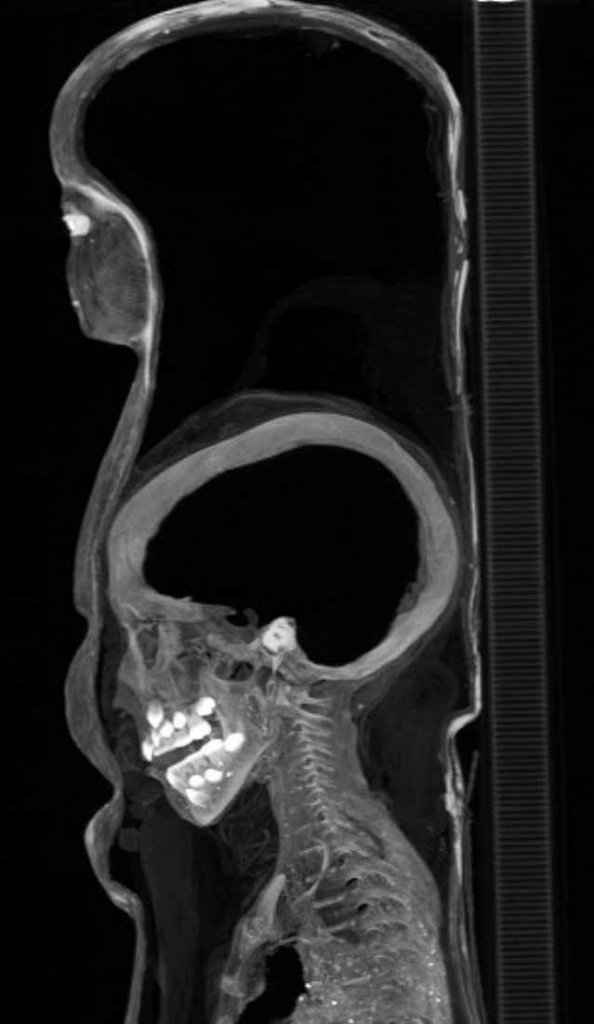
The scan showed the girl's baby teeth
In 2013, a CT scan showed that her body, including her face and hair, was still well preserved. Due to no signs of long-term illness or injuries, she is believed to have died from a short-lived illness such as cholera.
8. The mystery of “sewer” babies
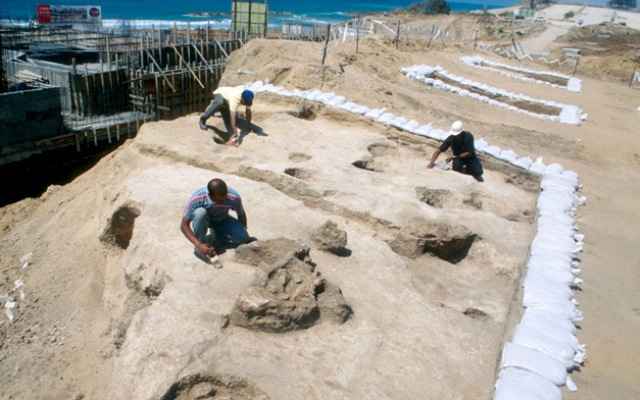
In the Roman Empire, infanticide was widely practiced to limit family size, because there were no reliable methods of birth control. This helped conserve scarce resources and improve the lives of other family members.
Children under 6 months of age were not treated as human beings in Roman society at all.
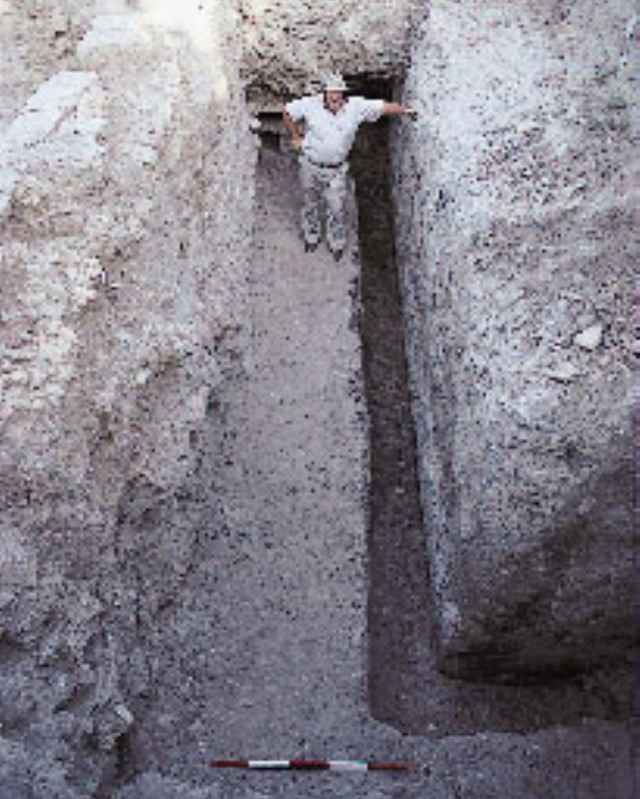
A burial was discovered in this well
However, even knowing this fact, researchers were still horrified when they made a terrible discovery in Ashkelon, on Israel's southern coast, in 1988. Archaeologists have discovered a mass grave of almost 100 children in an ancient sewer under Roman baths.
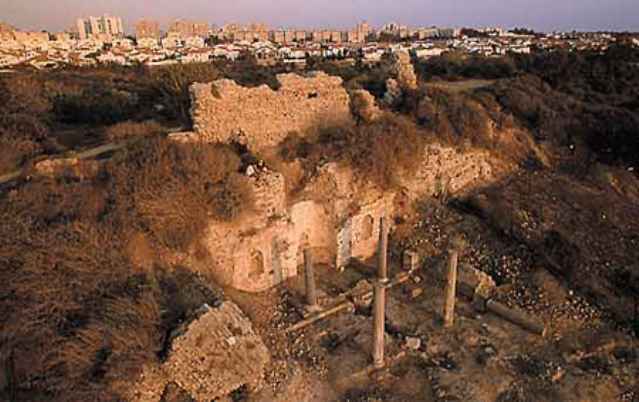
The ruins of a church in Ashkelon
Most of the bones found were intact, and scientists believe that the children were thrown into the sewers immediately after death. Given the overall age of the children and the absence of signs of illness, infanticide was almost certainly the cause of death.
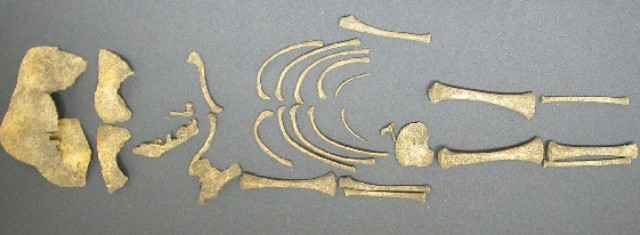
From these bones, experts determined that the dead were babies
Although the Romans favored male children more, researchers could not find evidence that they intentionally killed more female babies. They could not find confirmation of this when studying this finding either.
Some experts note that the sauna above the sewer also worked as a brothel. They assume that babies were undesirable children of women in the oldest profession who worked there.
Read also: Archaeological discoveries made in the most unexpected places
Some female babies may have been saved to become courtesans later. Despite the fact that both women and men were engaged in the oldest profession in the Roman Empire, the former were still more in demand.
Ancient archaeological excavations
7. An unusual child of metalworkers
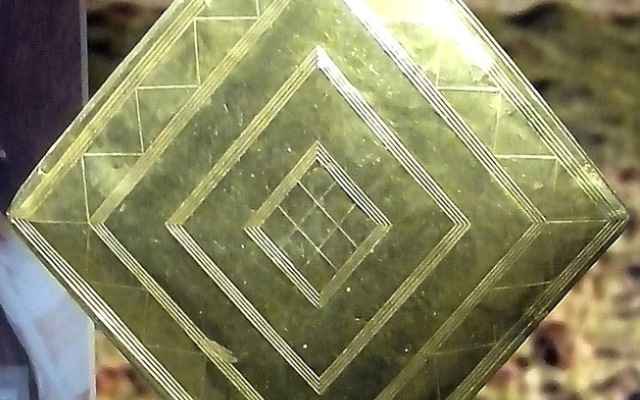
About 4,000 years ago, in prehistoric Britain, children were given the task of decorating jewelry and weapons with golden threads as thin as human hair. Some specimens contained more than 1,000 such threads on one square centimeter of wood.
Scientists discovered this after an ornate wooden dagger handle was found in the 1800s near the Bush Mound near Stonehenge.
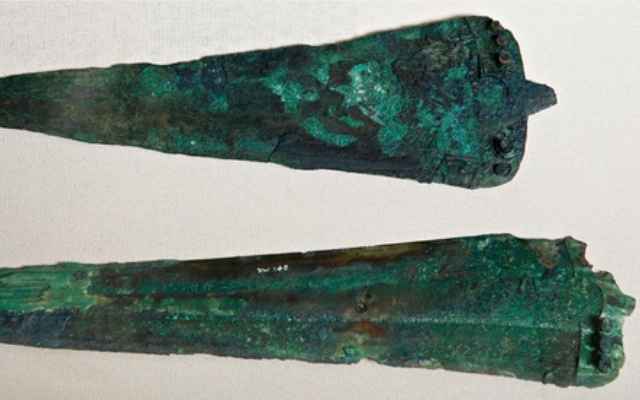
Daggers found in Bush at the same time. Salisbury Plain. They were found in the richest and most important Bronze Age grave ever found in Britain
The work is so jewelery that it is difficult for the naked eye to see all the details. After research, experts came to the conclusion that it is likely that teenagers and children under the age of 10 were the authors of such extreme skill on the handle of a dagger.
Without a magnifying glass, an ordinary adult would not be able to do this because his vision is not sharp enough. After the age of 21, a person's vision gradually begins to deteriorate.
Although the kids used simple tools, they had a special understanding of design and geometry. However, they paid a high price for beautiful manual work. Their eyesight quickly deteriorated, myopathy overtook them at the age of 15, and by the age of 20 they were partially blind.
This made them unfit for other jobs, so they had to rely on their communities.
6. Very good parents
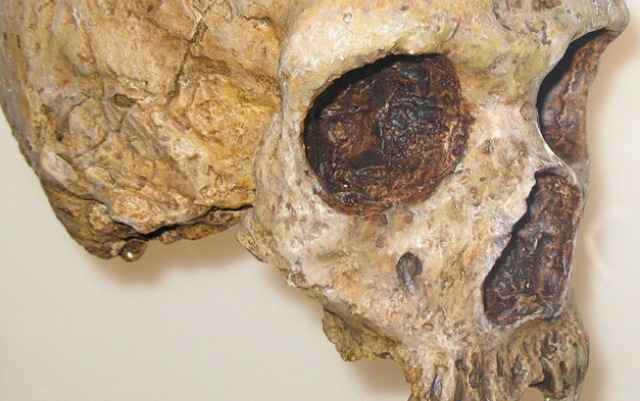
Believing that some scientists did not treat Neanderthals objectively, archaeologists at the University of York decided to rewrite the history of these prehistoric people. Until recently, Neanderthal children were believed to have lived dangerous, difficult, and short lives.
However, the team of the above archaeologists came to different conclusions after studying the social and cultural factors in the lives of the first people from findings from different times in various places across Europe.
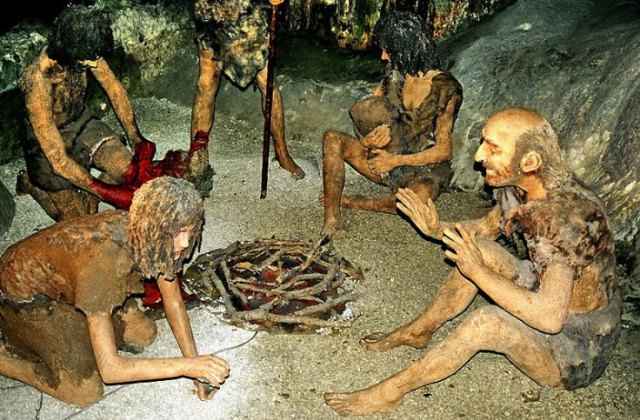
“Opinions about Neanderthals are changing,” says Penny Spikins, lead researcher. “Partly because they were pairing with us, which shows how similar we are. But the latest findings were no less important. There is a fundamental difference between a harsh childhood and a childhood spent in harsh conditions.”
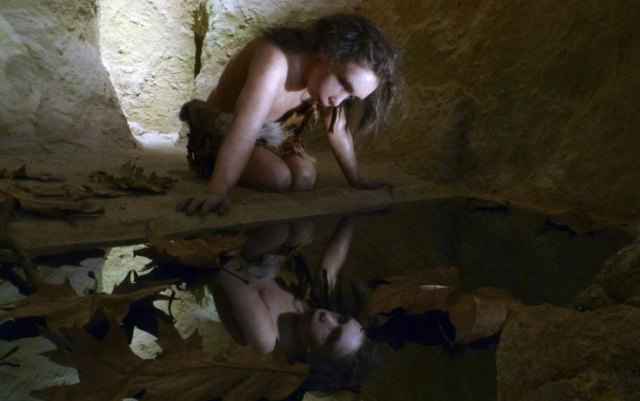
A Neanderthal child explores his reflection in water. Neanderthal Museum in Kropin, Croatia
Spikins believes that Neanderthal children were very much attached to their families, and families were united. He also notes that children were taught how to handle tools. In two places in two different countries, a team of archaeologists found stones that were well crafted against the background of others that were chipped.
They looked like kids were learning from adults how to make instruments.
Although there is no conclusive evidence for this claim, Spikins believes that prehistoric kids “played peekaboo” to imitate adults because humans and big monkeys played the same “game”.
When studying the burials of Neanderthal babies and children, Spikins came to the conclusion that parents buried their offspring with great care, as more often there were surviving ones to this day The remains of children, not adults.
The team of archaeologists also emphasizes that there is evidence that parents have been caring for their sick or traumatized children for several years.
The oldest findings of archaeologists
5. Battle Scouts of Ancient Egypt
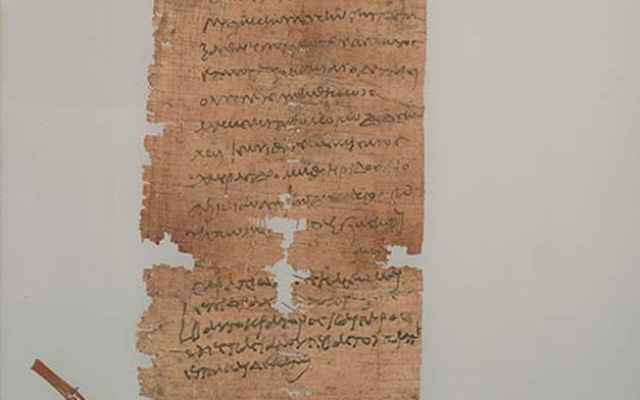
To learn about how children lived in the ancient Egyptian city of Oxirinh, historians examined about 7,500 documents from a supposedly sixth century. The city had a population of more than 25,000 people and was considered the Roman administrative center of its district, where Egypt's textile industry flourished.
More than a century ago, artifacts from the era of Oxirinha were discovered, after analyzing which historians came to the conclusion that a youth group of Boy Scouts, known as” gymnasium”, where young people were trained to become good citizens.
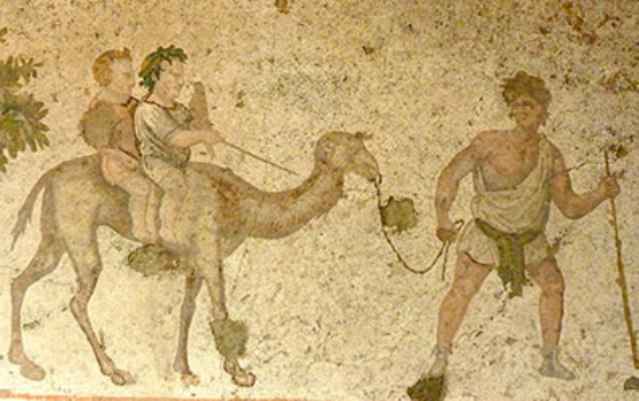
Boys on a camel. Late antiquity mosaic, early 6th century.
Great Palace Mosaic Museum in Istanbul, Turkey.
Boys born to free Egyptian, Greek and Roman families were accepted for training. Despite the “rich” demography, membership in the gymnasium was limited to 10-25 percent of the city's families.
For boys who applied to study at the gymnasium, this was a transition to adulthood. They became full adults when they were married in their early twenties. Girls who were married as teenagers prepared for their roles by working in parents' homes.
Read also: 10 archaeological discoveries that changed ideas about the past
Boys from free families who did not go to gymnasiums started working as children under contract for several years. Many contracts were for work in the weaving industry.
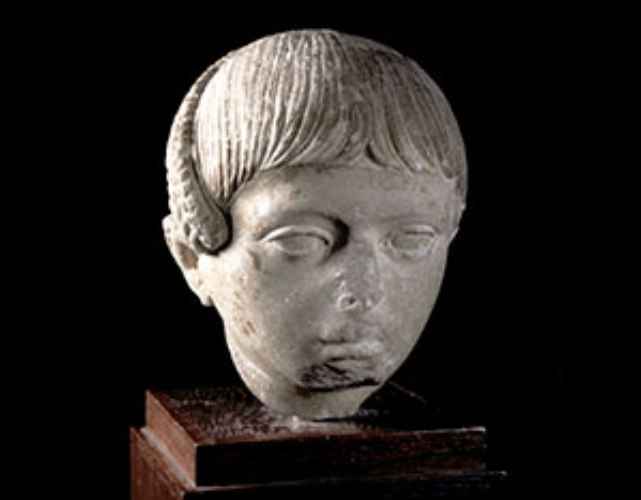
A Roman boy with an Egyptian-style hairstyle. The side strand of hair has been cut off and donated to the gods before the upcoming coming-of-age ceremony. First half of the second century AD. Museum of Cultural History, Oslo.
Historians have discovered one student contract with a girl. But as it turns out, her case was unique because she was an orphan and had to pay off her late father's debts.
The children of slaves could have the same work contracts as boys born to free families. But unlike the latter, who lived with their families, the children of slaves could be sold. In that case, they were living with their owners. The documents found showed that some of the child slaves were sold as early as two years of age.
4. The puzzle of the “elk” geoglyph
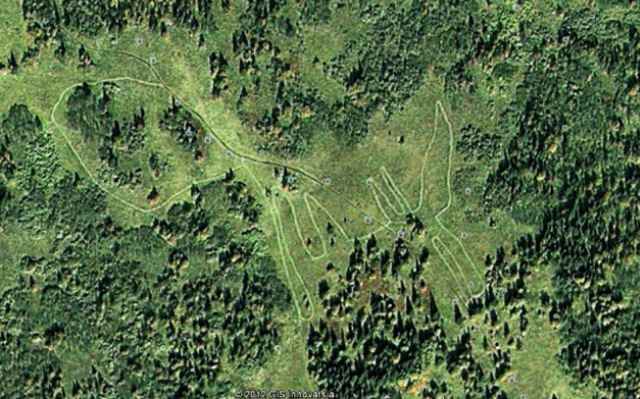
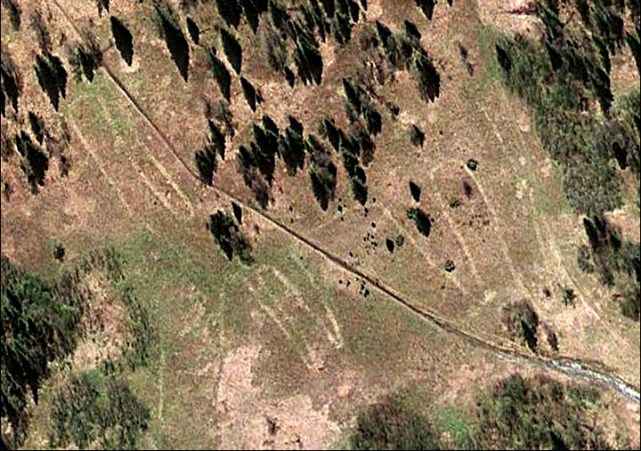
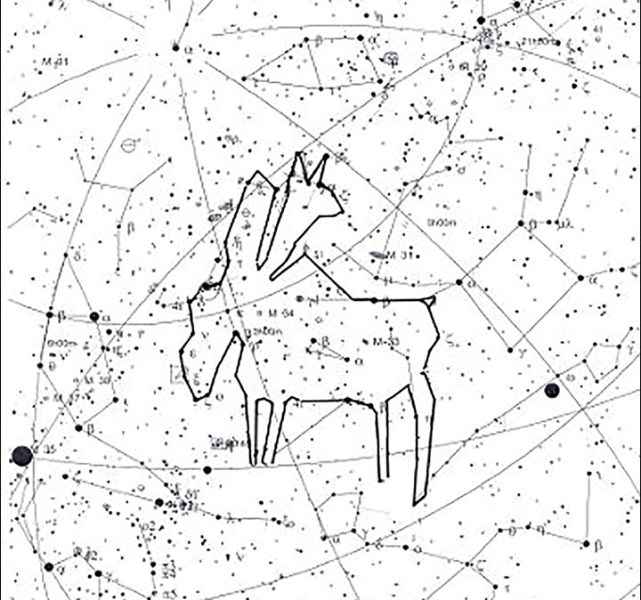
In this story, our discovery of the past is driven by a curiosity about what the future holds. Images taken from space in 2011 revealed the existence of a giant moose geoglyph (a geometric pattern on the ground) in the Ural Mountains, which is believed to be preceded the thousands of years known in Nazca geoglyphs found in Peru.
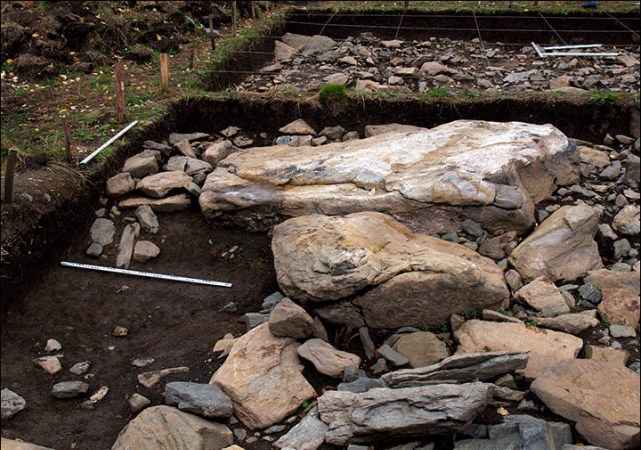
The type of masonry known as “stone chip” suggests that this structure could have been built around 3000 to 4000 BC.
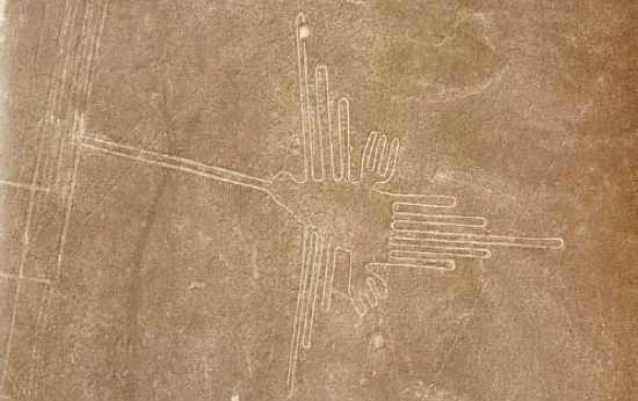
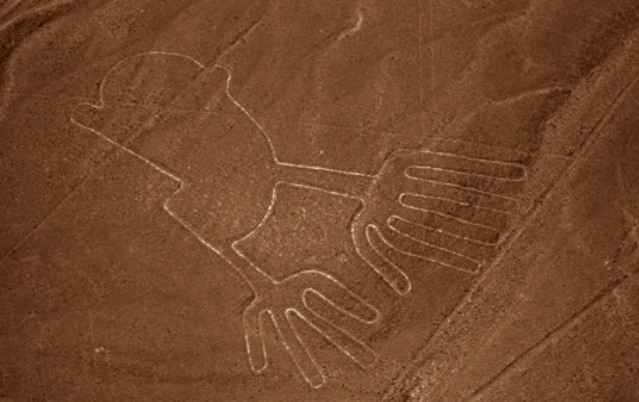
Nazca geoglyphs
The structure is about 275 meters long with two horns, four legs and a long snout facing north. In prehistoric times, the geoglyph could be seen from a nearby ridge. He looked like a shiny white figure against a background of green grass. Today this place is covered by soil.
Archaeologists were amazed at the clever design. “Moose hooves were made from small crushed stones and clay,” explains Stanislav Grigoryev, a specialist at the Russian Academy of Sciences. “The walls were very low, I believe, and the passages between them were very narrow. The situation was also the case in the muzzle area: rubble and clay, four small wide walls and three passages.”
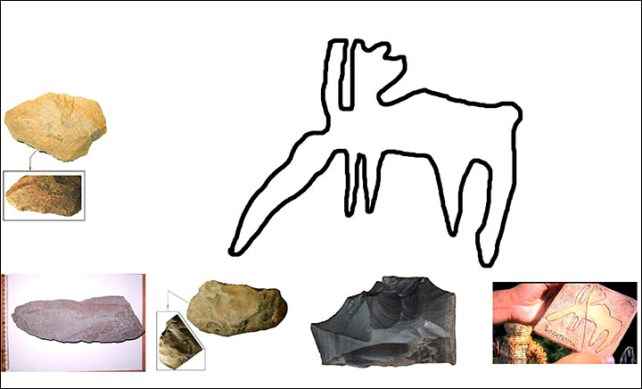
“Moose” geoglyph
The researchers also found evidence of two places where fires were lit only once. They believe that these places were used for important rituals.
However, many questions remain unanswered, especially as to who built this geoglyph and why. There is no archaeological evidence that culture at that time was so advanced that people could build such a structure in this region.
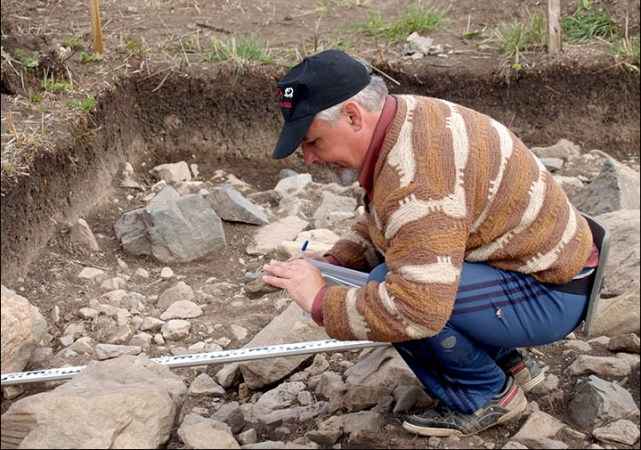
But experts believe that the most interesting discovery concerns children. They were able to find more than 150 instruments on site, 2-17 centimeters long. They believe that these tools belonged to children who worked side by side with adults as part of a community project.
In other words, it was not slave labor, but a joint effort to achieve an important goal.
Archaeology: findings
3. Cloud Kids
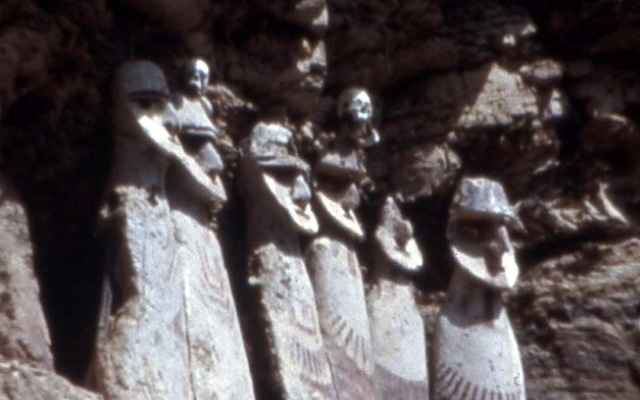
In July 2013, archaeologists discovered 35 sarcophagi, each no more than 70 centimeters long, in the highlands of the Amazonas region in Peru. Small coffins have led researchers to believe that they belong to the children of the mysterious Chachapoy culture, also known as “cloud warriors”, because they lived in the rainforests of the mountains.
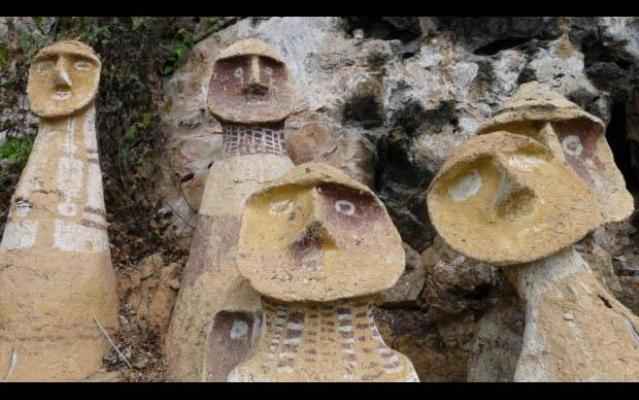
Between the 9th century and 1475, when their territories were conquered by the Incas, Chachapoya founded villages and farms on steep mountain slopes, raised pigs and llamas, and fought among themselves.
Their culture was eventually destroyed by diseases like smallpox brought with them by European researchers.
Very little is known about Chachapoy and their children because they have not left any written language behind. However, according to Spanish documents from the 1500s, they were fierce warriors.
Pedro Cieza de Leon, who chronicled Peruvian history, described their appearance as follows: “They are the whitest and most beautiful people I've ever seen in India, and their wives are so much It is beautiful that because of their softness, many of them deserve to be Inca wives and live in the temple of the Sun.”
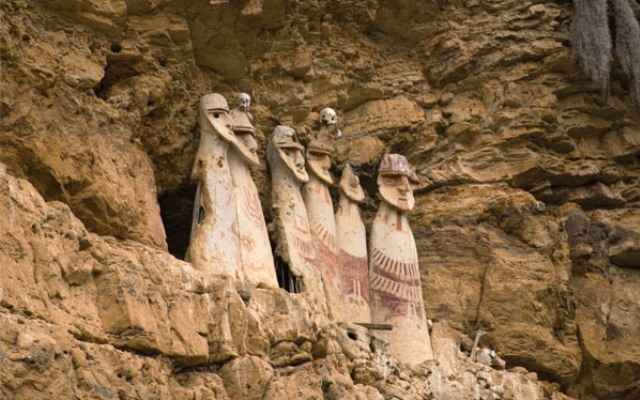
But these cloud warriors still left something behind: mummified bodies in unusual and strange sarcophagi that were found on high ledges overlooking the valley. The clay coffins were placed vertically and were very similar in design to people: tunics, jewelry and even trophy skulls.
But no one knows why children were buried in their own cemetery separately from adults. It is also unclear why all the small sarcophagi “looked” to the west, while the adult coffins were placed differently.
Mysterious archaeological finds
2. Gifts to the gods of the lakes
Ancient Bronze Age villages spread across the Alpine lakes of Germany and Switzerland. When some of the villages were discovered during excavations in the 1970s and 1980s, archaeologists couldn't get enough of finding more than 160 houses between 2,600 and 3,800 years old.
These were houses along the coastal strip of the lake that were flooded. To protect themselves from rising water levels, residents often moved to less dangerous areas closer to land. When conditions improved, they came back again.
See also: Archaeologists have discovered the first “matches”
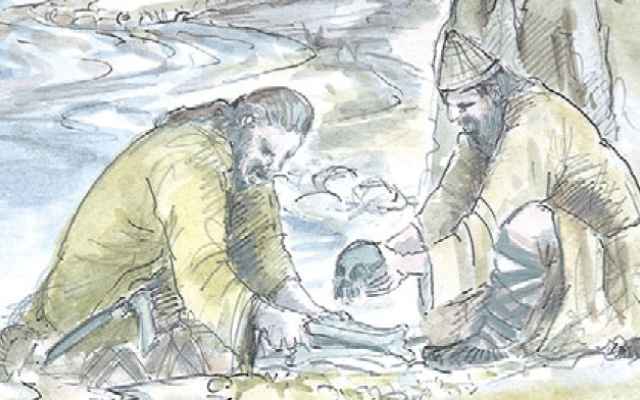
However, people later adapted the lake shores to flooding threats. First, they began to build their houses on stilts or on solid wooden foundations. Secondly, they began to surround their homes with wooden fences. Third, they surrounded their villages with fences with children's skulls and skeletons on top.
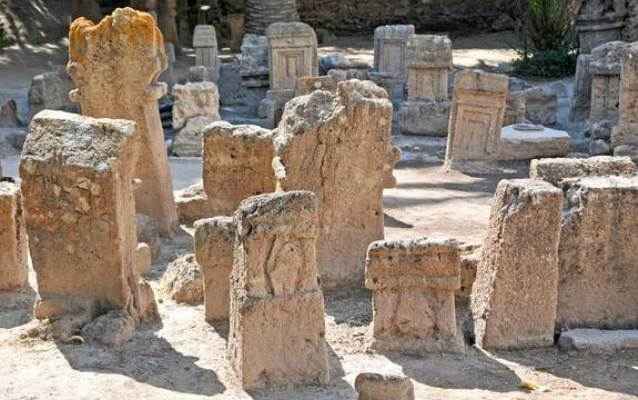
Cemetery
According to archaeologists, these skulls may have been gifts for the gods of the lake to prevent floods. Analysis of some skulls showed head injuries from sticks or axles. But researchers don't think children were sacrificed while alive.
They note that children died earlier, probably in war, and then their bodies were offered to the gods. Children under 10 years of age were buried in one of the places most susceptible to flooding.
But experts were unable to find the graves of other residents of this coastal region, so they did not know what the burial of an ordinary resident of this area looked like.
1. A baby frozen in eternity
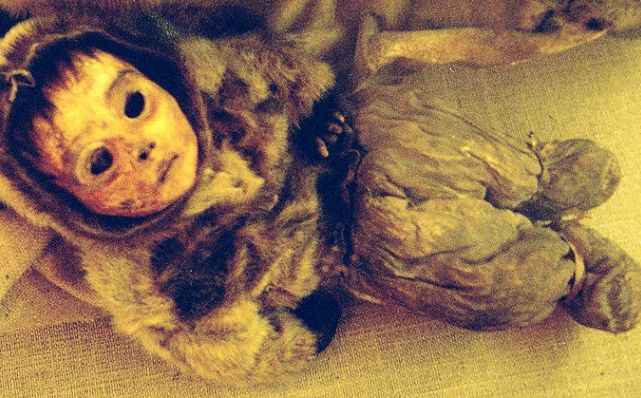
For more than 40 years, two brothers have been hunting in Greenland and discovered strange burials of 500-year-old mummies that are perfectly preserved thanks to the environment.
They were owned by residents of the old Inuit settlement of Qilakitsoq. The two graves found contained the remains of six women and two young children. They were all dressed like they were going hunting.
The Inuit believed that people needed to be ready to go hunting at any time, even after death.
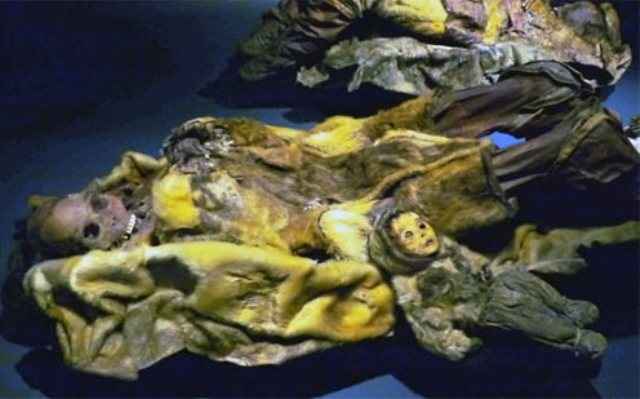
These mummies have opened the veil of secrecy over many questions about people's lives, but no fewer questions have remained unsolved. Archaeologists have established family ties between some mummies, but they were not buried according to “family traditions”. This turned out to be the first mystery.
They were also not buried with men, which is another mystery because it was against Inuit law.
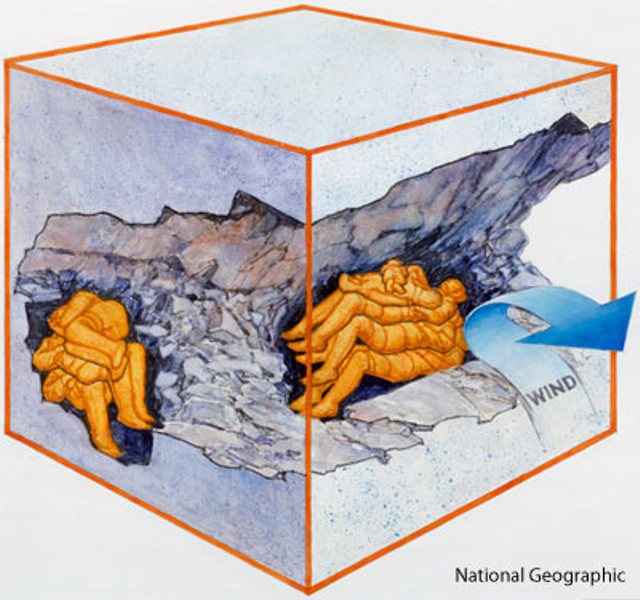
This is what the two graves found looked like
All but one of the women had tattoos on their bodies. It was considered very trendy back then. They ate well before they died, since seafood was always close by. An analysis of their bodies showed that women were dealing with animal skin.
The cause of death was the illness of an older child and two women. However, it is unclear how others died and whether they died in the same period.
However, the story of a younger kid is horrifying. Apparently, he was buried alive because his face was turned upside down, as if waiting for a mother who would never come to see him again.
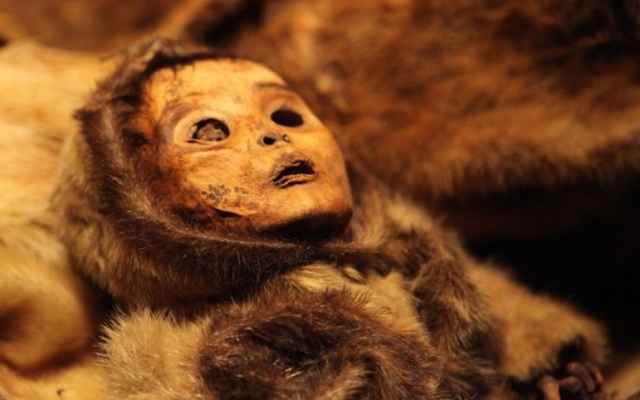
According to the custom of intuition, they buried a child alive or strangled him if another woman, if his mother died, could not take care of him. After burying the baby with his mother, it was assumed that they would continue their lives together in the afterlife.