
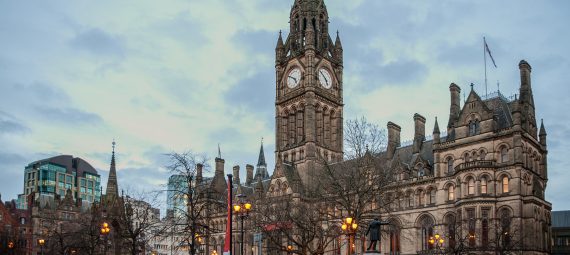
Manchester Cathedral
Manchester Cathedral, originally consecrated in honor of St. Mary, St. Dani and St. George, was built in the style of perpendicular Gothic in the late 15th — early 16th century. Of course, the church was rebuilt many times; in particular, in the 20th century it was severely damaged by bombing.
Manchester Stadium
Old Trafford is the largest stadium in England after Wimbledon, with a capacity of 76 thousand spectators. The home stadium of the legendary Manchester United football team. Built in 1910, it was almost destroyed by German aircraft in March 1941.
Manchester Art Gallery
The history of the Manchester Art Gallery began in 1823, and today the museum occupies three connected buildings, two of which were built by Sir Charles Barry, perhaps the most famous architect in Britain, who built the Palace of Westminster in London.
John Rylands Library
The Rylands Library occupies a late Victorian, neo-Gothic building on Deansgate Street in Manchester. The library itself was founded by Henrietta Rylands in memory of her husband and opened in 1900. In 1972, the library merged with the University of Manchester Library.
National Football Museum
The British, the founders of football, have done everything to have the best museum dedicated to Game No. 1. It is open in Manchester, a city that lives in sports 24/7, and not only on match days of local giants City and United.