
 Ecology
Sharks suffer from color blindness, scientists concluded. These famous toothy predators from the underwater world see everything around them in black and white. For the first time, a new study has explored the genetic basis and spectrum tuning of shark visual systems.
The consequences of this discovery could be serious, as it could help keep both sharks and humans healthy. This work can also affect the interaction between humans and sharks, says one of the authors of the research, Professor Nathan Hart of the University of Western Australia.
First, the new discovery could allow us to develop new fishing gear aimed at specific fish species, which would reduce unwanted shark by-catch. Second, it will be possible to create equipment that will be less attractive to sharks (such as special suits and surfboards), which will help reduce the number of meetings between sharks and humans.
Hart and colleagues have identified and sequenced genes that encode photochromic material in sharks associated with vision. This material is photosensitive molecules. Through biochemical processes, these molecules send information about light to the rest of the visual system.
Photochromic material can be found in cells called sticks and cones. Sticks are more sensitive and are usually used in very low light conditions. Cones are smaller and less sensitive cells, but they react more quickly and are used in bright light.
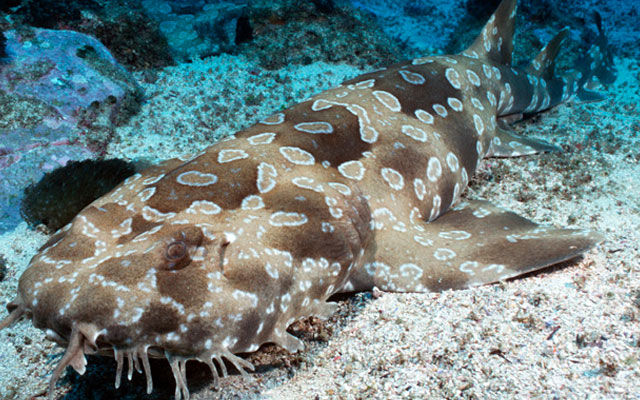
After studying two types of carpet sharks, scientists found that these sharks only have one gene in cones and one gene in sticks, which suggests that they are color blind. These studies confirmed the assumptions of scientists who previously suspected color blindness in other shark species.
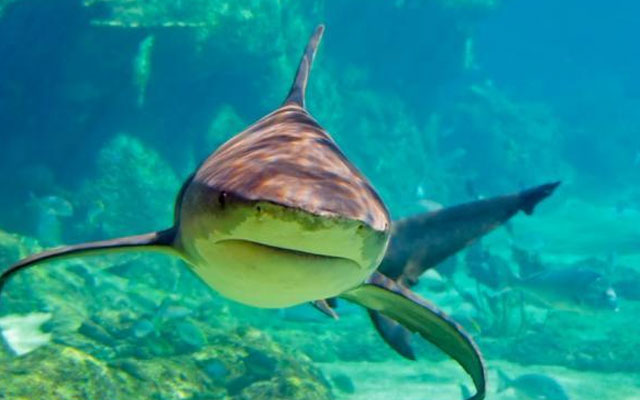
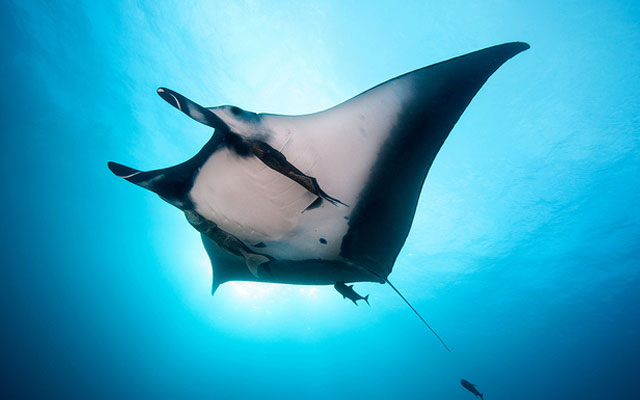
Sharks are part of the cartilaginous fish group, which also includes rays and chimeras. Previous studies have shown that rays have no color vision at all, but they have more than one photochromic substance, so they are able to distinguish colors. Tests by Hart and colleagues have shown that stingrays actually have functional color vision.
Sharks are probably not the only large ocean dwellers that are color blind. Research shows that some marine mammals, such as whales, dolphins, and seals, are unable to distinguish colors. “They probably don't want to see colors,” Hart says. “However, it's possible that the ancestors of modern sharks could distinguish colors.”
Genetic studies also suggest that the ancestors of humans and other terrestrial animals lost a certain sensitivity to color during evolution.
Not long ago, researchers at the University of Louisiana Museum of Natural Sciences studied two groups of blind cavefish that had no eyes at all. Scientists have found that these fish, which live off the coast of Madagascar and Australia, are related. Living in dark caves eliminates the need for vision at all, so fish used very different senses to survive.
It's the same for sharks, they don't need to distinguish colors to survive. They just need to see the difference in color contrast, it's the same if we watch black and white TV.