
 Incredible facts
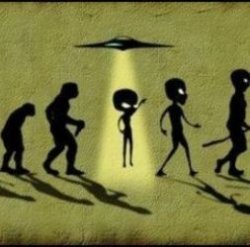
Is human evolution over? This is the question that Briana Pobiner, an anthropologist at the Smithsonian Institution's American National Museum of Natural History, puzzled.
At a two-day conference dedicated to the future of people, the planet, and life beyond Earth and deep space, she emphasized that along with human development, medical advances Parasites also continue to develop.
“It is worth looking into the eyes of our ancient relatives. Why did most human ancestors die out and Homo Sapiens survive? The answer lies in the human brain,” says the anthropologist.
Some features of human evolution
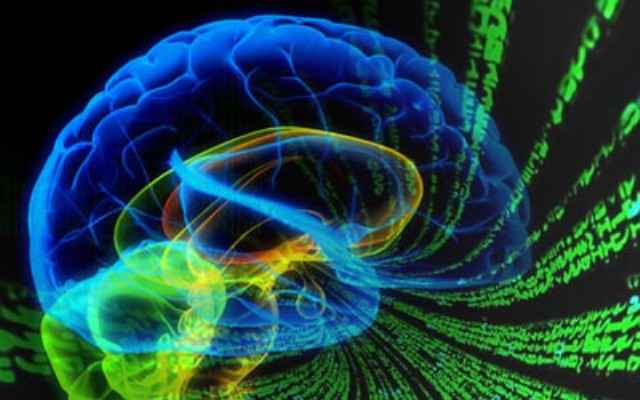
The human brain weighs only 2 percent of our total body weight, but it consumes more than 20 percent of all energy. The most significant evolutionary changes occurred in the outer part of the brain, known as the neocortex, which is responsible for abstract thinking, long-term planning, empathy, and speech.
Is it true that as the human brain develops, people will end up with giant heads and thin bodies, as shown in science fiction films?
Historically, childbirth has limited brain size because babies have to go through the birth canal. However, today the cesarean section procedure bypasses this process.
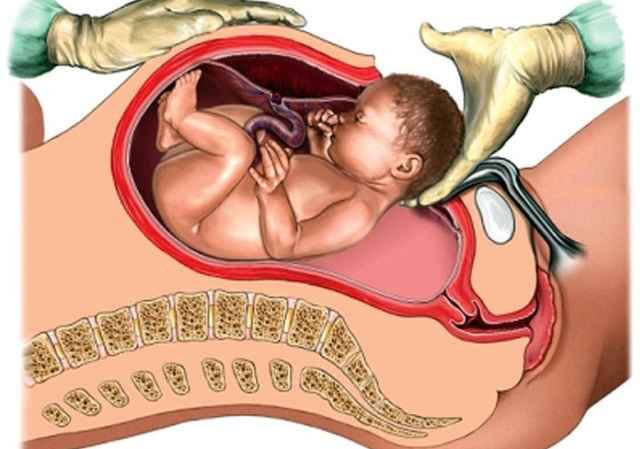
Pobiner notes that more than 46 percent of babies born in China are born by caesarean section. What is going on with natural selection, given advances in fertility and improvements in postpartum medicine?
The world population is constantly growing, and people themselves are actively developing. However, as sea levels rise and the amount of space available for housing decreases, it is much easier for a variety of diseases to spread.
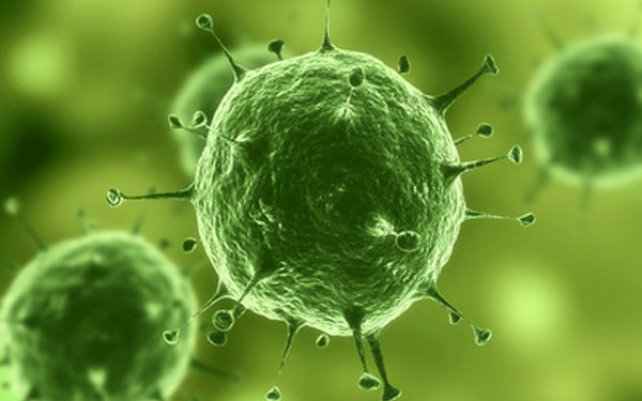
The largest virus ever found was a permafrost virus known as Pithovirus. Then how is this particular virus not dangerous to humans, what happens if a life-threatening parasite “thaws”?
Read also: How evolution made us worse
For example, according to the World Health Organization, the smallpox virus was eradicated in 1979, but some experts say that it was only possible to rid the Earth's surface, but it could survive frozen.
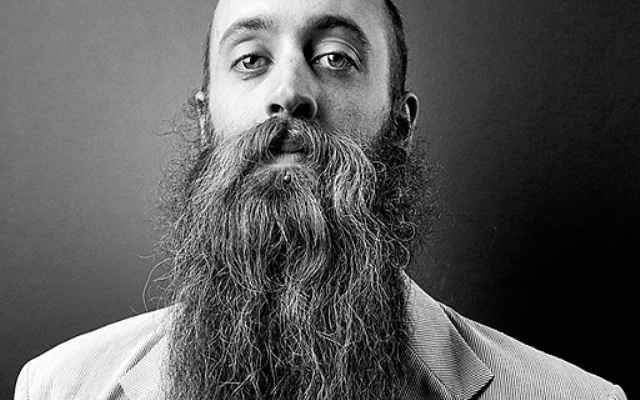
Human evolution is also maintained in other areas, such as sexual selection. A recent study has shown that beards become more attractive when the number of beards in the population decreases markedly.
Experts have found that when the “peak” period comes, their popularity will decline sharply. Economic conditions can also influence the desire to wear a beard, as unemployed or low-earning men can grow one as a sign of masculinity they cannot emphasize financial security.
So what is the answer to the question about human evolution? “As long as humans exist, they will evolve,” Pobiner concluded.
The main features of modern human evolution
Unnecessary parts of the human body
1) Goosebumps
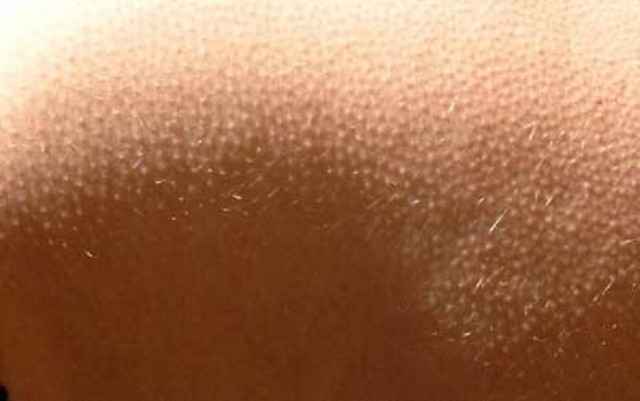
We get goosebumps when we're scared, cold, excited, or angry. Other animals are covered with goosebumps for similar reasons, which is why cat hair, for example, stands on end.
When it's cold, raised hair prevents air from “escaping” from the skin, thereby keeping you warm. When scared, raised hair helps the animal look bigger than it really is.
Read also: Human evolution was much slower than expected
People don't need these properties, but they haunt us from the past, when people had someone to scare so much. That is, the process of natural selection has removed the wool, but the mechanism itself has not yet been eliminated.
2) Vomeronasal organ
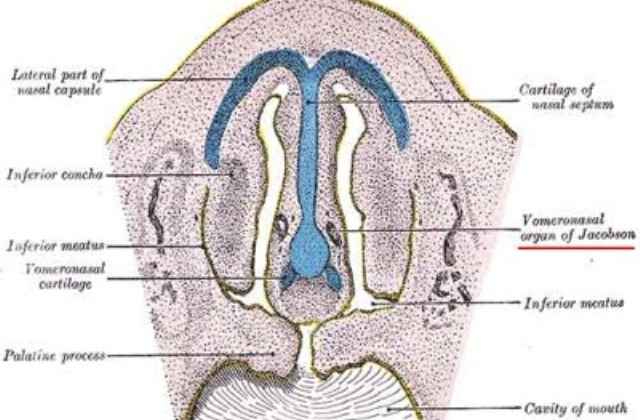
This amazing organ talks about the evolution of our sexuality. It is located in our nose, serves olfactory processes and recognizes pheromones. With its help, some animals find a mate and also calculate the danger.
A person is still born with this organ, however, even at the very early stages of human development, the need for it disappeared. Today, people use more effective ways to find a partner.
3) Junk DNA
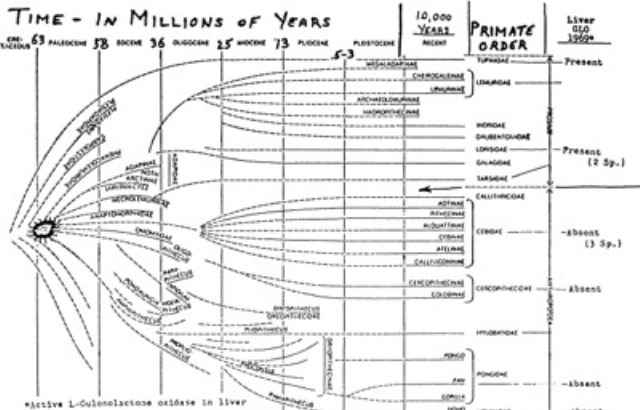
The human body has genetic mechanisms that at one time produced enzymes for vitamin C. This DNA works in most animals living on our planet today, but it was blocked at some point in the history of human evolution.
This junk DNA suggests that all species on Earth share a common origin.
4) Additional ear muscles
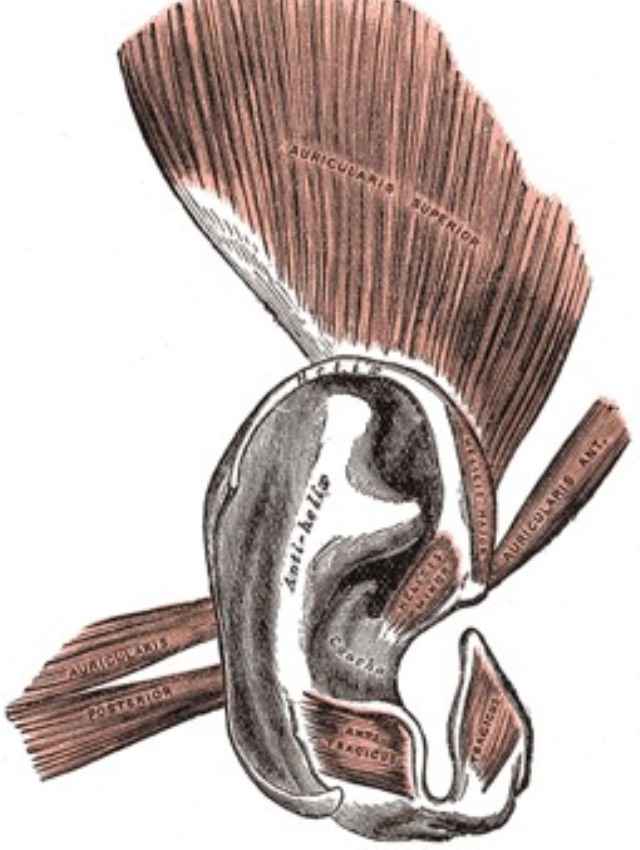
Animals use their ear muscles to control their ears. They rotate them to focus on a specific sound. In humans, these muscles are also present, however, they have almost atrophied.
The additional ear muscles are very well developed in cats.
5) Plantar muscle
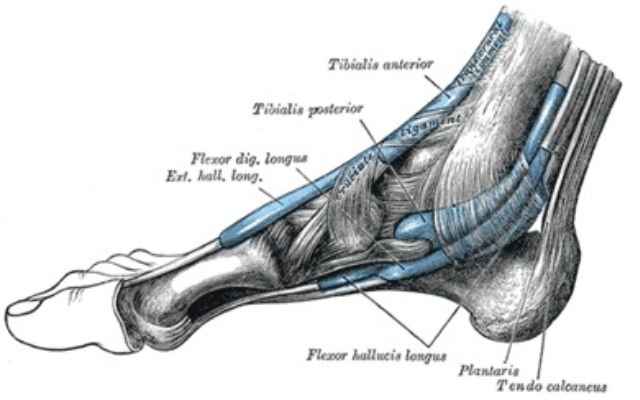
Animals need this muscle to pick up and use objects with their legs. This can be seen in monkeys. Humans also have it, but it is much less developed. It is often used by doctors when they need tissue to reconstruct a part of the body.
The plantar muscle is an absolute vestige: more than 9 percent of people are born without it.
6) Wisdom teeth
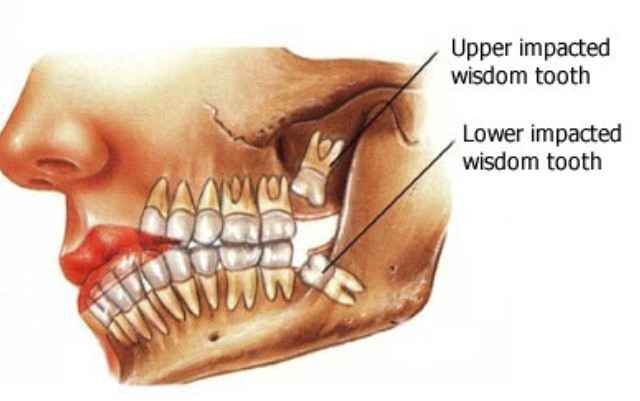
The main food of early human ancestors was of plant origin. Plants had to be eaten quickly and in large quantities in order for the body to receive the proper amount of nutrients.
Read also: Findings that testify to human evolution
That is why ancient man had another set of molars that accelerated the process of chewing food. This was important because our ancestor's body did not know how to fully digest cellulose.
However, over time, our nutritional system has changed, our jaw has shrunk, and our wisdom teeth have been left out of use. Some people no longer know what it is, while others continue to suffer.
7) Third eyelid
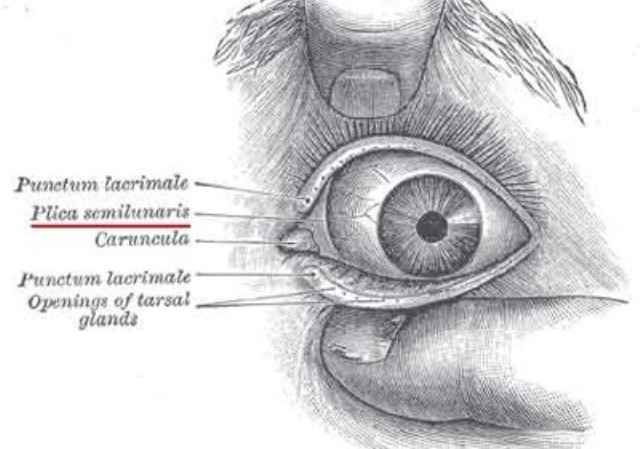
Watch how the cat blinks, and you will notice a white membrane on his eye, which is the third century. This feature is quite rare among mammals, but it is common to many species of birds, fish and reptiles.
Humans also have a third eyelid, but it is greatly reduced in size.
8) Darwin's tubercle
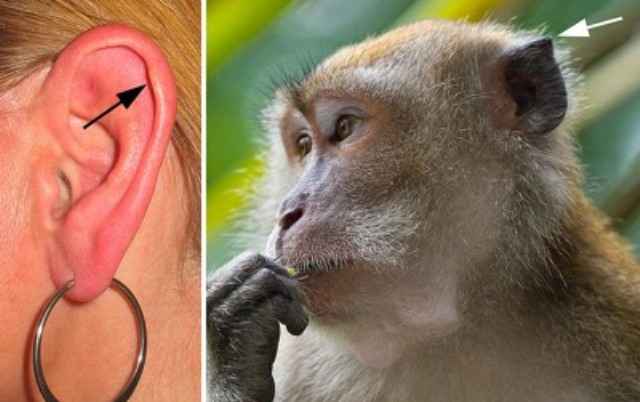
Most mammals have this part of the body, and humans are no exception. The tubercle was designed to better capture sounds, but humans have not needed this function for a long time.
Not every person has this feature. According to some information, it occurs in only 10 percent of people.
9) Coccyx
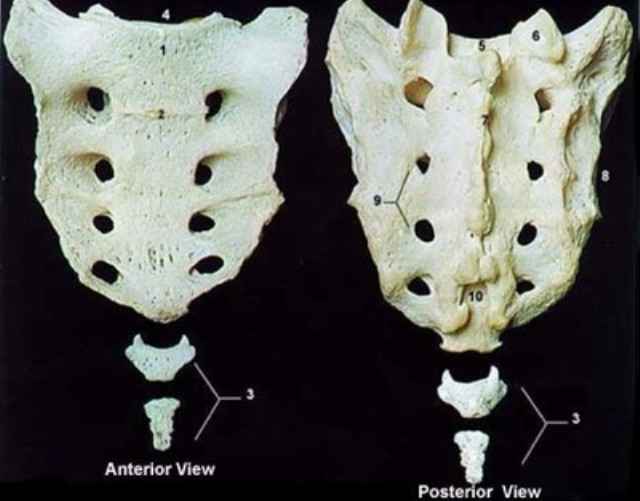
Everyone knows that the coccyx is part of the tail. In the process of evolution, humans no longer need a tail, but the need for a coccyx remains, because it works in the form of a structure that supports some muscles, and also helps a person sit down and lean back.
10) Appendix
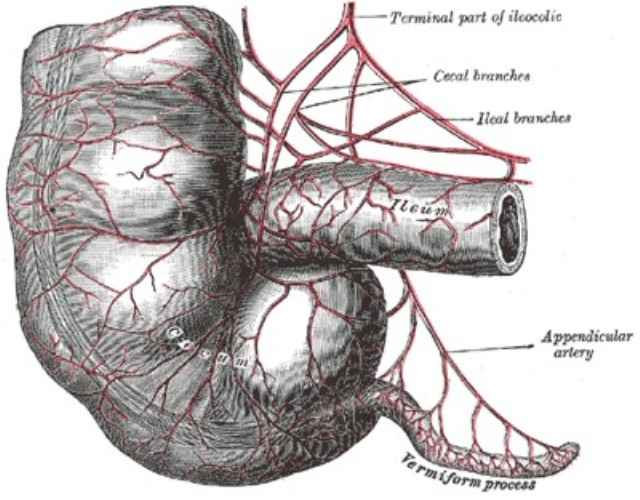
The human body does not need an appendix, so when inflammation begins in it, it is removed. Most experts support Darwin's opinion that this body assisted in the processing of cellulose.
However, over time, the human diet has changed significantly, and therefore the need for an appendix has disappeared.