
 Health
Regardless of where you are — on the beach, in the mountains, in the forest, in the park, by the pool, or even at home — you are not immune to the bites of insects that live around you. Insects like ants, wasps, bees, mosquitoes, flies, spiders, or fleas can sting or bite.
Contact with an insect itself is often painful, but if it is poisonous or you are allergic, the bite can lead to irreversible consequences. In this case, everyone needs to know the signs of a creature bite and be able to provide first aid to the victim.
In this article, we'll show you how to understand exactly who bit or stung you, how to react in this case, and whether you should worry. Take a close look at the photos and signs to be able to identify the insect that attacked you.
Insect bites
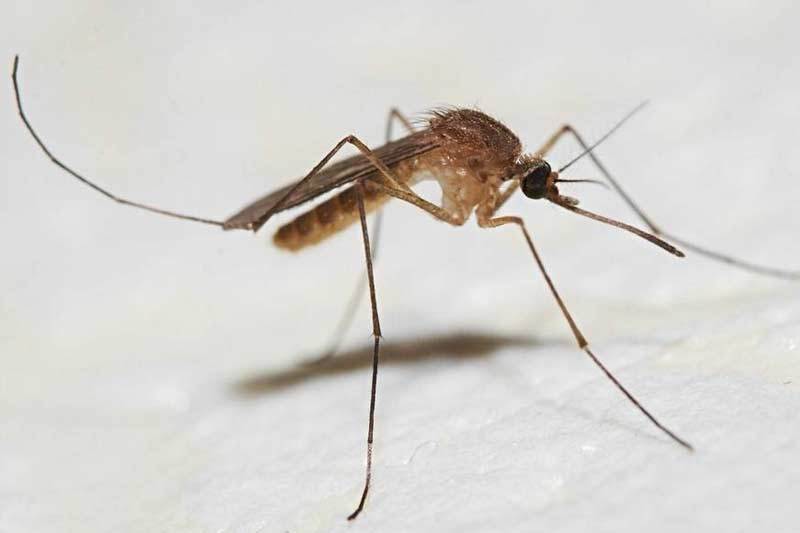
The mosquito
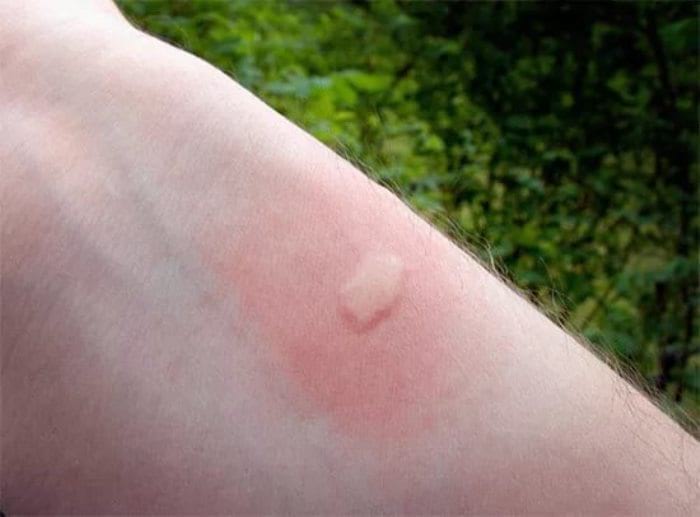
How to distinguish: A mosquito bite is a small, often round swelling that appears a few seconds after contact with the jaws. Over time, it will become firm, red, itch and slightly swollen around. Bites can be either all over the body separately or on a small area of the skin.
First aid: If you don't have a special ointment or cream at hand, and itching prevents you from concentrating, ice can help relieve it for a while. To do this, take a bag or piece of cloth, wrap some ice in it and briefly attach it to the bite site. Also, if you grow aloe at home, cut off a piece of plant so that juice appears on the surface. Apply it to the bitten area and let it dry.
In addition, you can dilute one tablespoon of baking soda with a little water to get some semblance of paste and apply the resulting substance to the bite site. Another home remedy for relieving mosquito bites is apple cider vinegar. Put some vinegar on the affected area of the skin.
Fire ant
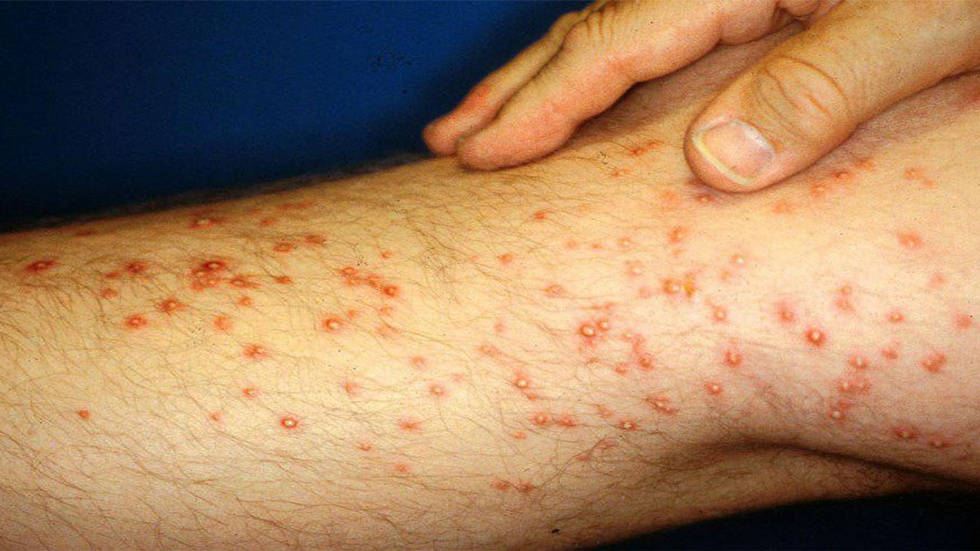
A fire ant bite is considered hazardous to human health and you should seek medical help when getting it.
How to distinguish: Fire ants are small, aggressive creatures of red color. Their bites look like small red dots with a small blister on the surface. A fire ant bite burns, itches, and may not last for about a week. These insects can cause a person to experience a severe allergic reaction, followed by swelling, itching, and breathing problems.
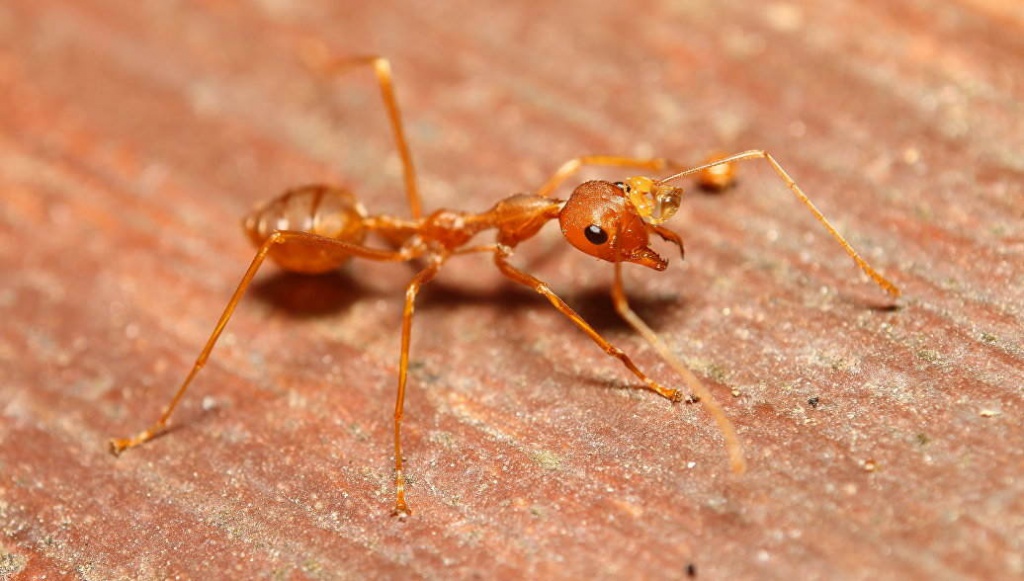
First aid: First of all, if you notice signs of an allergic reaction and feeling unwell, consult a specialist immediately. If the only problem is the bite itself, gently wash the damaged area with soap and water and cover it with a band-aid, or bandage it. Ice can be used to relieve pain. Remember that the bite site should never be scratched or scratched. In this case, you can get an infection. The drug method of treatment includes antihistamines and various creams and ointments.
Read also: 10 deadly insects on the planet
How to recognize insect bites
Flea
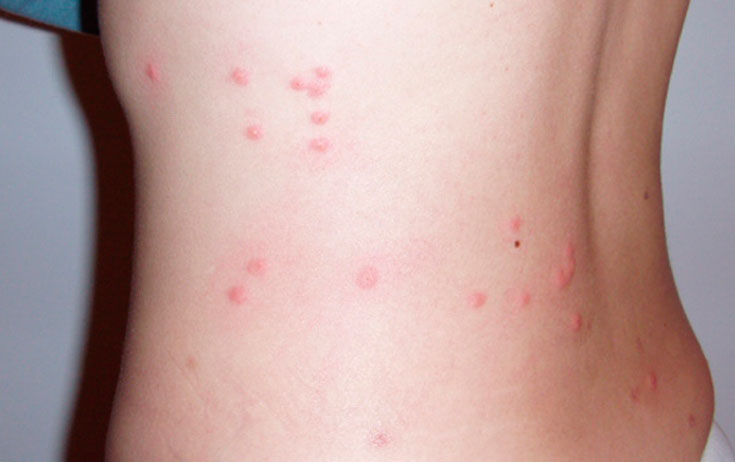
How to distinguish: Flea bites are usually arranged in groups, close to each other, and can be found most often on the feet and legs. They are small swelling – itchy red spots. Symptoms appear immediately after the bite. Fleas can attack in groups, so if you find them in your home, treat it with a special remedy to get rid of them.
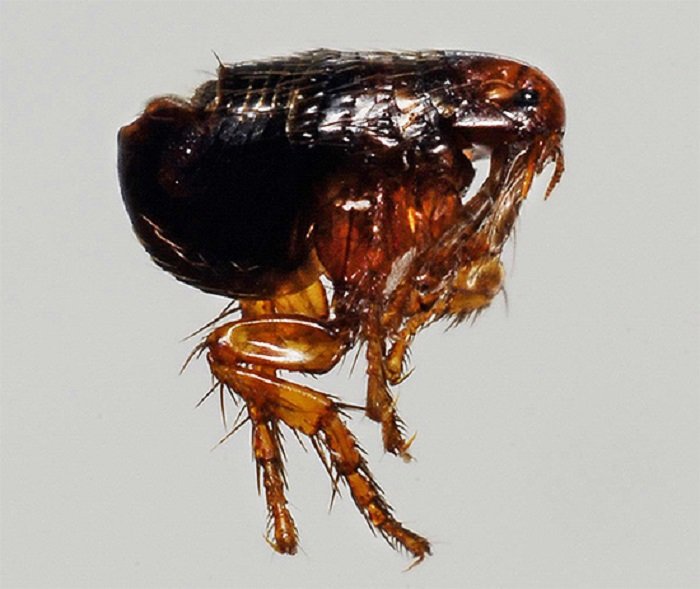
First aid: Usually flea bites, although unpleasant, do not pose a particular threat to humans. They will go away on their own, without special treatment. If you have fleas at home, then you need to fight not with the symptoms, but with the cause, i.e. get rid of insects as soon as possible. If you have a pet, first of all, you should periodically treat it with special products, after consulting a veterinarian.
If you do not have pets, it does not mean that you are immune from the invasion of fleas. They are also found by those who do not keep animals in the house. In any case, you need to treat your apartment or house with special insect repellents, leaving your home after treatment for several hours. Against symptoms, ointments that eliminate itching and antihistamines can be used. If you notice signs of infection after combing your bites — white bubbles or rashes — consult your doctor.
Bug
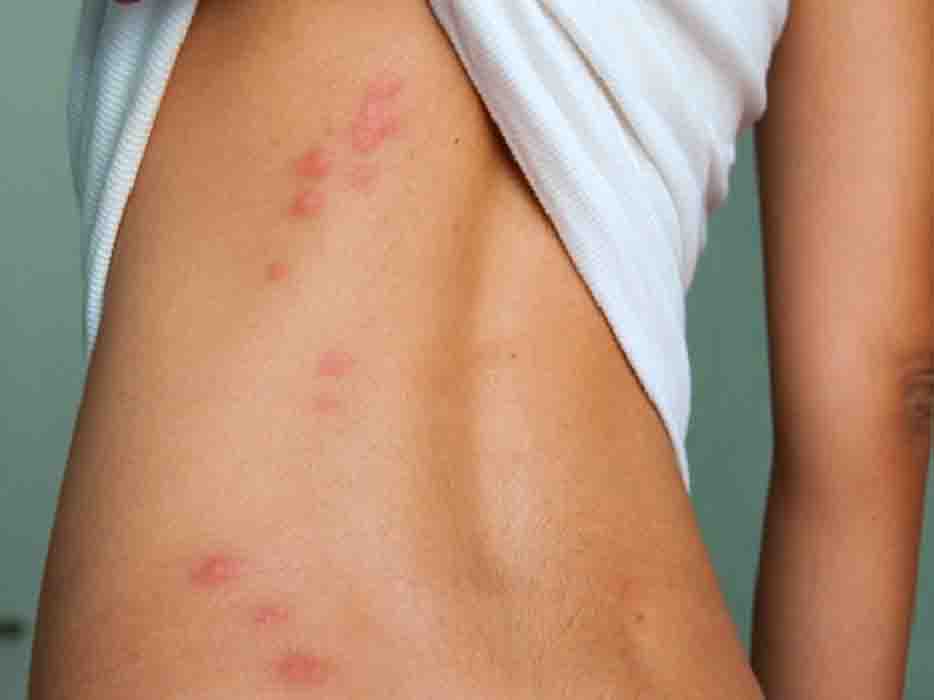
How to distinguish: Bug bites cause an allergic reaction in humans, which is manifested by an itchy rash and skin irritation. The rash is like small swollen swelling, with dark red spots in the center. They are placed either in a line, one after the other, or in small groups, and are found on any parts of the body that are not covered by clothing. Even blisters may appear at bite sites.
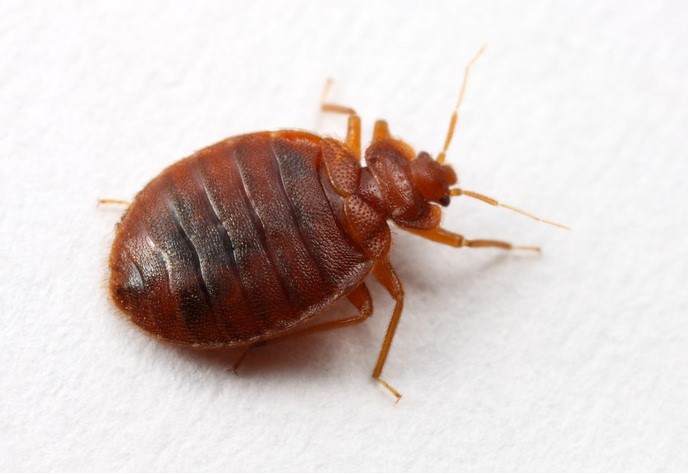
First aid: In fact, bedbugs are not disease carriers on their own, but scratching bites can cause a serious infection. If you find allergy symptoms – severe redness and swelling of the bite, painful swelling and burning sensation – consult a doctor. If you are not allergic, your symptoms will go away within two weeks.
To relieve them, you can use anti-itch creams and ointments, antihistamines, and ice. If you notice signs of infection, use antiseptic ointments and hurry to see a specialist.
Read also: The 10 most important insects on the planet
What to do if an insect bites
Fly
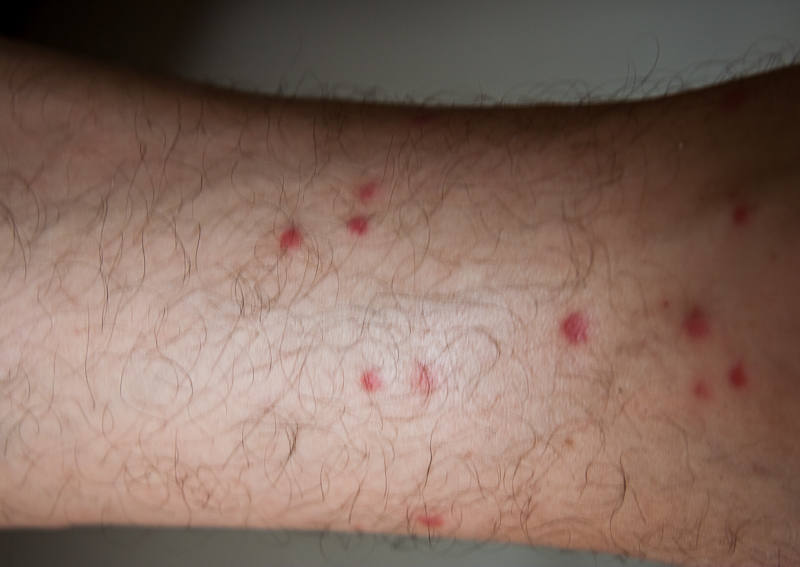
How to distinguish: Fly bites cause unpleasant inflammatory processes – red, painful, very itchy spots. Unlike mosquito bites and flea bites, a fly bite is very painful. They are mostly not dangerous, but in many cases they can cause allergies or insect-borne diseases. That's why if you're bitten by a fly, you should see a doctor. If you're traveling to hot or least developed countries, take care to protect yourself. If possible, wear long-sleeved clothes, pants, and insect spray.
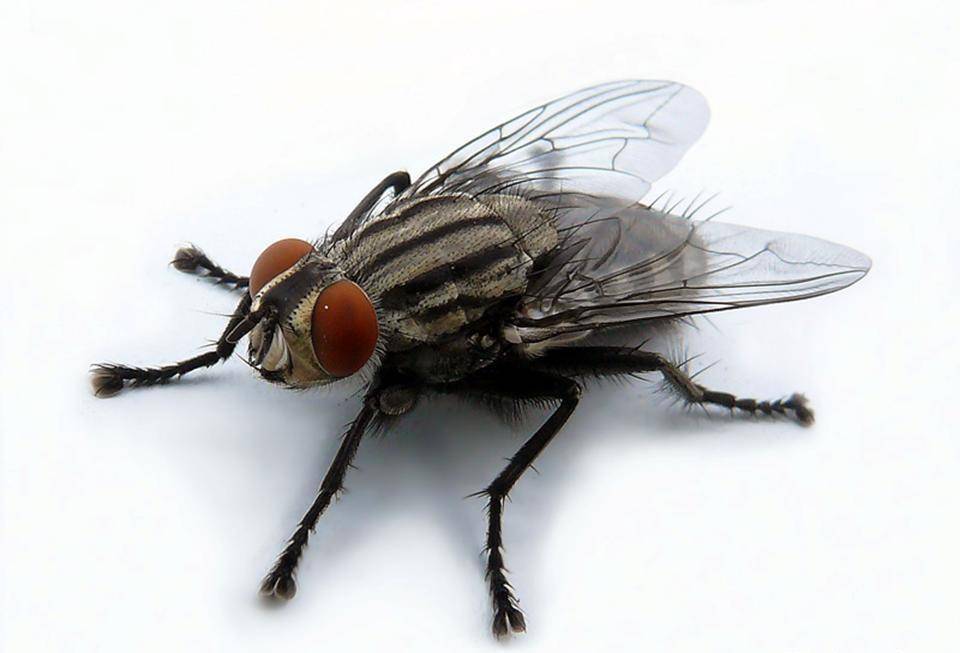
First aid: The consequences depend on the type of fly, if you could not identify it, consult a doctor and describe the symptoms. If you can't see a doctor right away, use hydrocortisone or calamine to apply to bites. Oat baths and aloe vera can help you relieve itching and pain.
In addition, ice can be used to eliminate symptoms, and the affected skin should be washed with clean water and soap. Under no circumstances should you scratch and scratch the bite site. If symptoms persist for a long time and you do not feel relief, consult a specialist.
Lice
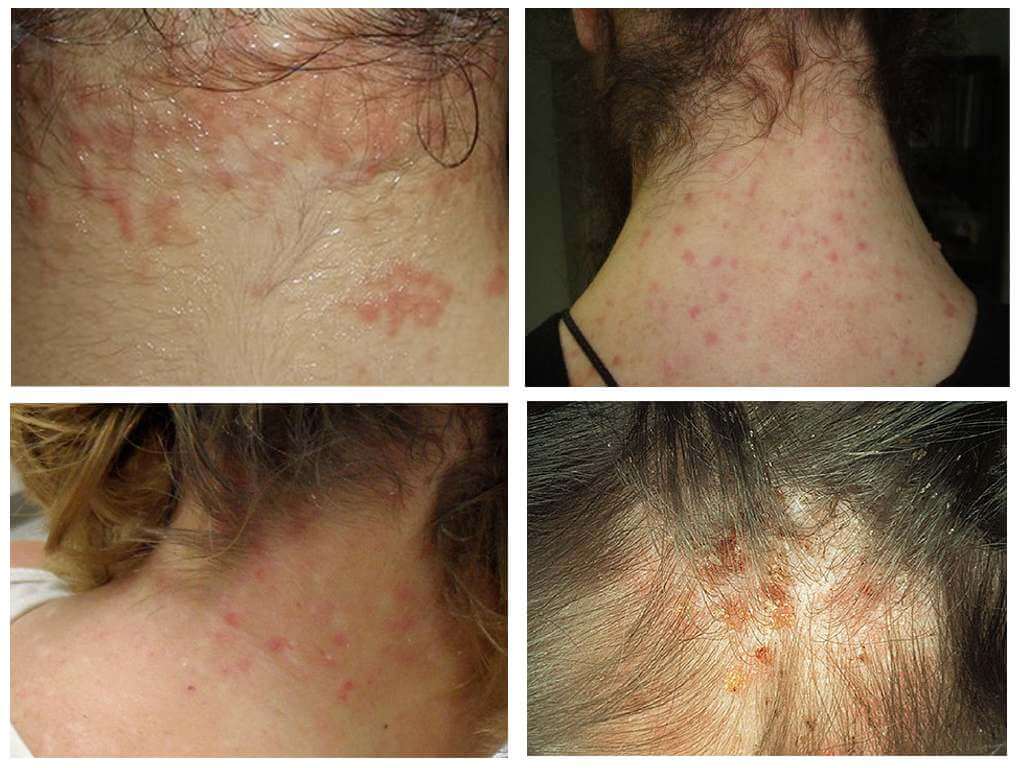
How to distinguish: Lice that parasitize the human body come in different types: head lice, clothes, pubic lice. It is easy to identify a lice bite – if you see itchy red spots on the body, mainly near the hair, check your head or pubis. If you notice small white grains, like dandruff, bursting when pressed, or you directly saw the insect itself — small, brown, the size of a sesame seed, then you can be we are sure that you were bitten by lice.
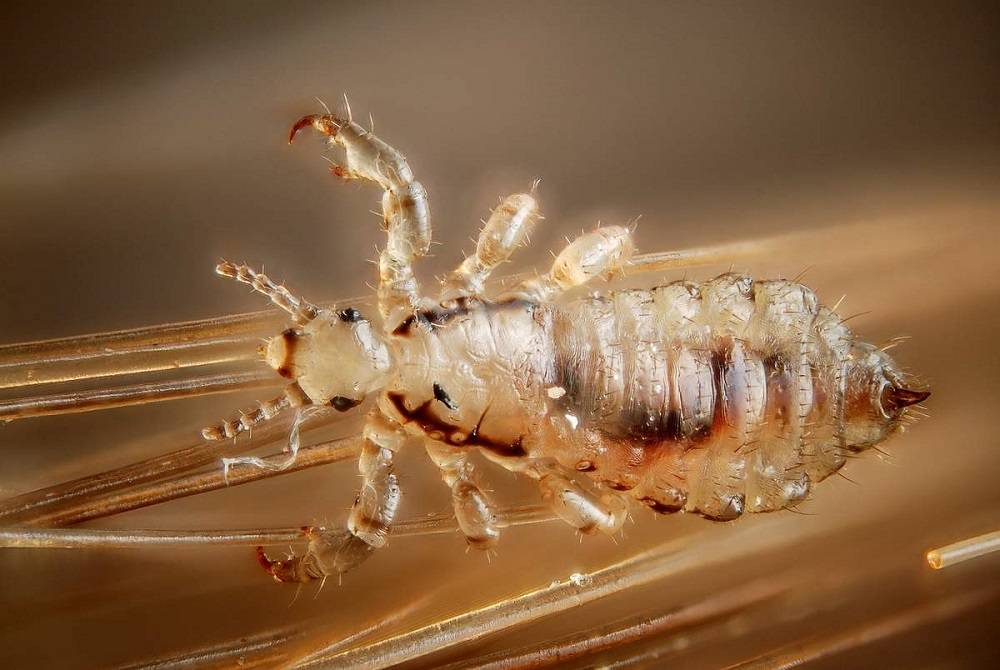
First aid: Lice themselves do not tolerate diseases, but they are unpleasant and should be eliminated. Lice that live on the body mostly reproduce in unsanitary conditions. In order to get rid of pubic or head lice, there are a lot of shampoos and preparations nowadays. However, you won't be able to get rid of them completely just by using shampoo. Adults will die from it, and eggs will have to be combed out for a long time and hard.
Biting insects
Mite
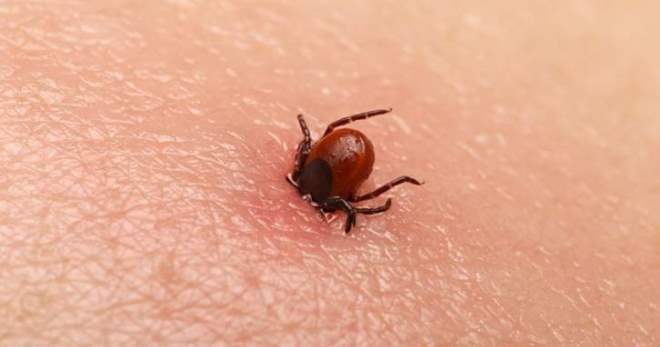
How to distinguish: It is not at all difficult to identify a tick bite. In most cases, they can be easily seen, because they remain partially under human skin until they drink enough blood for themselves. At the same time, the bite site is quite painful. A tick bite is a painful and incredibly itchy dark red spot. They hardly appear in groups. Symptoms also include shortness of breath.
A small dark crust may appear on the surface of the rash if the bite heals. They are usually located in the folds of the skin, in the hair, behind the ears, or near places where clothes fit tightly to the body. But they could be anywhere. If you notice a body fragment tightly immersed in the skin, it's definitely a tick.
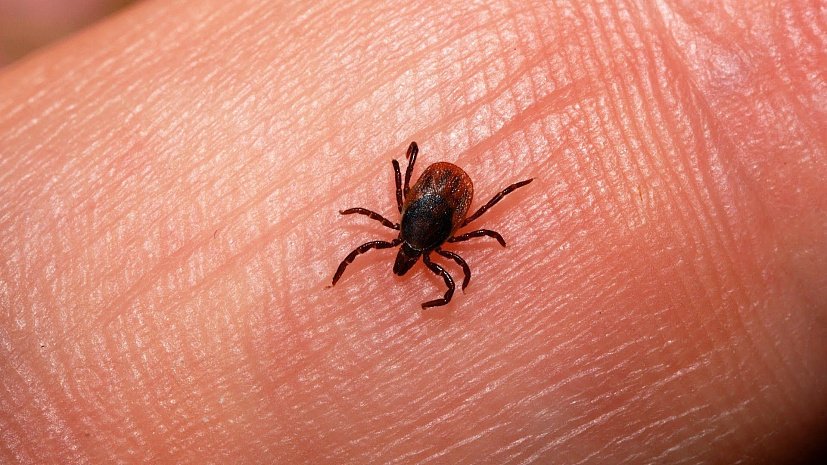
First aid: Ticks can carry serious illnesses and cause infections, so if you notice a tick, go to the hospital and take the necessary tests. Bites go away within 1-3 weeks. It often happens that a tick bites and leaves the body. In this case, you do not need to remove it, however, after finding out the origin of the bites, take tests for diseases.
If you notice a tick bite on your body or just come from a picnic in the forest, take a shower immediately with soap and water to help get rid of any remaining ticks. If one or more of them have not left your body, do not try to remove it yourself, unless you have previously encountered it, because part of his body may remain under the skin and cause infection. If it is not possible to visit a doctor immediately, pour vegetable or olive oil over the tick. It will start to suffocate and leave the skin.
Scabies mite
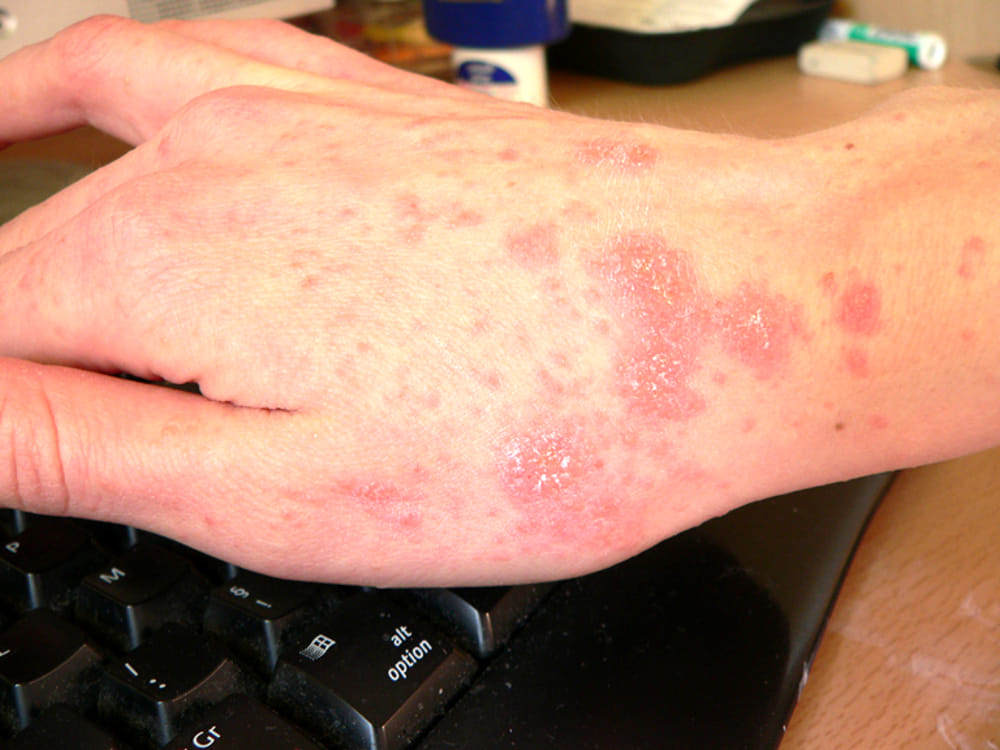
How to distinguish: Unlike normal mites, scabies do not stay under human skin for long. Symptoms usually do not appear immediately, but within 4 to 6 weeks after infection. A red scaly rash appears on the skin, which is very itchy and flaky. In some places, the skin may peel off.
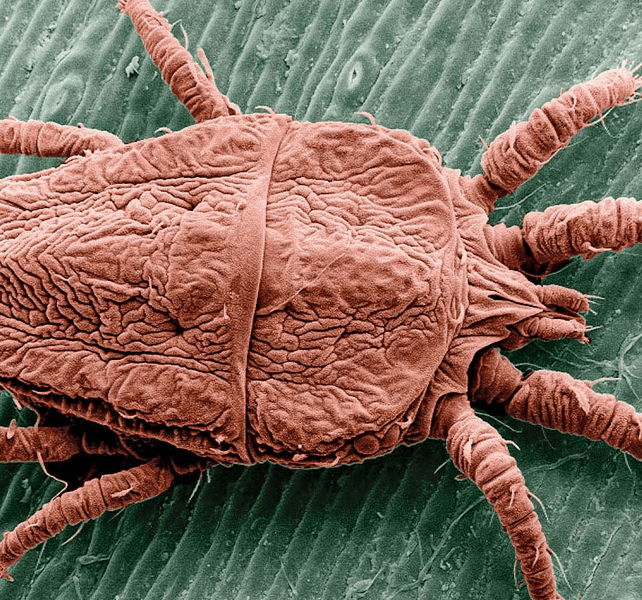
First aid: If you notice these symptoms and know that your immune system is weak, consult a doctor and never self-medicate. The doctor, in most cases, first prescribes various ointments, creams, lotions and oral medications – this helps to get rid of the infection.
For prevention, do not contact people infected with scabies. Periodically clean your home and monitor your personal hygiene. If you are confident in your doctor, and a week after starting treatment, you think that the symptoms have only worsened, do not worry, this is normal. Continue treatment and you will soon feel relieved.
How to cure insect bites
Spider
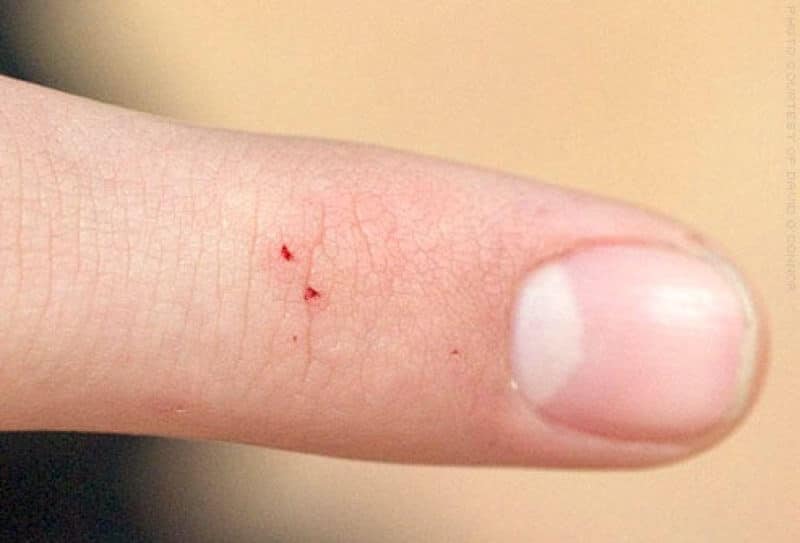
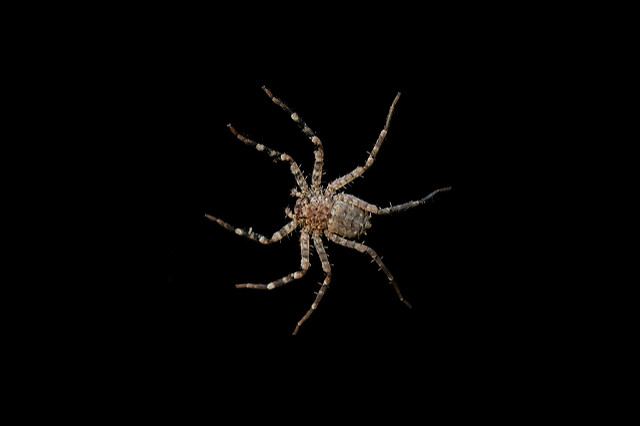
How to distinguish: Spiders live in our climate, most often not dangerous to humans, and their sting is no more painful than a bee sting. So when you see a spider in your bathroom, do not rush to get scared. However, if you have biting spiders in your area, you should be aware of the symptoms. A blister or pustule may appear at the site of the bite. You'll clearly see jaw marks on your skin — two punctures.
This may also be followed by allergies and swelling, as well as weakness, nausea. Among the poisonous spiders, the following are the most dangerous: a brown hermit spider, a black widow, a tramp spider, a tarantula, and a wolf spider.
First aid: In some cases, if you're sure that the spider that bit you wasn't poisonous, you can heal at home. To do this, apply ice to the affected area of the skin for 10 minutes with short breaks. Raise the affected limb to avoid swelling, take an antihistamine.
Clean the skin at the site of the bite to avoid infection. When a blister appears, apply an antiseptic ointment to it. If you are sure that the spider is poisonous, or if symptoms persist for a long time, consult a doctor immediately.
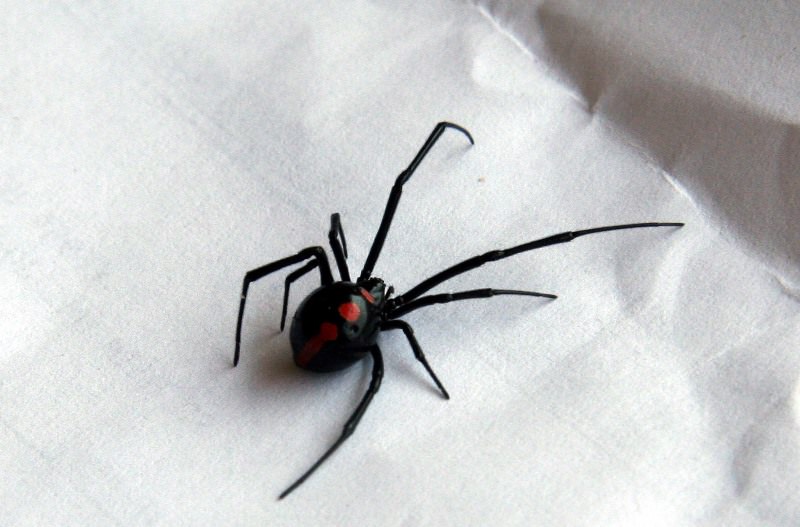
Black widow
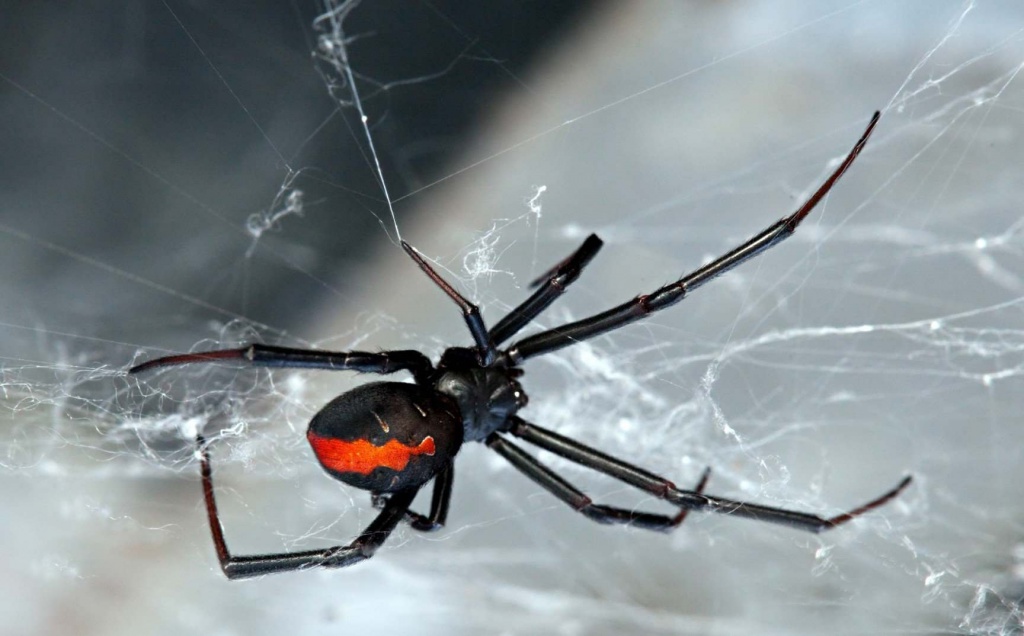
How to tell the difference: The bite of a black widow is deadly. That's why you should know the symptoms, especially if you plan to visit the country where they are found. By themselves, these spiders are not aggressive, they attack only when they feel dangerous from a person. The bite appears as a red spot with a white and sometimes yellowish center. A person feels weak, muscle spasms and pain in the legs, arms, back, and abdomen. Victims also experience trembling, sweating, headache and nausea.
First aid:
If you get bitten by a black widow, you should immediately go to the nearest hospital
where you will be treated. Remember that the black widow lives in North America,
Australia, and Oceania.