
 Health
There are certain reasons why we have runny nose, sneezing, pain and aches. Learn why our body behaves this way and how to relieve the main symptoms of colds and flu.
Symptom: Sneezing
What does this mean?
Your body removes bacteria and other particles by a sudden, involuntary release of air. Don't try to suppress sneezing, as your body is trying to get rid of irritants.
When should you start worrying?
Almost never, but if sneezing interferes with you or continues even after the rest of the cold or flu symptoms have passed, you should talk to your doctor, as the cause may be allergies.
Treatment:
Use special wipes to prevent the spread of viruses. And if you don't stock up on wipes, you need to sneeze into your sleeve rather than into a handkerchief, as this will be less likely to spread germs. Some antihistamines also help suppress the sneezing reflex. But most experts advise not to treat this rather harmless symptom.
Symptom: Chills and fever
 What does this mean?
Chills are the body's way of generating heat when it gets cold. It usually precedes the heat that occurs as the body's way of protecting itself by raising the temperature to fight viruses.
When should you start worrying?
Call a doctor if the fever rises above 38.8 degrees, if the fever persists for more than 72 hours without a break, or if you have symptoms such as shortness of breath and dizziness.
Treatment:
To stay hydrated, drink more. Wiping with warm water can also help. You can take the medicine at a fever that your doctor recommends.
Symptom: Sore throat
 What does this mean?
The mucus that flows down to the throat causes irritation and inflammation.
When should you start worrying?
If you have difficulty swallowing or have trouble breathing, call a doctor to rule out a more serious illness caused by a bacterial infection.
Treatment:
Rinse your throat with warm water and salt. Also, discomfort in the throat will help soften liquids such as tea and broth. Ask your doctor what medications can be used to reduce inflammation.
Symptom: Runny nose
 What does this mean?
Your body activates mucus to remove cold and flu viruses from your nasal passages.
When should you start worrying?
If your condition doesn't improve within a week of the onset of symptoms, you may have a bacterial sinus infection, which may require antibiotic treatment.
Treatment:
Drink liquids to help thin the mucus. Chicken soup may help reduce inflammation. You can only sniff your nose lightly into the handkerchief, as severe blowing can lead to sinus problems. Use salt sprays to wash your sinuses or other medications prescribed by your doctor.
Symptom: Nose clogged
 What does this mean?
The mucus overloads the nasal passages and remains there due to the fact that it is not properly pumped out.
When should you start worrying?
If you have a fever, it may be a bacterial infection that needs to be treated with antibiotics.
Treatment:
To keep your nasal passages moist, use a humidifier or try standing above a sink filled with hot water. The doctor will also recommend drugs that reduce the sensation of swelling and blockage in the nose.
Symptom: Cough
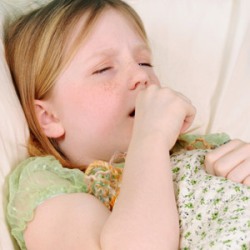 What does this mean?
Coughing is a reflex that helps clear the throat. It is caused by excess mucus or other irritants that affect the nerve endings in the respiratory tract.
When should you start worrying?
If you have trouble breathing, the mucus has changed color, or if you have blood in the mucus, you may have bronchitis, sinusitis, or pneumonia.
Treatment:
In any case, you should consult a doctor to determine the cause of the cough. In mild cases, you can suck a lollipop and drink warm liquid to relieve a sore throat.
Symptom: Inflamed lymph nodes
 What does this mean?
Lymph nodes produce a variety of cells that fight infection caused by viruses.
When should you start worrying?
If lymph nodes remain enlarged for several weeks after the cold or flu has passed, this may rarely be a sign of another more serious illness, lymphoma.
Treatment:
There is little you can do to reduce inflamed lymph nodes. They should return to normal within a week or a few weeks.
Symptom: Body aches
 What does this mean?
This symptom most commonly occurs with the flu and is a sign that the body is producing chemicals that help white blood cells fight infection.
When should you start worrying?
Only when an ache completely incapacitates you, which is rarely the case with colds and flu.
Treatment:
Get more rest, take a warm bath to relax your muscles, try using a heating pad, or replace it with a warm bottle. Analgesics, which are usually prescribed for influenza, often relieve pain.