
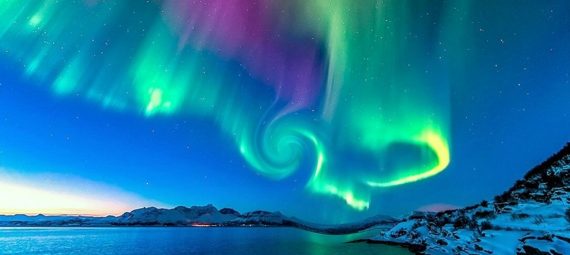
The ethereal dance of the aurora borealis, the Northern Lights, has captivated humans for centuries. From ancient myths to modern scientific understanding, the aurora remains a mesmerizing spectacle. This article explores the myths surrounding this celestial phenomenon, delves into its scientific reality, and highlights the best locations to witness this breathtaking display.
Ancient Myths and Legends
For centuries, the aurora borealis was shrouded in mystery and myth. Different cultures attributed varying meanings to the dancing lights. Some believed they were spirits playing, others, divine messengers or even a sign of impending doom. These myths, passed down through generations, painted vivid pictures of the aurora, adding a layer of enchantment to the experience. In Scandinavian folklore, the aurora was often associated with Valkyries, while in some indigenous cultures, they were considered a manifestation of the spirits of the dead. These tales add a rich cultural context to the aurora’s beauty.
The Scientific Reality
The aurora is a natural light display caused by charged particles from the sun interacting with the Earth’s atmosphere. Solar flares and coronal mass ejections release a stream of charged particles (plasma) that travel through space towards our planet. When these particles collide with atoms and molecules in the upper atmosphere, they excite them, causing them to emit light. Oxygen emits a greenish or reddish light, while nitrogen produces shades of blue or purple. The dance of colours, shapes, and intensities is constantly changing, creating a truly dynamic and mesmerizing experience.
Factors Affecting Aurora Visibility
Several factors influence the visibility and intensity of the aurora:
- Solar activity: Periods of high solar activity, marked by sunspots and flares, produce more energetic particle streams, leading to more intense and vibrant auroras. Predicting solar activity levels helps determine the best times to view the aurora.
- Geomagnetic conditions: The Earth’s magnetic field plays a crucial role in guiding the charged particles towards the poles. Stronger geomagnetic activity facilitates better aurora viewing.
- Weather conditions: Clear skies are essential for observing the aurora. Clouds obscure the view, and even moonlight can diminish the faint light of the aurora.
- Light pollution: Cities and towns with significant light pollution can make the aurora difficult or impossible to see. Locating darker, more remote areas is key to maximizing viewing opportunities.
Best Places to See the Northern Lights
Several locations around the world are ideal for viewing the aurora borealis. Factors such as proximity to the magnetic poles, minimal light pollution, and reliable weather forecasts are crucial considerations:
- Northern Scandinavia (Norway, Sweden, Finland): This region boasts excellent viewing opportunities due to its proximity to the auroral oval. Areas like Tromsø, Abisko, and Lapland offer spectacular displays.
- Arctic Canada: Canada’s northern territories, particularly Nunavut, offer expansive, dark skies and excellent aurora viewing opportunities.
- Iceland: With its dramatic landscapes and minimal light pollution, Iceland is a popular choice for aurora enthusiasts.
- Alaska (USA): Alaska’s vast wilderness and dark skies provide stunning views of the Northern Lights.
- Greenland: Greenland, with its remote location and pristine landscapes, offers the possibility of experiencing the aurora in a truly undisturbed setting.
Planning Your Aurora Chase
To maximize your chances of witnessing this natural wonder, consider these tips:
- Check the aurora forecast: Numerous websites and apps provide forecasts of solar activity and predicted aurora displays.
- Find a dark location: Light pollution significantly affects visibility. Seek out areas with minimal light interference.
- Dress warmly: Even in summer, temperatures in these northern regions can drop dramatically. Be prepared for cold weather.
- Be patient: Aurora displays can be unpredictable, so be prepared to wait for the perfect moment.
The Northern Lights are a captivating spectacle that combines scientific phenomena with rich cultural narratives. By understanding both the myths and the reality, and by choosing the right location, you can experience this breathtaking celestial dance firsthand.