
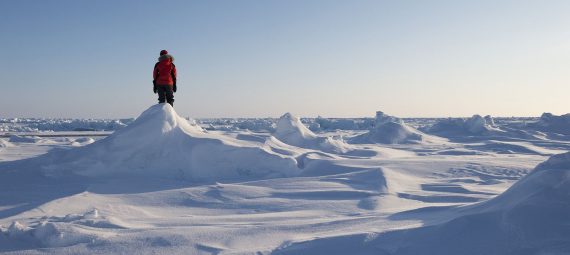
The North Pole, a frozen realm of ice and mystery, has beckoned explorers and adventurers for centuries. From early, often perilous, attempts to reach the top of the world to the modern-day expeditions using advanced technology, the quest to conquer the Arctic has fueled countless narratives and discoveries.
A History of Exploration
The journey to the North Pole isn’t simply about physical endurance; it’s a testament to human ambition and ingenuity. Early expeditions, often driven by a combination of scientific curiosity and national pride, saw explorers brave the unforgiving conditions of the Arctic. Names like Robert Peary, Roald Amundsen, and Fridtjof Nansen are etched in history for their efforts, even though the precise routes and exact timings of some of their journeys remain debated. Their struggles, failures, and eventual successes represent the relentless pursuit of knowledge and the boundaries of human capability in extreme environments.
Modern Expeditions: A Blend of Science and Adventure
Today’s North Pole expeditions are more sophisticated, incorporating advanced technologies and focusing on scientific research. While the thrill of reaching the geographic North Pole remains a significant element, modern explorers are also driven by the need to understand and address the critical issues facing the Arctic region, such as climate change, melting ice, and the impact on indigenous communities. These expeditions often involve teams of scientists, researchers, and adventurers who collaborate to collect data, conduct experiments, and document the changes occurring in this fragile ecosystem.
Challenges and Risks
The Arctic poses unique and formidable challenges for any expedition. The extreme cold, unpredictable weather, and treacherous ice conditions demand meticulous planning, rigorous training, and an unwavering commitment to safety. The ever-present threat of blizzards, ice floes, and equipment failure requires careful assessment of risks and contingency planning. The physical and mental strain of prolonged exposure to harsh environments cannot be underestimated.
Different Approaches and Types of Expeditions
Different expedition types cater to various levels of experience and ambition:
- Reaching the geographic North Pole: This classic pursuit remains a significant achievement, emphasizing the physical and logistical challenge of navigating the Arctic ice.
- Scientific research expeditions: These expeditions focus on studying climate change, wildlife populations, and the effects of global warming on the Arctic environment.
- Adventure expeditions: These can encompass various activities like skiing, snowmobiling, kayaking, or dog sledding across the Arctic landscape.
The Importance of Sustainable Practices
Given the increasing pressures on the Arctic environment, sustainable practices are now a critical aspect of expeditions. Minimizing environmental impact, respecting indigenous communities, and actively contributing to scientific knowledge and conservation efforts are essential for ensuring the long-term health of this fragile ecosystem. Modern explorers often prioritize minimizing their carbon footprint, carefully managing waste, and working with local communities to create positive impacts.
The Future of North Pole Expeditions
As our understanding of the Arctic grows, so too does the complexity and significance of expeditions. Future expeditions will likely focus on addressing the challenges of climate change, preserving biodiversity, and working with indigenous communities to ensure a sustainable future for the region. The quest to understand and protect the North Pole is a journey that will continue to shape our knowledge and inspire new generations of adventurers.
This journey isn’t just about reaching a destination; it’s about confronting challenges, forging resilience, and gaining profound insights into a unique and rapidly changing part of our planet.