
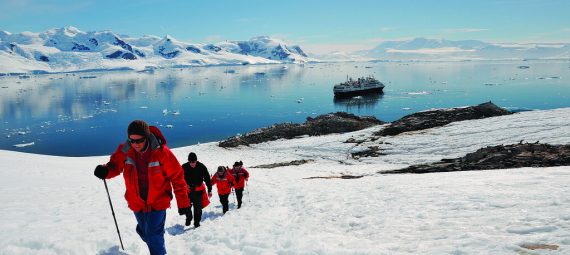
The Arctic, a breathtaking landscape of ice, snow, and vibrant wildlife, is rapidly becoming a popular tourist destination. However, the delicate balance of this unique environment necessitates a shift towards environmentally responsible tourism. This article explores the importance of sustainable practices in Arctic tourism, highlighting ways to enjoy the region’s wonders while minimizing our impact.
The Fragile Arctic Ecosystem
The Arctic’s ecosystems are incredibly sensitive. Melting ice, rising temperatures, and changing weather patterns directly impact wildlife, indigenous communities, and the overall health of the region. Over-tourism can lead to pollution, habitat destruction, and increased pressure on already stressed resources. Therefore, adopting environmentally responsible practices is crucial to ensuring the long-term survival and beauty of the Arctic for future generations.
Key Principles of Sustainable Arctic Tourism
Sustainable Arctic tourism prioritizes minimizing environmental impact and maximizing positive contributions to the region:
- Minimize carbon footprint: Offsetting travel emissions, choosing eco-friendly accommodations, and using public transportation or ecotourism options can drastically reduce the negative environmental impact of your trip. Supporting businesses committed to sustainability is paramount.
- Respect wildlife: Maintain a safe distance from wildlife and avoid disturbing their natural behavior. Adhere to all guidelines and regulations set by local authorities and conservation organizations. Avoid feeding animals, which can disrupt their natural behaviors and create dependency.
- Support local communities: Choose accommodations and tour operators that employ local people and support local economies. This ensures that the benefits of tourism directly support the well-being of the community. Learning about and respecting local traditions and customs is crucial.
- Waste management: Pack out all waste, avoid single-use plastics, and support locations with robust waste-management strategies. Encourage responsible disposal and recycling habits among tourists.
- Respect cultural heritage: Understand and respect the unique cultures and traditions of the indigenous peoples of the Arctic. Consider employing tour operators and guides with deep cultural knowledge, ensuring that your interactions are respectful and contribute positively to the preservation of local heritage.
- Choose certified and sustainable operators: Look for tour operators and accommodations that are certified by organizations dedicated to sustainable practices. These certifications ensure adherence to specific standards of environmental and social responsibility.
Ecotourism Options
Ecotourism in the Arctic offers a wide array of environmentally friendly ways to experience the region:
- Guided nature walks and wildlife viewing: Responsible tour operators can lead you through the landscapes, allowing you to experience the wonder of the Arctic while minimizing your impact.
- Dog sledding and snowmobiling: Consider eco-conscious operators who prioritize animal welfare and minimize environmental disturbance.
- Kayaking and boat tours: Explore the Arctic by water, adhering to guidelines that protect marine wildlife and coastal environments.
- Research-based expeditions: Contribute to ongoing scientific research projects while enjoying the breathtaking scenery.
The Role of Travellers
Ultimately, the success of environmentally responsible Arctic tourism depends on the conscious choices of all visitors. By adopting these principles and seeking out ethical operators, travelers can ensure their journey has a positive impact on the Arctic, preserving its unique beauty for future generations to experience. Choosing to be a responsible traveler goes beyond just minimizing your impact; it’s about contributing to the conservation of this fragile ecosystem and respecting its unique inhabitants.