
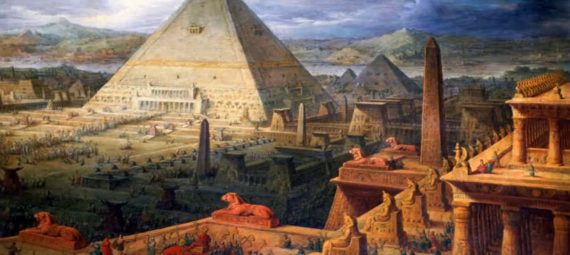
Imagine stepping back in time, leaving behind the modern world to immerse yourself in the captivating world of Ancient Egypt. While actual time travel remains firmly in the realm of science fiction, we can embark on a fascinating journey of historical reconstruction, recreating aspects of daily life in this ancient civilization. By piecing together evidence from archaeological discoveries, hieroglyphic texts, and artistic representations, we can gain a glimpse into the lives, beliefs, and practices of the people who inhabited the Nile Valley thousands of years ago.
Daily Life Along the Nile: Farming, Trade, and Social Structures
The lifeblood of Ancient Egypt was the Nile River. Its annual floods brought fertile silt, making agriculture the cornerstone of the economy. Farmers cultivated crops like wheat, barley, and flax, using simple tools and techniques that were remarkably effective. Trade flourished, connecting Egypt with neighboring civilizations, exchanging goods and ideas across vast distances. Society was structured into a rigid hierarchy, with pharaohs at the apex, followed by priests, nobles, scribes, artisans, and farmers. This social structure permeated every aspect of daily life, dictating roles, responsibilities, and opportunities.
Religious Beliefs and Practices: Gods, Pharaohs, and the Afterlife
Religion played a central role in the lives of the Ancient Egyptians. Their pantheon of gods and goddesses, each with their own unique attributes and roles, shaped their beliefs and practices. Pharaohs were considered divine rulers, intermediaries between the gods and the people. The Egyptians held a profound belief in the afterlife, undertaking elaborate burial rituals and constructing elaborate tombs to ensure a smooth transition into the next world. The process of mummification, designed to preserve the body for eternity, was a complex and significant ritual, reflecting their deep-seated beliefs.
Art, Architecture, and Writing: A Legacy in Stone and Symbols
The Ancient Egyptians left behind a remarkable artistic legacy. Their mastery of painting, sculpture, and architecture is evident in the magnificent pyramids, temples, and tombs that dot the landscape. Hieroglyphic writing, a complex system of symbols, allows us to decipher their history, beliefs, and daily life. Studying these artistic expressions and written records provides invaluable insights into their worldview, their artistic sensibilities, and their understanding of the universe. From the intricate carvings adorning tomb walls to the vibrant colors of their paintings, their artistry offers a window into their minds and hearts.
Recreating the Past: Museums, Archaeological Sites, and Immersive Experiences
While we cannot physically travel back in time, we can engage in a form of virtual time travel by visiting museums and archaeological sites. The artifacts unearthed from Ancient Egyptian tombs and settlements allow us to touch upon the tangible remnants of their civilization. Modern museums, through sophisticated displays and interactive exhibits, offer immersive experiences that bring the past to life. By studying the artifacts, reading historical accounts, and engaging with reconstructions, we can approach a deeper understanding and appreciation of Ancient Egyptian life.
The journey into recreating life in Ancient Egypt is a continuous process of discovery and interpretation. While we may never fully comprehend the complexities of this ancient civilization, the available evidence allows us to construct a rich and compelling narrative, bringing the past to life and fostering a deeper understanding of human history and culture.