
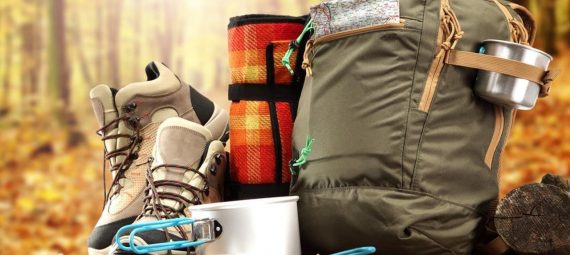
Embarking on a hiking or camping adventure requires careful planning and the right gear. This list provides a comprehensive overview of essential equipment for a safe and enjoyable experience. Remember to adapt this list to the specific conditions of your trip, considering factors like the duration, location, weather, and the level of difficulty.
Shelter
- Tent: Choose a tent appropriate for the number of people and the weather conditions. Consider features like waterproofing, ventilation, and ease of setup.
- Sleeping bag: Select a sleeping bag with a temperature rating suitable for the expected conditions. Consider factors like warmth, weight, and packability.
- Sleeping pad: A sleeping pad provides insulation from the ground, comfort, and cushioning. Options include inflatable pads, foam pads, and self-inflating pads.
Clothing
- Moisture-wicking base layers: These layers pull sweat away from your skin, keeping you dry and comfortable.
- Insulating mid-layers: Fleece or down jackets provide warmth without adding significant bulk.
- Waterproof and windproof outer layer: A jacket and pants are essential for protection from rain and wind.
- Hiking boots: Sturdy, waterproof hiking boots provide ankle support and protection. Break them in before your trip!
- Hiking socks: Moisture-wicking hiking socks prevent blisters and keep your feet dry.
- Warm hat and gloves: Essential for colder conditions.
Navigation & Safety
- Map and compass: Learn how to use them before you go! GPS devices can fail, so these are crucial backups.
- GPS device (optional): A GPS device can provide precise location information and navigation assistance.
- Headlamp or flashlight: Essential for navigating in low-light conditions. Extra batteries are recommended.
- First-aid kit: A comprehensive first-aid kit tailored to outdoor adventures (see separate article on this topic).
- Whistle: A whistle can be used to signal for help in an emergency.
- Knife or multi-tool: A multi-tool with a knife, pliers, and other useful tools is highly versatile.
- Fire starter: Matches, lighter, or fire starter to build a campfire (check fire regulations in your area).
Cooking & Food
- Cooking stove and fuel: Choose a lightweight and efficient stove suitable for your needs.
- Cookware and utensils: Pots, pans, plates, cups, and cutlery. Consider lightweight and nesting options.
- Food: Pack non-perishable foods that are lightweight and easy to prepare. Consider freeze-dried meals, energy bars, and trail mix.
- Water bottles or hydration reservoir: Carry enough water for your hike and camping trip. Water purification tablets or a filter are also essential if you plan to collect water from natural sources.
Other Essential Equipment
- Backpack: Choose a backpack with a comfortable fit and enough capacity for your gear.
- Trekking poles (optional): Trekking poles provide stability and reduce strain on your joints, especially on steep terrain.
- Sun protection: Sunscreen, sunglasses, and a hat are essential to protect yourself from the sun.
- Insect repellent: Protect yourself from mosquitoes and other biting insects.
- Repair kit: Include items for repairing your gear, such as duct tape, cordage, and a sewing kit.
- Trash bags: Pack out everything you pack in to leave no trace.
- Toiletries: Pack essential toiletries in lightweight, leak-proof containers.
Optional but Useful Items
- Camera: To capture your amazing journey.
- Binoculars: For wildlife viewing.
- Book or e-reader: For relaxing evenings.
- Camp chairs: For comfortable seating around the campfire.
This list provides a comprehensive starting point. The specific items you need will depend on the duration, location, and nature of your hiking and camping trip. Always prioritize safety and check weather forecasts before you go. Proper preparation ensures a safe, enjoyable, and memorable outdoor adventure.
Outdoor equipment: a list of things for hiking and camping