
 Events
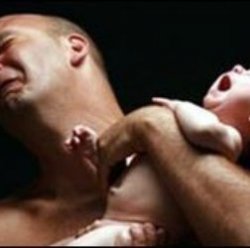
“Many new fathers experience postpartum depression along with their wives, however, most cases and remain undetected,” experts say.
American researchers, based on the information available to them, state that one in 10 fathers experiences postpartum depression. Although this rate is significantly lower than among women, it is higher than the number of known and detected cases.
They say that lack of sleep, as well as new responsibilities and helping a wife who is postpartum depressed, may be the reasons depression among fathers.
A team of researchers from East Virginia Medical School came to these conclusions based on data from 43 studies involving 28,004 parents from 16 different countries, including the UK and the US. As a result, they found that new fathers tend to feel very happy in the first weeks after giving birth, but become depressed about 3-5 months later.
By about the time a child is six months old, 10 to 25 percent of fathers are postnatal depression. It should be noted that a man will be more likely to develop depression if his wife is in the same condition.
Dr. James Paulson and Sharnal Basemore, who conducted the study, argue that more efforts should be made to get the work done with fathers who are at risk, as increasing evidence suggests that paternal postpartum depression can have a serious impact on emotional well-being the child, as well as on his behavior and development.
“If one parent is depressed, doctors should immediately focus on more than just how to help someone who is depressed. condition, but also on how to protect the second parent from this problem.” “In addition, all efforts should be aimed at working as a whole, that is, work should be done with the couple, and not with one of the parents,” experts say.
“The transition to parental status is one of the biggest and most serious changes a man and a woman can go through, but still little is known. , how this affects mental health and what percentage of people experience perinatal mental health problems,” says Bridget O'Connell, a mental health specialist at the center.
“New parents face the problem of lack of sleep, changes in lifestyle, as well as changes in their relationships and new responsibilities, and It all happens at the same time, and we don't always remember that it's equally difficult for both men and women.”
But Ellie Lee, a professor of social policy at the University of Kent, says it's important not to reduce ordinary human emotions to medical explanations and it is unnecessary not to dramatize. “Of course, in cases where serious illnesses, such as depression, are diagnosed, medical intervention is necessary for treatment, but, nevertheless, there is a tendency to excessive use of putting medical labels everywhere.”
“When they say that men have postpartum depression, this breaks the link with biology, because men were not pregnant, they did not have hormonal disorders, and they didn't give birth.” She added that modern men should “settle down” under other strains. “He is no longer just a breadwinner, they are usually expected to abstain from alcohol, attend every ultrasound and feel pain when a child is born, which is actually very stressful.”