
 Health
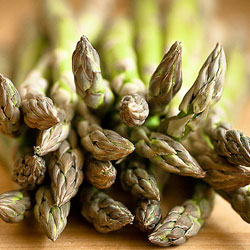
Asparagus could be a powerful new weapon in the fight against diabetes, experts say. Scientists have found that regularly eating this incredibly popular vegetable helps lower and keep blood sugar levels under control, as well as stimulate the body to produce insulin, a hormone that helps absorb glucose.
The amount of asparagus consumed in Europe has increased significantly over the past few years. This vegetable has a delicate flavor and has recently been shown to play a vital role in the fight against diabetes. Type 2 diabetes, which affects 90 per cent of all diabetics, has become increasingly common.
According to the charitable organization Diabetes in the UK, with the current increase in the number of cases in the country, there will be about 4 million patients by 2025, and 5 million by 2030. Many people who already have diabetes are not even aware of their condition, apparently because they cannot recognize symptoms such as fatigue, thirst, frequent urination, poorly healing wounds, and others.
The consequences of diabetes mellitus
If left untreated, type 2 diabetes can increase the risk of heart attacks, blindness and limb amputation. However, if doctors are able to recognize the disease in its early stages, it can be well controlled with diet and medication. Diabetes used to be considered a later age disease, but doctors today often see teenagers and young people with diabetes.

Fatty foods and an unhealthy lifestyle significantly increase the risk of developing diabetes.
In order to understand how asparagus deals with diabetes, scientists from the University of Karachi in Pakistan injected rats with special chemicals to cause diabetes, while they have there was little insulin production and blood sugar levels increased. Half of the animals were then given asparagus extract and half were given the diabetes drug glibenclamide.
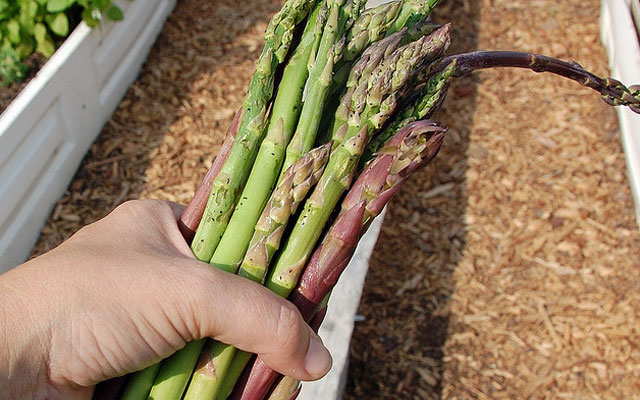
Rats consumed asparagus extract in small and large doses for 28 days. Blood tests then showed that they had some changes in the development of the disease. Small doses of asparagus extract reduced blood sugar levels but did not stimulate insulin production. Only large doses of the extract had a significant effect, stimulating insulin production by the pancreas, the organ that releases insulin that enters the bloodstream.

These studies support earlier studies that also showed the benefits of asparagus.