
 Science
We live our lives getting used to the idea that we will eventually die. Therefore, immortality has been an unattainable illusion for us since the very beginning of human existence as a species.
From childhood, we realize that life is valuable because it is fragile and can easily end. And we perceive dreams of immortality and the desire for it as futile attempts.
Those who for centuries have devoted themselves to the quest for immortality have been nothing but disillusionment. Many literally denied their lives in order to achieve illusory eternal life.
But what if immortality isn't an illusion? Thanks to the latest advances in genetics, we're just beginning to realize that life without death isn't all that fantastic.
Life without death
Why are we getting older and how can we stop it?
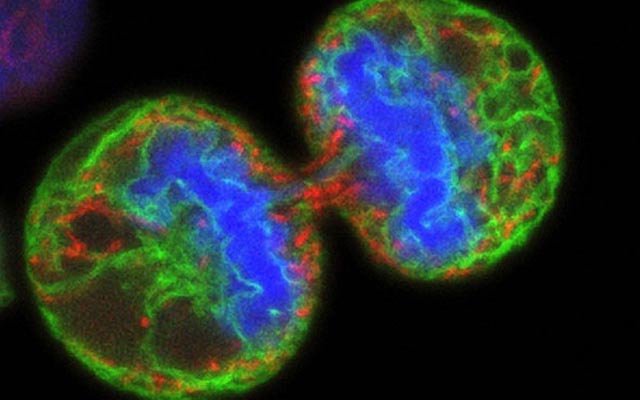
Throughout our lives, cells divide, as a result of which dead cells are replaced, which allows us to maintain our health and vital functions.
The cell nucleus contains special structures that store hereditary information, known to us as chromosomes. The chromosomes themselves are a complex complex that forms a substance called chromatin.
All you need to know to understand the gist of this article is that chromatin contains a DNA molecule with coded information that determines many of the characteristics of a human of the body.
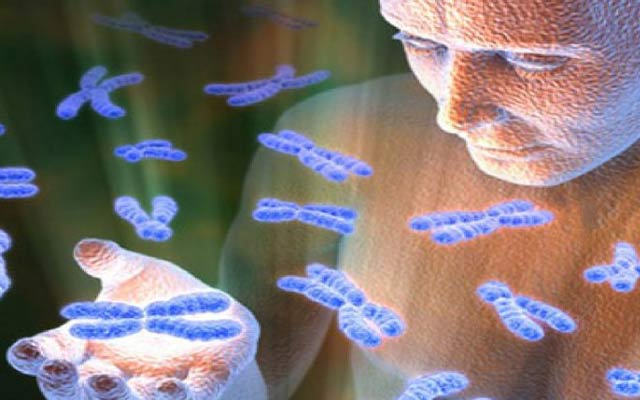
When cells divide, a section of the chromosome is formed that temporarily connects them. It's called a centromere. Each half of the duplicated chromosomes is called a chromatid.
At the end of each chromatid, there are telomeres — these are, in fact, the end sections of chromosomes, thanks to which, according to scientists, a person will be able to gain such a gift as immortality.
Telomeres are one of the most important parts of the entire structure. Telomeres, located at the ends of chromatids, prevent the breakdown of cells during cell division. However, this raises another problem.
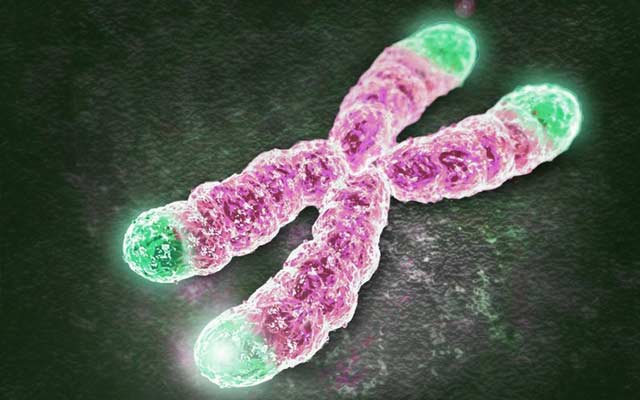
When cells divide, telomeres themselves break down. The human body does not have the ability to create new telomeres, so over time, normal chromosome replication is impaired. This is called aging.
See also: Worms will suggest the way to immortality
Scientists have known about this factor for quite some time. There are other factors that are responsible for the body's aging process, but telomeres are the most important.
In other words, if they can be preserved, it is highly likely that it will be possible not only to significantly extend a person's life. Most likely, that coveted immortality will come.
Life extension
The desire for immortality in wildlife
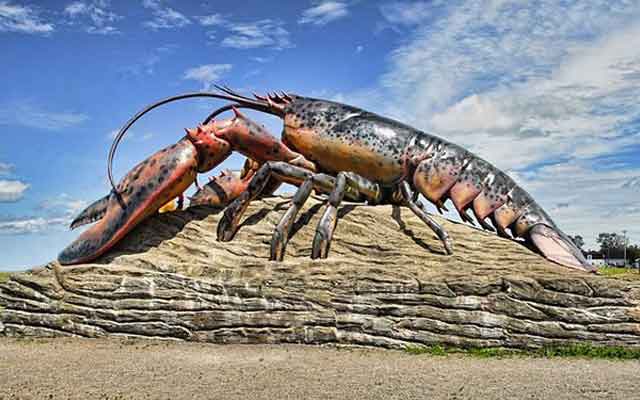
Lobsters continue to grow until they die. However, due to diseases and predators, lobsters will never be able to live forever. Turtle organs (that is, everything that makes up their body as a whole) are also hardly subject to wear and tear.
Like lobsters, turtles are theoretically able to live forever. To do this, diseases must be completely eliminated; and these animals should also be placed in an environment completely free from predators.
There are also other animals that demonstrate an amazing ability to regenerate. And if such opportunities were available to a person, he would be able to live forever.
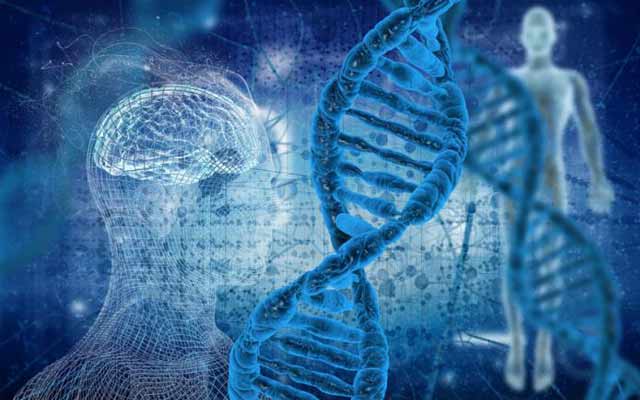
But why aren't we immortal? The answer lies in our genetic code. As soon as humanity learns to make certain changes to it, we will gain the desired immortality.
However, animals are one thing, and humans are quite another. At the same time, a very small group of people around the world have developed a rare genetic condition that slows down aging.
There is no doubt that biological immortality is neither an illusion nor an invention. Science knows that it is possible to live forever because these people do not grow or even age.
Scientists, as you would expect, are showing great interest in this phenomenon. In one case, we are talking about a man from the United States of America who, at age 29, has the body of a child under sexual age.
There is also a well-known case of a 31-year-old woman from Brazil who has a body similar to that of a little girl. However, in both cases, this “aging glitch” is associated with other genetic disorders and diseases.
Eternal life is no myth. How close is science to the goal?

Scientists have spent their entire lives studying this question. And science has indeed managed to prolong the lives of many organisms (including humans), successfully fighting diseases that were previously incurable.
But a person's real breakthrough on the path to immortality may come when we can defeat obesity, cope with heart diseases and finally deal with cancer diseases.
However, science and humans are not satisfied only with the extension of life. Science and humans want much more — immortality. It was this desire that made it possible to identify certain genes that are responsible for the aging processes of the body in the animal kingdom.
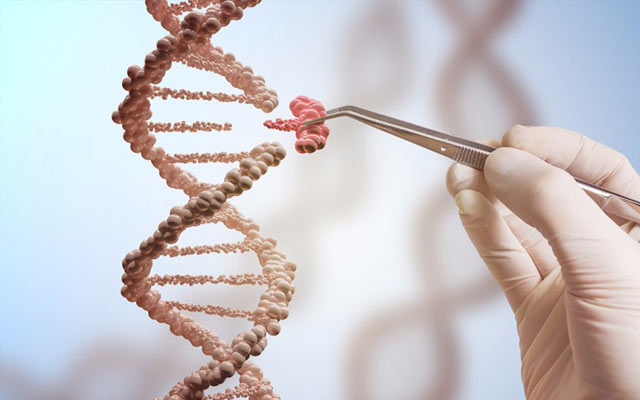
Moreover, as it turned out, similar genes are responsible for aging processes in both animals and humans. There is not much left to see in practice that the gene-related theory of aging also works in humans.
Unfortunately, this requires learning how to “turn off” the corresponding genes and “turn them on”. However, scientists are confident that progress will not be stopped, and therefore the time will come when people will be able to do this as well.
Read also: 10 people who tried to achieve immortality
Mankind knows the reasons why the body ages. They all have to do with our genetic code. This is why we know that aging is just a genetic mutation present in most species.
Scientists are confident that science will soon learn to avoid this obstacle. And pretty soon a person will be able to live forever. Almost forever! Of course, all other threats to life will remain, including illnesses, injuries and so on.
However, even in this case, science can help by offering humanity some kind of regenerative nanotechnology, replacing organs with artificial ones, and so on. We may not attain immortality even then. However, there are all chances to extend a person's life for a much longer period.