
 Science
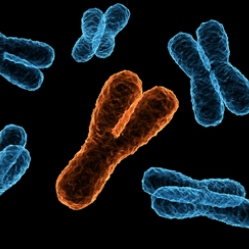
The Y chromosome is considered key in determining male sex. Scientists have found that only two Y chromosome genes are needed to reproduce. They also believe that they will be able to do without it in the near future.
For the study, they took male mice that were genetically modified so that they did not have a Y chromosome, which made them infertile.
Researchers at the University of Hawaii then added two genes to mice: Sry, which will lead to testicular growth, and eIF2S3Y to produce sperm.
Although the mice had smaller testicles and produced smaller and less developed sperm cells, the scientists found enough viable “swimmers” for in vitro fertilization. As a result, healthy and even fertile offspring were born.
Male chromosome
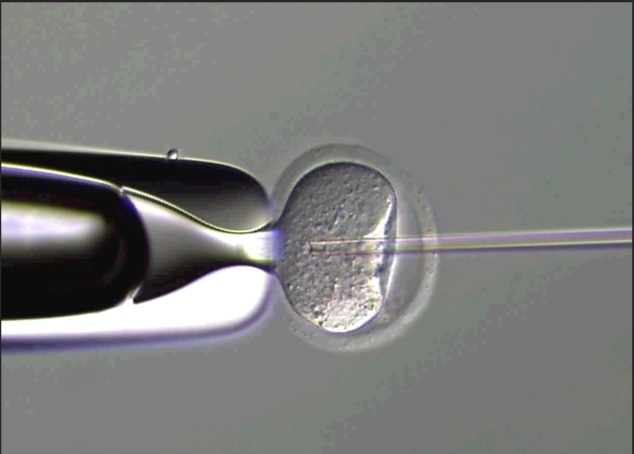
Professor Monika Ward, who conducted the study, believes that “it will be possible to get rid of the Y chromosome altogether” if the role of these genes can be reproduced in a different way. However, she added that “a world without men would be science fiction”.
While these findings may sound troubling for most men, they may offer new hope to men suffering from infertility.
Men will be extinct in 5 million years
“From a practical point of view, the study shows that reproduction is possible even after significant deletion of genes on the Y chromosome, which gives hope to men with the loss of a large amount of information in genes,” Professor Ward said.
Y chromosome
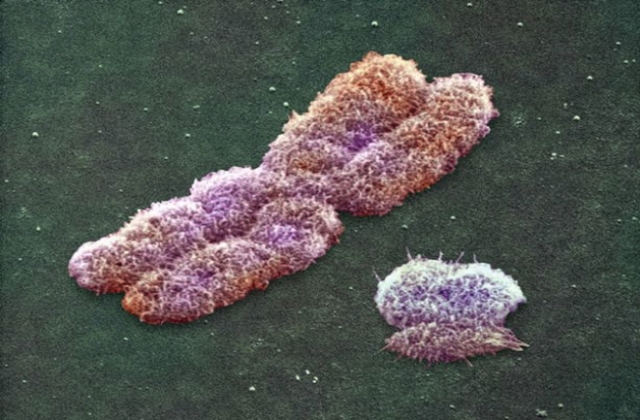
The Y chromosome is one of two chromosomes that determine sex in most mammals, including humans. The human Y chromosome consists of nearly 60 million basic pairs — the building blocks of DNA.
The Y chromosome in men has decreased significantly during evolution. 300 million years ago, the Y chromosome contained more than 1,400 genes, and now there are about 45. If this trend continues, the male half of humanity could disappear from Earth in 5 million years.
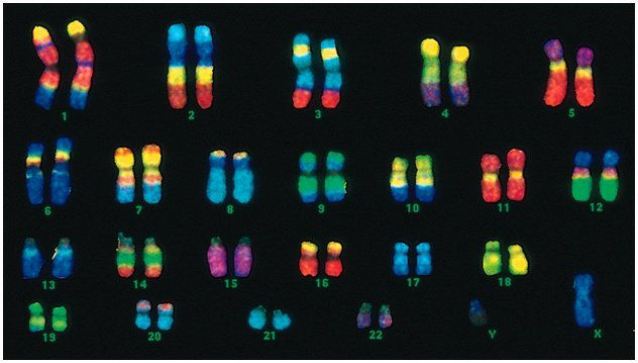
Humans have 23 pairs of chromosomes, which is 46 chromosomes in one person.
Although men and women have the same number of chromosomes in their bodies, men have one Y chromosome and one X chromosome, while women have two X chromosomes.