
 Events
Russian scientists have discovered a new form of life unknown to science in Lake Vostok in Antarctica.
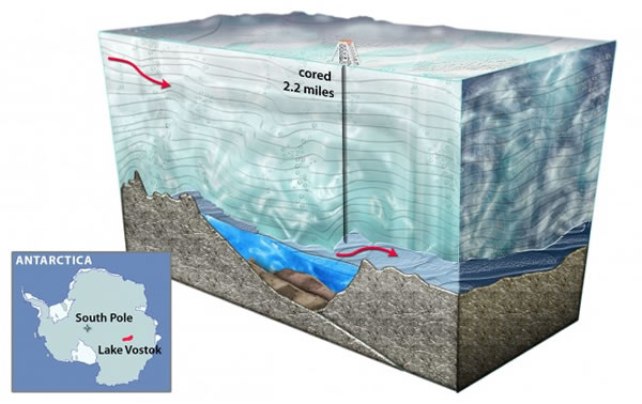
After more than 20 years of drilling, the researchers reached Lake Vostok, which is under 4 kilometers of ice.
A preliminary analysis of water samples obtained in May 2012 contained bacteria with DNA that were significantly different from any known species.
“The species of bacteria whose traces were found in the lake cannot be attributed to any of the more than 40 bacterial subkingdoms,” said Sergey Bulat, a researcher at the St. Petersburg Eukaryotic Genetics Laboratory Institute of Nuclear Physics.
He explained that after all possible elements of contamination were excluded, bacterial DNA was discovered that does not match any known species in the global database.
“This form of life is called unidentifiable and unclassifiable,” the scientist said.
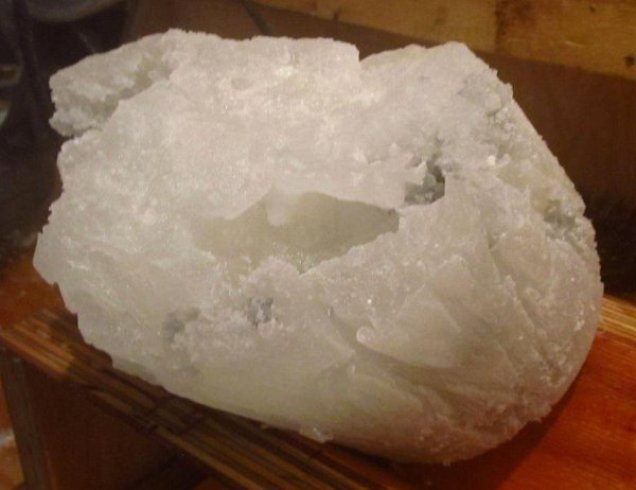
A total of 7 fragments of the same type of bacteria were taken in water frozen on a drill bit that was used in 2012 to reach the lake. The DNA coincidence with any known organism did not exceed 86 percent, while the similarity of less than 90 percent already indicates that this form of life is unknown.
“If it were found on Mars, it would be called Martian DNA. But this DNA was found on Earth,” Bulat said.
Lake Vostok drilling in Antarctica
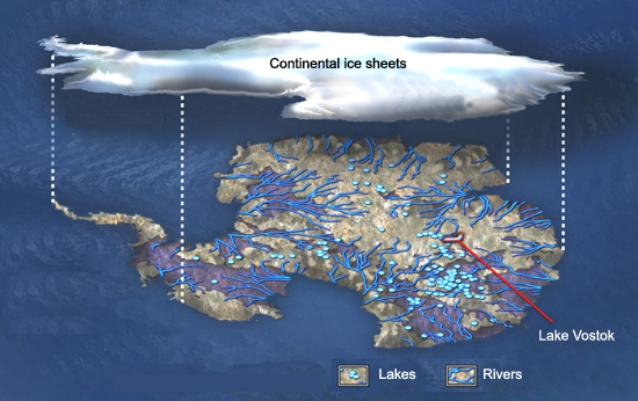
Lake Vostok, with an area of 15,500 square kilometers, a length of 250 km and a width of 50 km, is located in a remote area of the Antarctic station Vostok in Antarctica.
This is one of the largest subice lakes in Antarctica, which is under a 4,000 m thick layer of ice and is about 1,200 meters deep.
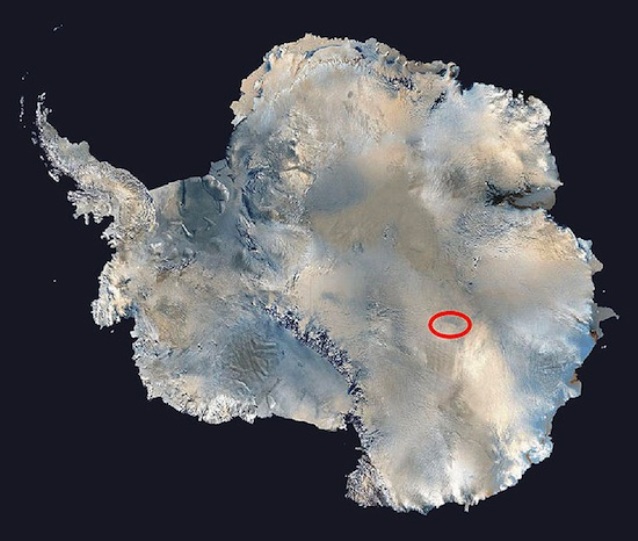
– The lake was formed about 20 million years ago and has been isolated from the outside world for at least 500,000, maybe millions of years.
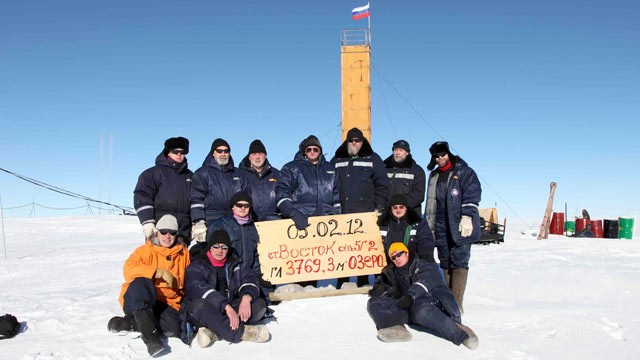
– The first drilling of a well in Lake Vostok began in 1989, when scientists were not yet aware that the lake was located there.
– It took 23 years to walk through the ice under which the lake is located.
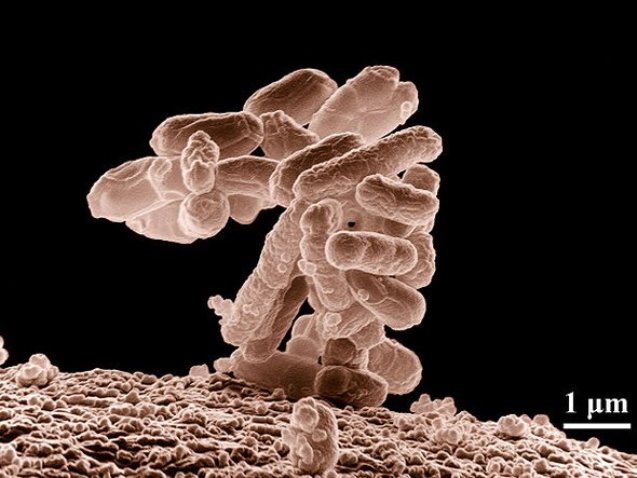
– Scientists assumed that the lake preserved unique microorganisms that adapted to extreme conditions in complete darkness. Because they may have developed in isolation from other forms of life, they are unique species on Earth.
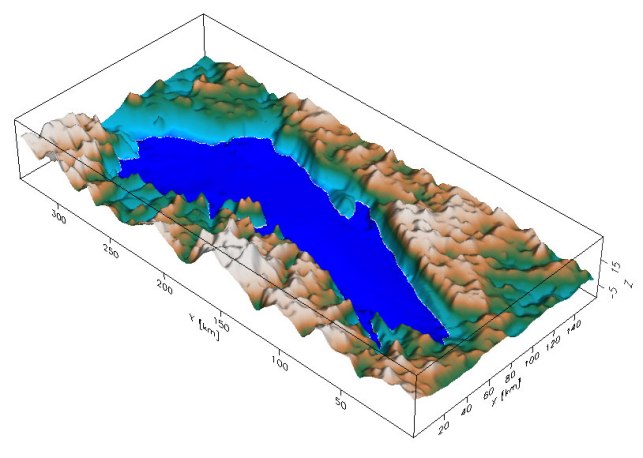
– Since subice lakes are an “extreme environment”, if life is found in samples from the lake, this can serve as proof of life in other regions of the solar system: in water at Mars, Saturn's moon, Enceladus, and Jupiter's moon, Europe.