
 Incredible facts
A 49-year-old man from Brazil showed pathological generosity after a stroke damaged part of his brain.
According to his wife, he began to over-distribute money, as well as food and drinks to children on the street.
Doctors found that as a result of the stroke, an area of the brain responsible for higher thinking and decision-making was affected. Mr A. (whose name is not disclosed) stopped coping with the financial side of his life and was unable to resume work for a large corporation.
Researchers at the Federal University of Rio de Janeiro have concluded that a man suffers from “excessive and constant generosity”.
“A stroke can cause a range of neuropsychological and behavioral changes,” explained Dr. Larry Goldstein. “And while there's nothing unusual about personality changes, this case appears to be something new.”

Personality changes after a stroke usually depend on the extent of the brain injury.
A person after a stroke
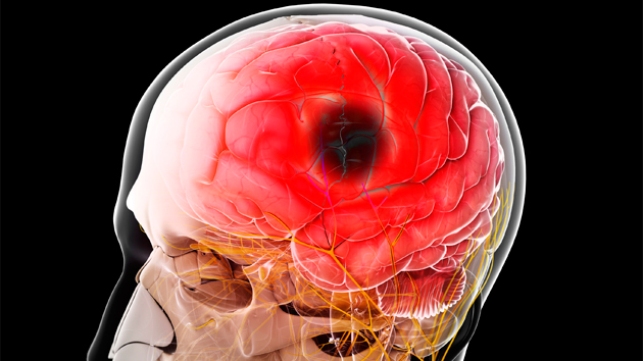
A stroke occurs when a blood clot blocks blood supply to the brain or when a blood vessel in the brain ruptures.
Brain damage caused by reduced oxygen supply can lead to emotional changes, often depression, as well as pathological laughter or crying, a syndrome of neglect, in which a person does not respond to signals from one half of the visual field.
A person who is unable to feel sad
In Mr. A.'s case, the stroke resulted in bleeding in the brain due to high blood pressure. Doctors have determined that the stroke occurred in the subcortical region and probably affected the part that regulates human behavior.
The man also stated that he did not want to return to work because “he has worked enough” and now it is time to “enjoy life that is too short”.
Mr. A. was also depressed, forgetful, and unable to focus. After treatment, his symptoms of depression went away, but this did not affect his generosity.