
 Unbelievable facts
Many of us saw, or maybe even made, paper airplanes and launched them while watching them float in the air.
Have you ever wondered who was the first to create a paper plane and why?
Today, paper airplanes are made not only by children, but also by serious aircraft manufacturers – engineers and designers.
You can find out how, when and why paper airplanes were used and are still used here.
Some historical facts related to paper aircraft
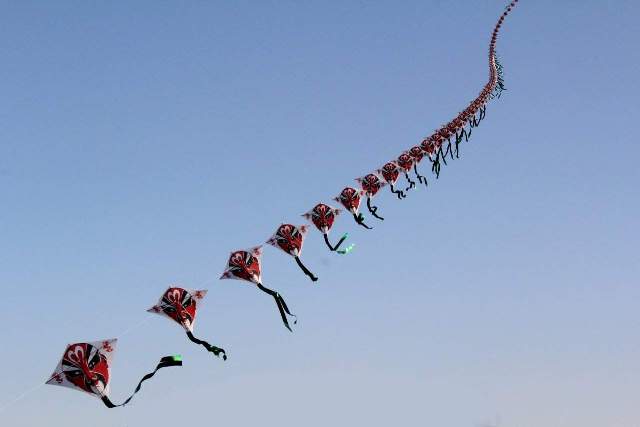
* The first paper airplane was created about 2,000 years ago. It is believed that the first people who came up with the idea of making airplanes out of paper were the Chinese, who were also fond of creating flying snakes from papyrus.
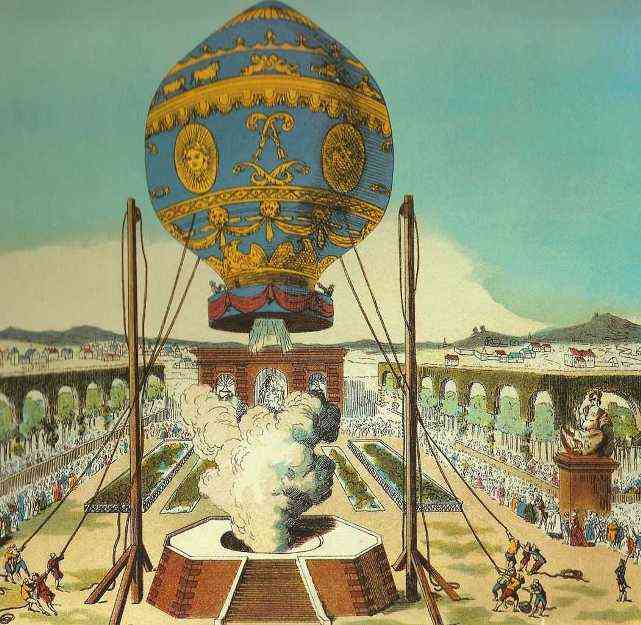
* The Montgolfier brothers Joseph-Michel and Jacques-Etienne also decided to use paper for flights. They were the ones who invented the balloon and used paper to do so. This happened in the 18th century.
Read also: The first plane, the drawings of which will be publicly available for free
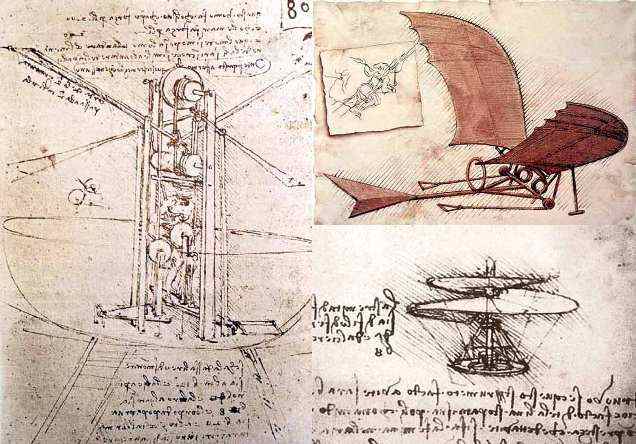
* Leonardo da Vinci wrote about using paper to create models of an ornithopter (aircraft).
* In the early 20th century, magazines about flying machines used images of paper planes to explain the principles of aerodynamics.
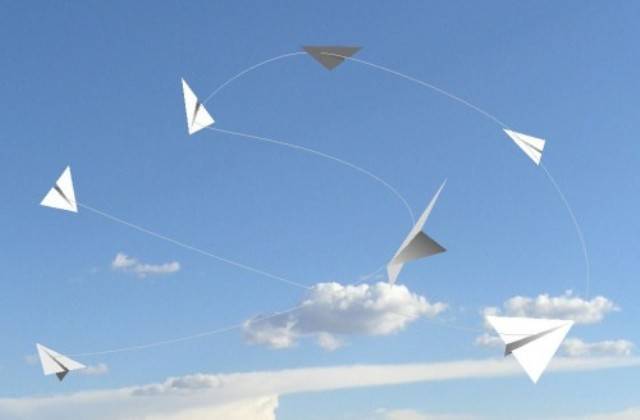
See also: How to make a paper airplane
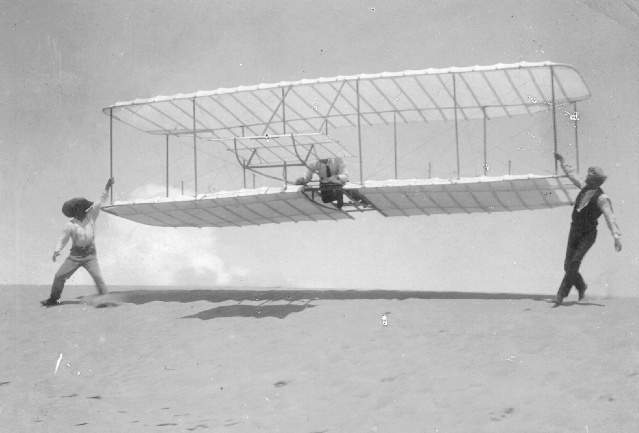
* In their quest to build the first flying machine capable of carrying a person, the Wright brothers used paper planes and wings in aerodynamic tunnels.
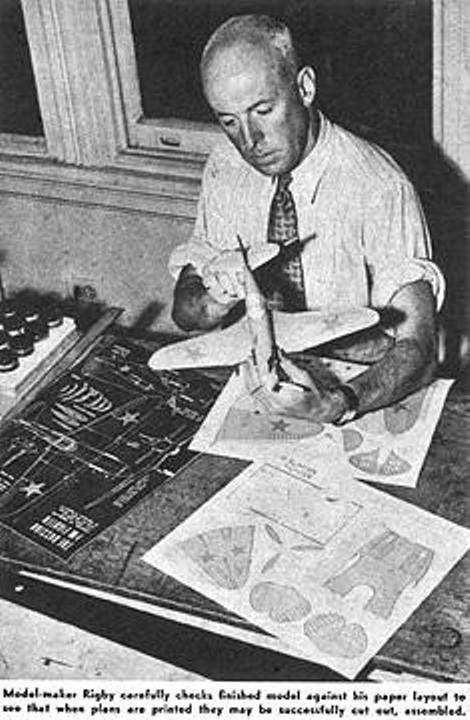
* In the 1930s, English artist and engineer Wallis Rigby designed his first paper plane. This idea seemed interesting to several publishers who began to collaborate with him and publish his paper models, which were quite easy to assemble. It should be noted that Rigby tried to make not only interesting models, but also flying ones.
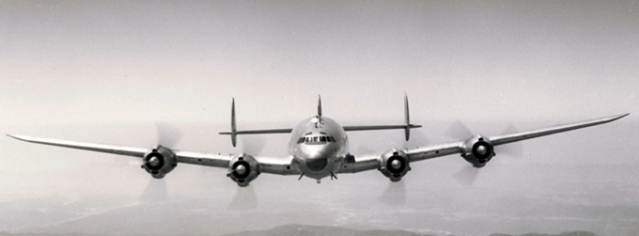
* Also in the early 1930s, Jack Northrop of Lockheed Corporation used several paper models of airplanes and wings for testing. This was done before the creation of real large aircraft.
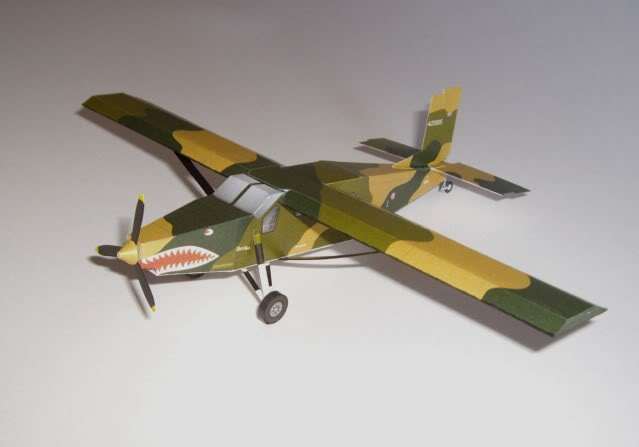
* During World War II, many governments restricted the use of materials such as plastic, metal, and wood because they were considered strategically important. Paper has become widely available and very popular in the toy industry. This is what made paper modeling popular.
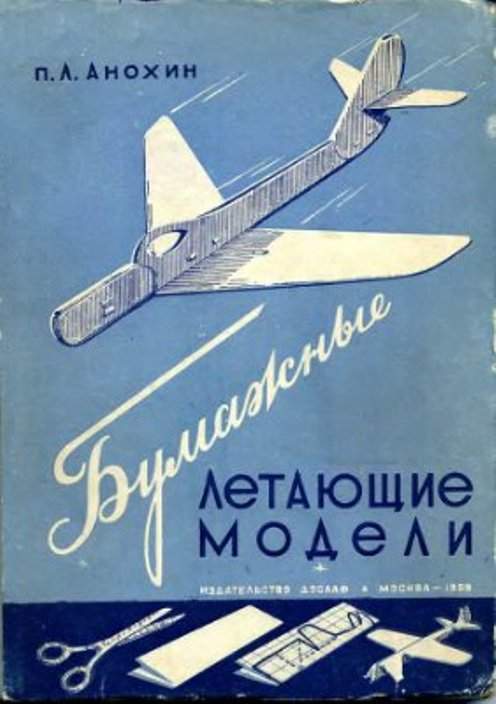
* Paper modeling was also very popular in the USSR. In 1959, a book by P. L. Anokhina “Paper flying models”. As a result, this book has become very popular among modelers for many years. It was possible to learn about the history of aircraft construction, as well as paper modeling. All paper models were original, for example, you could find a flying model made of Yak paper.
Unusual facts about paper aircraft models
* According to the Paper Aircraft Association, a paper plane launched into outer space will not fly, it will plan in a straight line. If a paper airplane doesn't collide with an object, it can float in space forever.
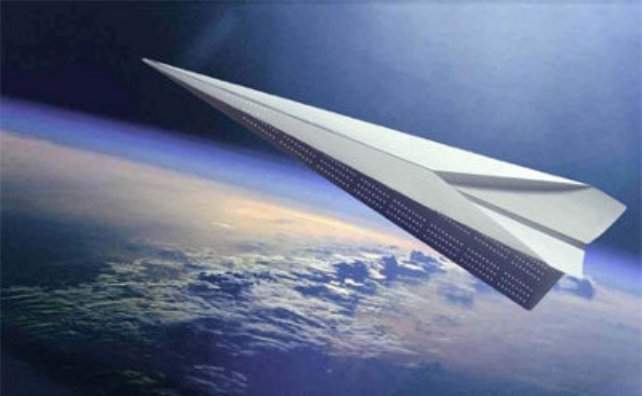
* The most expensive paper plane was used on a space shuttle during another space flight. The cost of the fuel used to get the plane into space by shuttle alone is enough to call this paper plane the most expensive.
Read also: 10 unusual airplane cemeteries
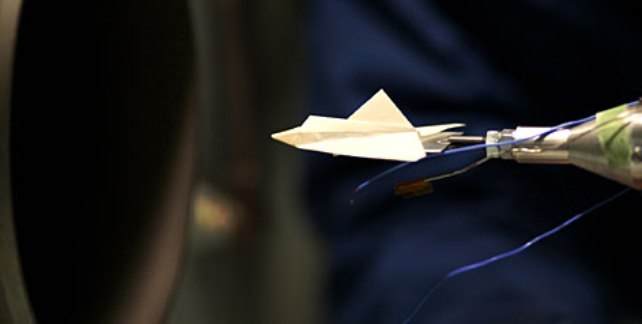
* The paper plane's largest wingspan is 12.22 cm. The plane with these wings was able to fly almost 35 meters before colliding with the wall. This aircraft was made by a group of students from the Faculty of Aircraft and Rocket Engineering from the Polytechnic Institute in Delft, the Netherlands.
The launch took place in 1995, when the aircraft was launched inside the building from a platform 3 meters high. According to the rules, the plane was supposed to fly about 15 meters. If it weren't for the limited space, it would fly much farther.
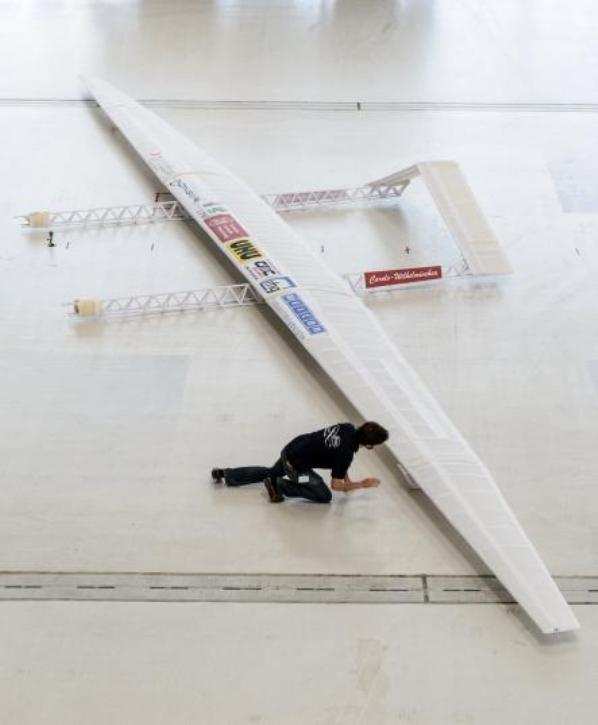
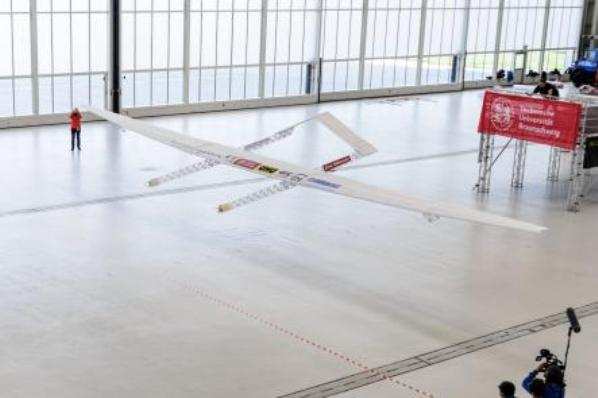
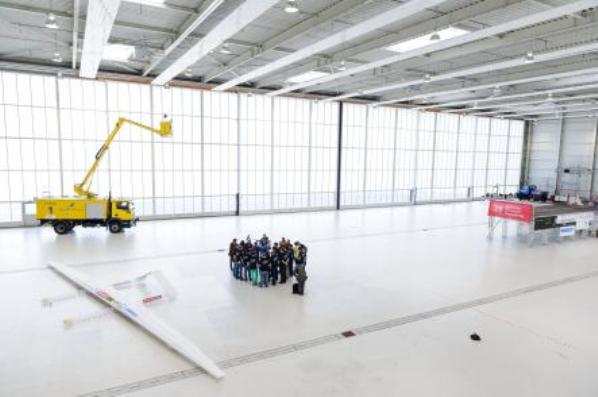
* Scientists, engineers, and students use paper airplanes to study aerodynamics. The National Aeronautics and Space Administration (NASA) sent a paper plane into space on a space shuttle.
* Paper airplanes can be made in various shapes. According to record holder Ken Blackburn, airplanes made in the shape of an “X,” a hoop, or a futuristic spaceship can fly, just like simple paper planes, if they do it right.
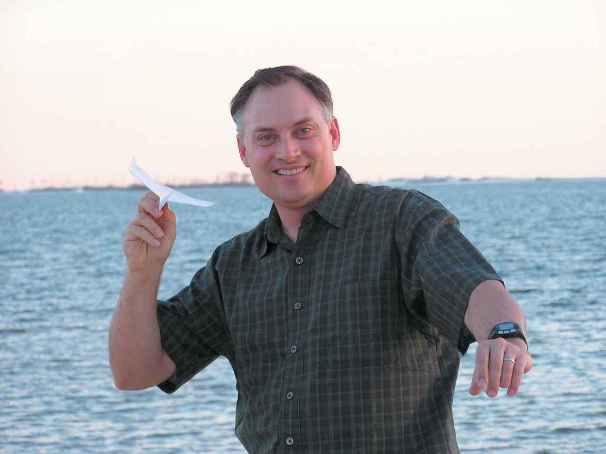
* NASA experts, together with astronauts, held a master class for schoolchildren in their research center's hangar in 1992. Together they built large paper airplanes with a wingspan of up to 9 meters.
* The smallest paper origami airplane was created under a microscope by Mr. Naito from Japan. He made an airplane out of a sheet of paper measuring 2.9 square millimeters. After production, the airplane was placed on the tip of a sewing needle.
* The longest paper plane flight took place on December 19, 2010, and was launched by Takuo Toda of Japan, who is the head of the Japan Origami Aircraft Association. The flight duration of his model, launched in Fukuyama City, Hiroshima Prefecture, was 29.2 seconds.
How to make a Takuo Toda airplane
The robot assembles a paper plane