
 Ecology
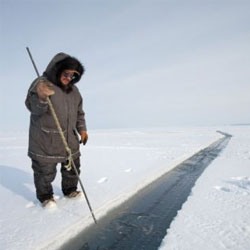
Global warming is causing heavy rains, accelerating snow melting in the Arctic, and residents of northern Canada – Eskimos who call themselves “Inuit” – are facing the spread of diseases, caused by pathogens that enter the surface of water and land.
New research supports other studies that suggest that Aboriginal people around the world are affected differently by climate change. This is because many of them live in areas where global warming is felt first and the impact of climate change is felt more strongly. These people are in greater contact with nature than those who live in cities. For example, some local communities do not use purified water because the nearest cities are very far away.
In northern Canada, Inuit drink mostly stream water rather than purified tap water. They often go hunting or fishing, where there is no access to purified water at all.
Scientists believe that the experience of Inuit and other Aboriginals in dealing with climate change can help the rest of the world's population cope with the consequences of global warming that is coming soon will affect everyone.
Weather and diseases
New research is the first to find a link between climate change and diseases that are becoming more common in northern Canada. Until then, very little was known about waterborne diseases in the Arctic. Scientists want to see if changing behavior can improve things in the future.
Scientists have also conducted a number of similar studies in other parts of the world: among aboriginals in Uganda and Peru. According to preliminary data, these peoples, like the Eskimos, are experiencing the negative impact of climate change on health.
During the research, scientists recorded weather conditions and temperature using meteorological stations, took water samples every week, and collected data on patients admitted to hospitals with vomiting and diarrhea. Scientists also conducted a survey among local residents to learn more about their lifestyle.
After analyzing all this data, scientists found interesting things. For example, after a period of heavy rain and rapid snow melting, bacteria (such as E. coli) increase in the water, and diarrhea and vomiting increase in about 2-4 weeks.
In Uganda, families who do not keep livestock in shelters are about 3 times more likely to become ill after a period of heavy rains. It appears that pathogens from animal faeces seep into drinking water.
The research is part of a program to help Aboriginal people cope with climate change, which aims to help local people learn more about the effects of global warming and protect their health. One strategy for fighting pathogens could be building barriers and sheds for animals or access to reliable drinking water sources.