
 Ecology
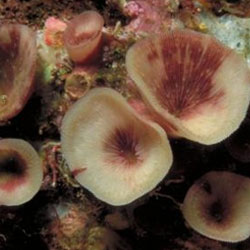
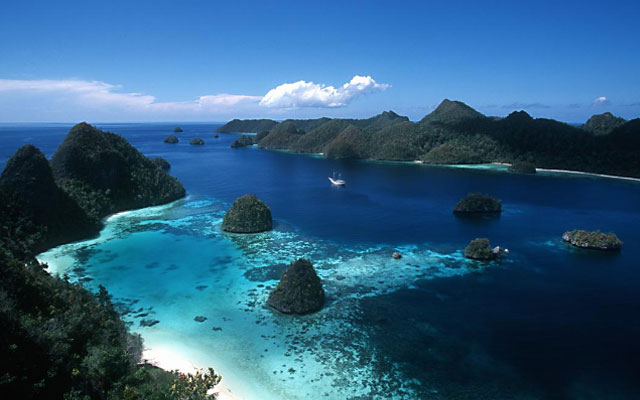
Newly discovered reef corals hang from the ceiling of underwater caves, making them look like colonies of petrified bats. These upside-down corals live in a biodiversity-rich corner of the planet called the Coral Triangle in the Western Pacific Ocean.
Cave corals, called Leptoseris troglodyte, have other strange features besides hanging “upside down”. These creatures lack neighbors — symbiotic algae — zooxanthellae — on which many other types of coral polyps depend.
The stalactite-like dwellings of these coral polyps may explain why algae did not live near them. Without algae, corals can grow more slowly, which reduces competition among them for the cramped space of the cave, suggested Bert W. Hoexema (Bert W. Hoeksema), who discovered a new species. The absence of algae can also help corals stay suspended from the cave ceiling by keeping them small.
Understanding how this new species of coral polyps can survive without symbiotic algae will help oceanographers learn more about coral bleaching. When the water gets too warm, the algae die and the corals remain like white bones. With the world's oceans warming, solutions must be found to protect reef ecosystems, because they are very important for many reasons, not to mention supporting fishing industry, attract millions of tourists and so on.