
 Useful tips
You left your seemingly safe lair and went outside to buy groceries or other important items.
Here you'll learn how and what to disinfect and clean after returning home to reduce the risk of viruses spreading to your home.
The material has an informational and reference function! Before using any products or services, you should consult a specialist!
Disinfection and/or cleaning
Keeping your distance and trying not to leave your home often is very important to reduce the spread of the virus. In addition, it is very important to clean and disinfect everything new that enters your home.
Scientists and the medical community agree that proper hygiene is an important step in the fight against the spread of the virus.
Meghan A. Meghan A. May, PhD and professor of microbiology and infectious diseases at the College of Osteopathic Medicine at the University of New England, says SARS CoV-2 is very sensitive to many disinfectants, including alcohol-based sprays and gels, as well as for detergents and cleaners, bleach-based products and heat.
The Center for Disease Control and Prevention reports that cleaning dirty surfaces and then disinfecting them is the best measure to prevent COVID-19 and other viral respiratory infections diseases in households and public places.
What's the difference
Cleaning refers to removing dust, dirt and other impurities from surfaces, but it does not kill germs, but rather helps reduce their number and the risk of spreading infection.
Disinfection means using chemical disinfectants to kill germs on different surfaces.
IMPORTANT: Since many cleaners and disinfectants are harmful to the skin, it is best to wear disposable gloves when using them. Be sure to throw away gloves after each use, and wash your hands immediately.
Here you'll learn everything about cleaning and disinfecting when you get home from the street.
12.
Wash your hands
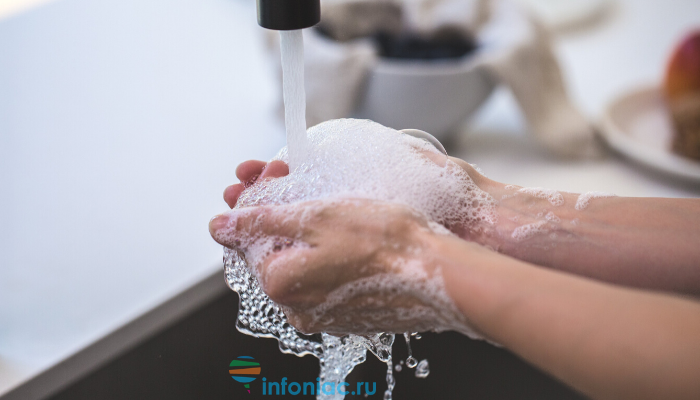
Soap and water should always come first. Alternatively, an alcohol-based disinfectant containing at least 60% isopropyl alcohol can be used.
Wash or wipe your hands thoroughly for 20 seconds, washing the front and back of your hand, between your fingers and under your fingernails.
Don't touch your eyes, nose, or mouth until your hands are clean. After you come from the street or after processing food, packaging and disinfecting things, be sure to wash your hands.
Read also: How often do you need to wash pillows and how to do it correctly?
11.
Disinfect your smartphone
Avoid leaving your phone anywhere but in your pocket or bag. Do not place it on a table or chair in a public place, on transport tapes at the checkout, on shelves, carts, or ATMs.
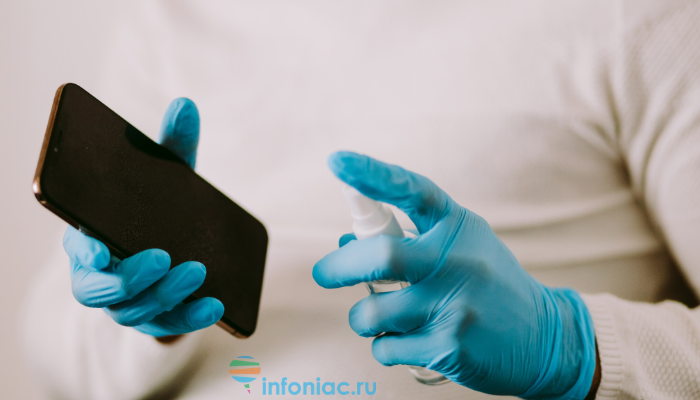
When you get home, use alcohol-based disinfectant wipes that contain at least 70% isopropyl alcohol to disinfect your phone. Be sure to wipe off the case and especially the screen. Disinfect your phone at least once a day, even when you haven't left home.
10.
Purse and purse
Before the COVID-19 pandemic, an ordinary handbag was one of many everyday items dirtier than an office toilet.
As with your phone, try to keep your bag or wallet with you, don't put it in a shopping cart, or put it on shelves or ATMs. When you get home, you will need to clean it, but before that you need to read the manufacturer's instructions carefully to understand what you can and can't use for cleaning, as this is largely depends on the material.
Keep such items away from kitchen tables and countertops and wash your hands every time you touch them.
9.
Grocery bags

Try to go to the store with your bags or bags, and if you already do, then it is recommended to wash them in the washing machine or at least wipe them with a disinfectant after each use.
Also, try to clean and then disinfect any surface on which you put food bags (countertop, floor, or table). According to experts, the virus can remain on paper bags for about 24 hours, so get rid of them as soon as possible.
Read also: 20 daily habits of people who rarely get sick
8.
Groceries from the store
It should be noted right away that fruits and vegetables can simply be washed under running water.
Disinfect all packages within reason, but do not use chlorine-containing products, soaps, or other disinfectants. Dr. Sanjay Gupta, CNN's chief medical correspondent, suggested setting up a “dirty” and “clean” area in the kitchen when you brought groceries from the store.
Put jars, boxed goods and other packaged products in the dirty one. When cleaning the surface of each package, then disinfect it with an alcohol-containing cloth, and then put everything in a clean area of the kitchen.
Avoid touching your face during this process and then sanitize everything in the dirty area when you're done. At the end of the process, as you probably guessed it, wash your hands.
7.
Car
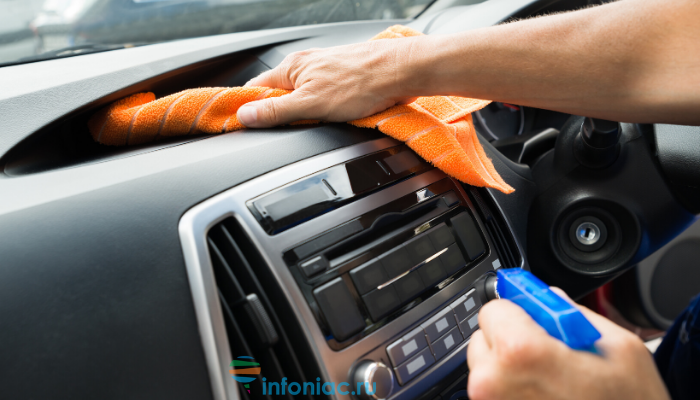
Experts say that the virus can live on a plastic steering wheel for about 75 hours, and on a car door for about 40 hours.
In addition, it's worth remembering that when you left the store, you probably touched the keys, seat belt, seat, gear lever, sun visor, touch screen, holders for cups and other items in the car.
Use disinfectant wipes on everything except skin and touchscreens.
6.
Eyeglasses and sunglasses
Experts say the virus can stay on your glasses or sunglasses for up to 75 hours.
When you get home, they advise you to wash your glasses with soap and hot water for better disinfection, but you can also use an alcohol wipe for this, but you can't touch the glasses — for them it is better to use a special liquid.
5.
Apparel
Now pay attention to yourself. It is best to wash clothes in a washing machine with hot water and dry them in the warmest conditions. In addition to laundry detergent, it is recommended to add bleach for white fabrics, towels and sheets.
Whatever you do, don't mix bleach and white vinegar. Experts warn that it is not necessary to shake dirty clothes, as this can spread the virus through the air. Wash your hands after touching dirty clothes.
Read also: How long does coronavirus live in clothes and can laundry detergents kill it?
4.
Footwear
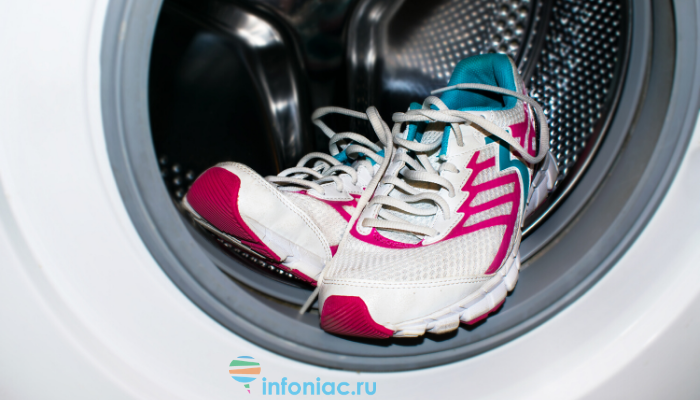
As with your wallet and purse, disinfecting shoes is not easy. If you have washable shoes, try to wear them and wash them with your outdoor clothes.
Otherwise, it's best to remove all shoes from the hallway as soon as you come from the street and place them in a plastic bag.
3.
Ornaments
It's important to keep your jewelry cleaner than ever, especially rings and bracelets. Simply washing your hands with jewelry may not be enough — germs can hide in crevices and between your skin and metal.
Clean jewelry and gemstones according to the manufacturer's instructions, and best of all, do not wear jewelry during the pandemic. Hard gemstones such as diamonds, rubies and sapphires can be cleaned with isopropyl alcohol, but it is best to consult a specialist (jeweler).
Learn how to clean silver HERE, and find out how to clean gold correctly HERE.
2.
Points of touch
Think about all the items you touched while walking home from the store or walking—gates, doors, door handles, switches, and so on—and then start disinfecting them with sprays or with napkins. Then go again and wash your hands.
1.
The body
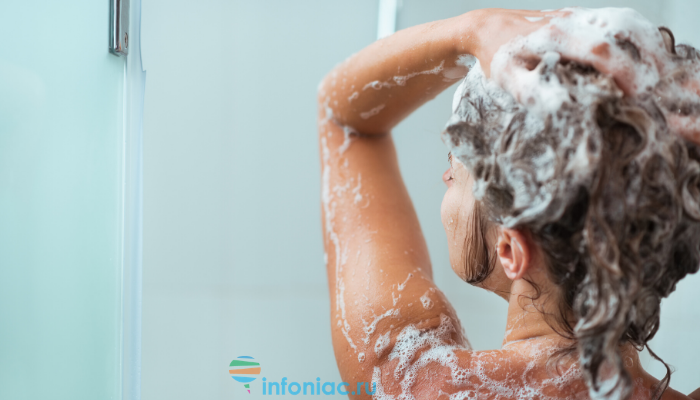
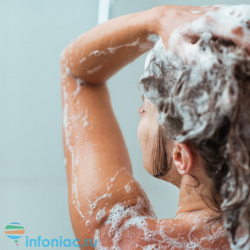
Now that everything you've touched is as sanitized as possible, it's time to think about how to cleanse your body. During the pandemic, it is recommended to take a shower and wash your hair whenever possible when you return from the street. If your skin and hands get dry when you wash and bathe frequently, use a moisturizer.