
 Ecology
Tons of waste are dumped into oceans, seas and rivers every year. People cut down forests, destroy animals and rob them of their habitats. Is our planet, our home, really in mortal danger? The following 10 facts will answer this difficult but very important question.
Environmental facts
1. Restoring forests = restoring life.
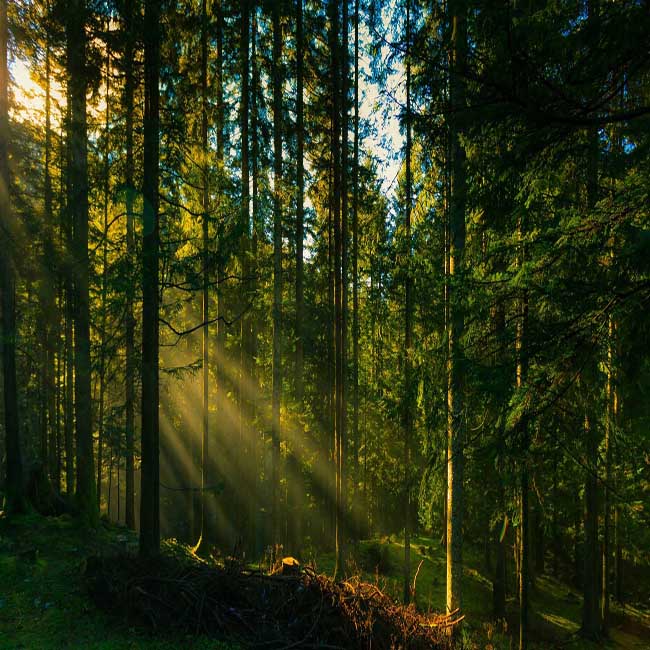
Despite the fact that deforestation is a huge problem, people are increasingly thinking about ways to solve it. What exactly are people doing to protect the environment? Surprisingly, the world develops more than 52,000 square kilometers of forests every year.
Many modern companies are looking for ways to replace existing products obtained through deforestation with more sustainable ones, due to the fact that the amount of resources on the planet is is rapidly declining.
2. Environmentally friendly products are a revolution in the global market.

Experts believe that environmentally friendly products will soon occupy more than 45% of the global market. For example, if newspapers were recycled, more than 250 million trees could be saved each year. This is unbelievable.
Nowadays, many manufacturers use alternative processing methods and raw materials, for example, create a combined material from plastic and wood residues that is more stable and lasts longer retains color than traditional ordinary wood products.
3. Wildlife conservation is a tribute to our smaller brothers.

Over the past 100 years, more than 50 species of birds, fish and wildlife have disappeared from the face of the Earth. Humans played a major role in their extinction by cutting down forests, hunting and destroying their habitats. However, there's a light at the end of the tunnel. Many organizations and groups, as well as individual politicians and businessmen, are fighting to preserve more than 1,200 endangered animal species.
By the end of 2010, only about 3,000 tigers were left in the wild. That is why the leaders of many states have decided to make every effort to double the tiger population by 2022.
4. High-quality waste processing and disposal as a way to earn money and save the planet.

Every year, thanks to the processing and composting of various materials, the world uses more than 180 million tons of carbon dioxide (CO2). This is six times less than cars are produced in a year.
The average person throws away about two kilograms of garbage every day. Fortunately, there are various ways to recycle and recycle just about everything we use. Some of them can not only solve environmental issues, but even generate income. Everything from plastic bottles to old computers can be recycled, and paper recycling significantly reduces the use of new wood and, consequently, deforestation.
Future energy
5. Using solar panels — pros and cons.
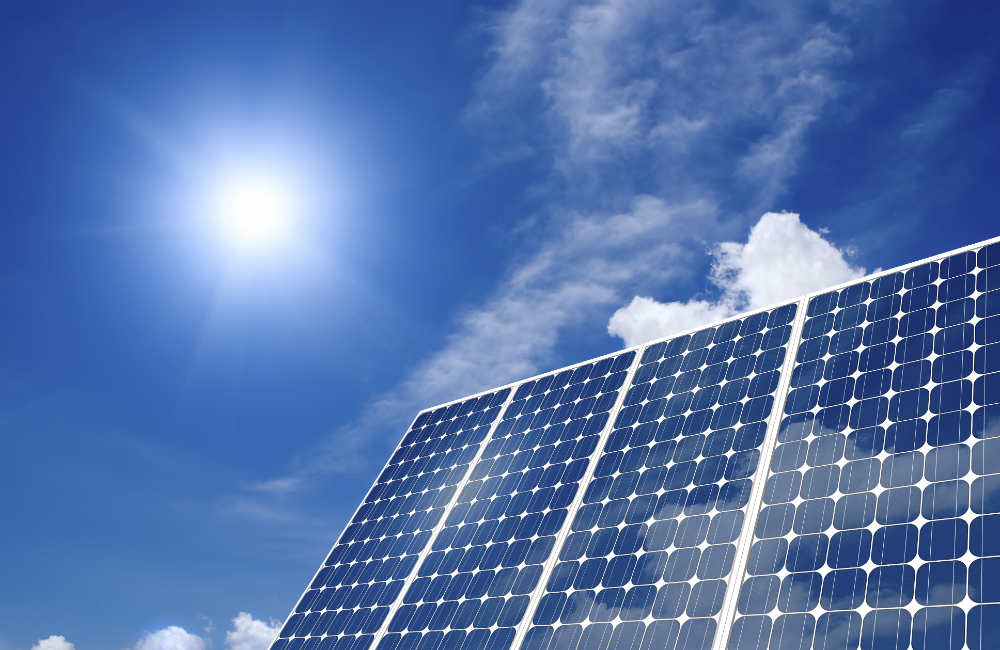
Many solar panels are capable of producing more than 2,000 megawatts of electricity — enough to power a million homes. Like the wind, the sun is an inexhaustible natural resource, but is not accessible to all states due to climatic conditions.
Solar panels operate without fuel and do not produce waste. That is why they are, although expensive, a profitable and environmentally friendly source of electricity.
6. Wind energy is a worthy substitute for other types of production.
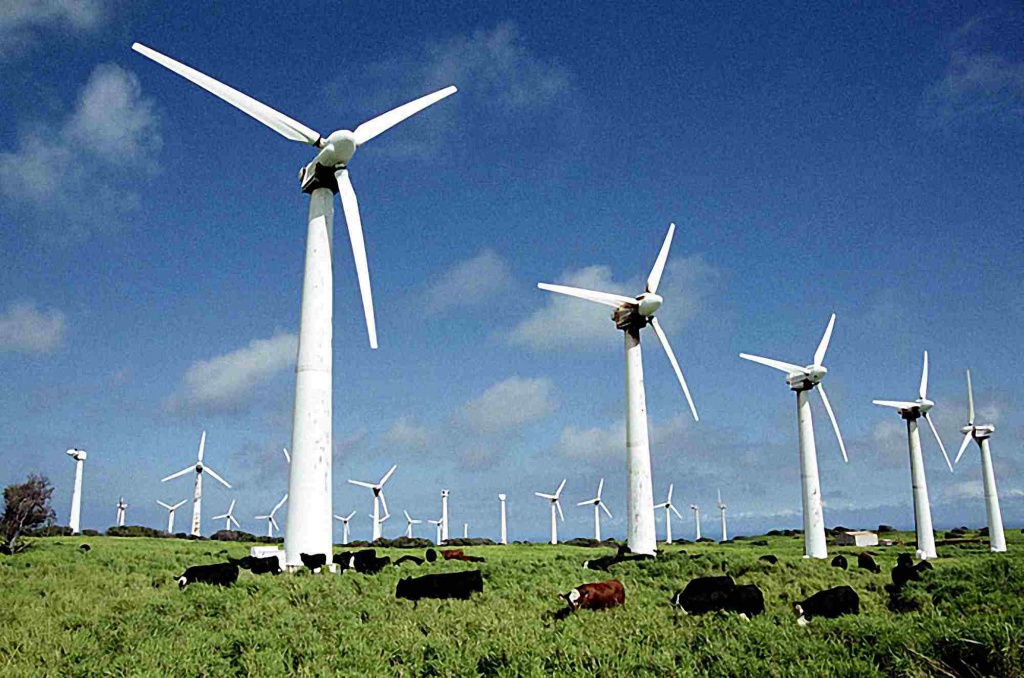
It is necessary to understand that wind, as well as solar energy, is an inexhaustible and renewable resource, which means that it can produce inexpensive and safe electricity. At the same time, unlike solar energy, this resource is available both day and night and its use is growing rapidly every year.
7. Geothermal energy production is developing — what are the advantages?
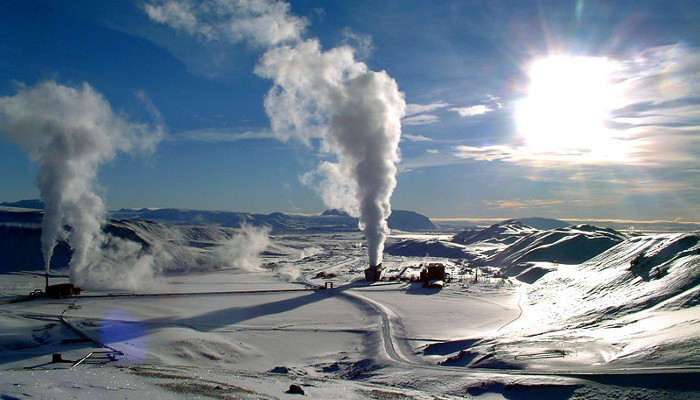
Another unusual type of energy that is safe for the environment is geothermal energy, which is obtained from thermal energy contained in the depths of the Earth. In 2015, its production increased by 4% and continues to grow.
In fact, the use of thermal energy is more stable than the use of solar or wind energy. Its production is most profitable both in financial terms and in the amount of product obtained at the output. It is the cleanest, safest and most effective.
What people are doing to protect the environment
8. How do you get rid of an ocean of garbage?
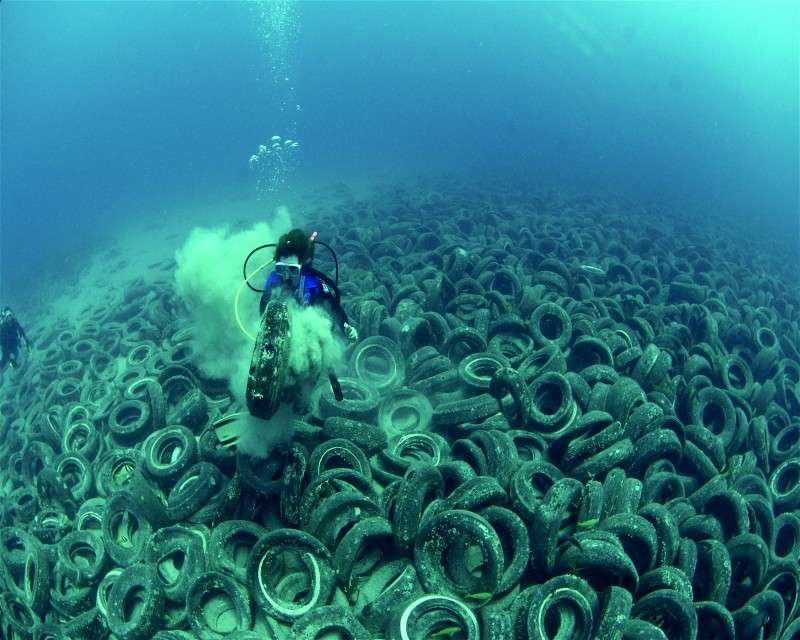
It is impossible to completely clean the ocean, but we can make it cleaner and safer. It is believed that the total weight of waste entering the ocean will soon exceed the weight of its inhabitants. Most of the garbage is at the bottom. Fortunately, this problem can and should be addressed. For example, several years ago, California passed a law banning the use of disposable plastic bags, which significantly reduced water pollution.
9. Is it possible to control the use of CO2? The answer is yes!
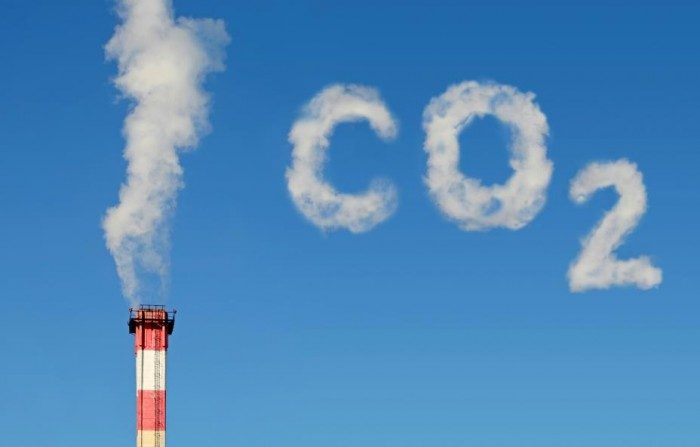
In 2017, the US recorded a significant decrease in emissions of harmful gases, which caused significant environmental pollution. However, despite this, the release of vapors and gases into the atmosphere is still a big problem.
Countries like China and Japan are fighting against dirty air and smog every day. Fortunately, progress does not stand still and every year there are new types of energy production that do not bring serious consequences in the form of toxic gas emissions.
10. Global warming is not a verdict!
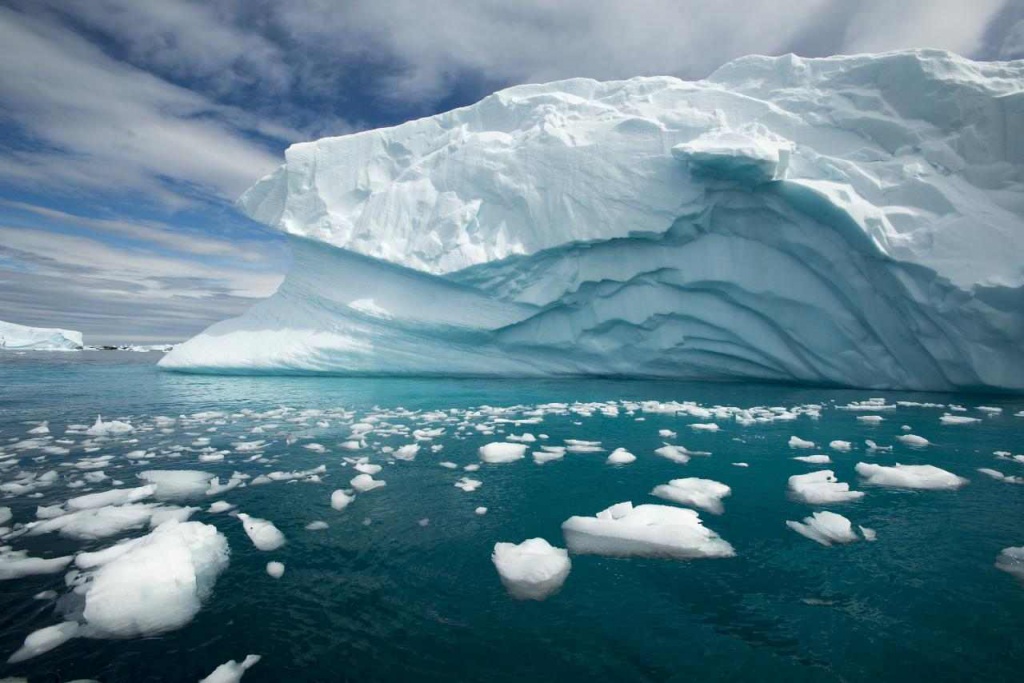
Many
believe that climate change around the world is causing active and irreversible ice
melting, but there is still a chance to save areas covered by glaciers.
It is believed that one of the causes of global warming is the
release of carbon dioxide into the atmosphere. This increases the rate of ice melting by
more than two times. By reducing the level of gas emissions and using alternative forms of
energy, humanity is able to stop this
process, which is dangerous for the entire planet.