
 Culture
Today, there are a huge number of museums around the world that allow us not only to see various dinosaur skeletons, but also to better understand them, as well as learn more about the world in which they were living.
Perhaps the most famous such museums are the American Museum of Natural History in New York and the Natural History Museum in London (including these museums, the list goes up to 12).
But there are other equally attractive museums that introduce children and adults to the world of dinosaurs.
1. Natural History Museum in Berlin, Germany (Museum fur Naturkunde)
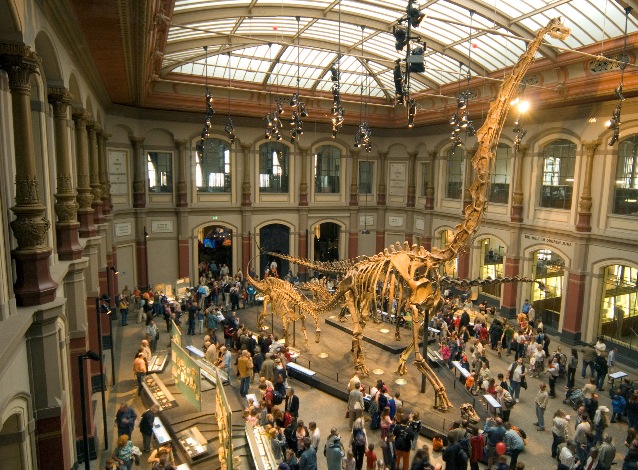
This museum contains a serious collection of the remains of various creatures found in Tanzania in the 20th century.
Perhaps the most interesting bones on display in the museum are those from Branchiosaurus, which was 12.6 meters tall. This is the tallest dinosaur skeleton in the world at the moment, which is why it was listed in the Guinness Book of Records.
The museum also boasts the Archaeopteryx fossils, the most important fossils in the world, as they prove the link between dinosaurs and birds.
2. Field Museum of Natural History in Chicago, USA (Field Museum)
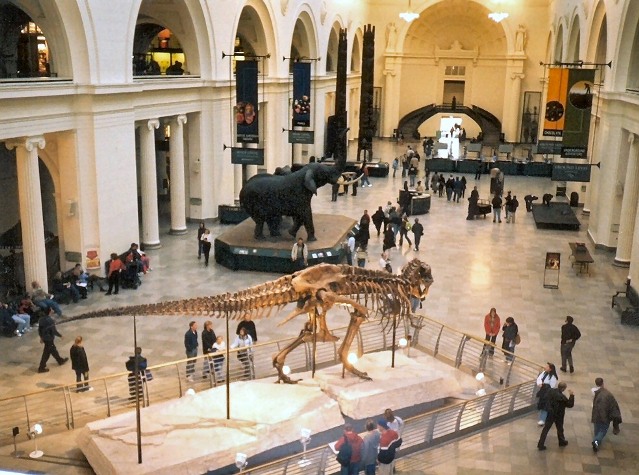
Among the exhibits is one called “Rotating Planet”, which contains a huge collection of dinosaurs and their $4 billion evolution.
The collection contains dinosaur specimens that lived in places ranging from Madagascar to Antarctica.
But the museum's main attraction is Sue, the world's largest Tyrannosaurus rex, which welcomes visitors. This dinosaur's skull weighs about 272 kilograms and has 58 teeth. It can be seen on the upper level of the museum, where you can also read about the most famous dinosaurs that once inhabited Earth.
3. Royal Belgian Institute of Natural Sciences in Brussels, Belgium (Royal Belgian Institute of Natural Science)
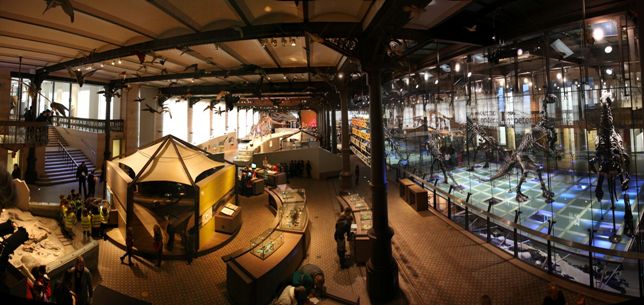
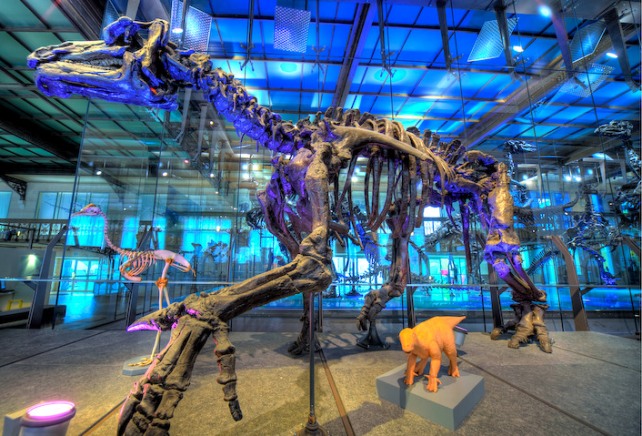
This museum is famous for the world's largest hall dedicated to dinosaurs, with a huge number of skeletons and models of these creatures.
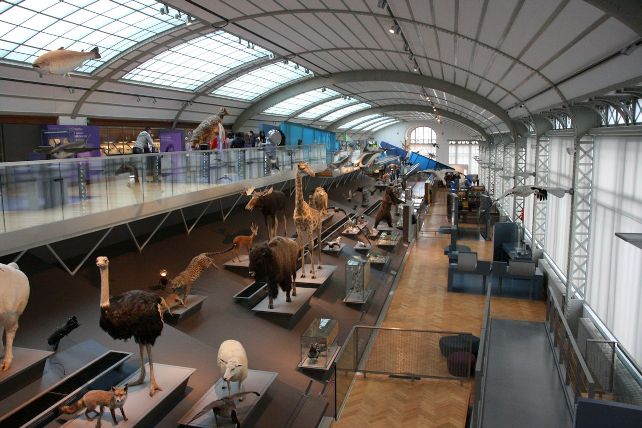
Perhaps the most impressive exhibit is 30 Iguanodons. It is worth noting that Iguanodon was the second creature to be called a dinosaur (the first was Megalosaurus).
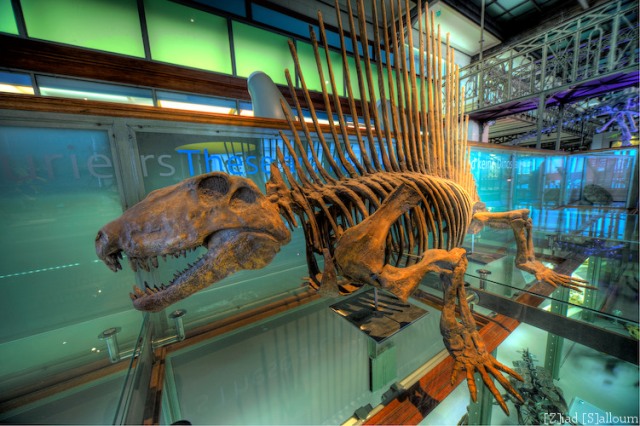
In addition, in the museum you can see the entire process of fossilization and the excavation of dinosaurs.
4. National Dinosaur Museum in Canberra, Australia (National Dinosaur Museum)
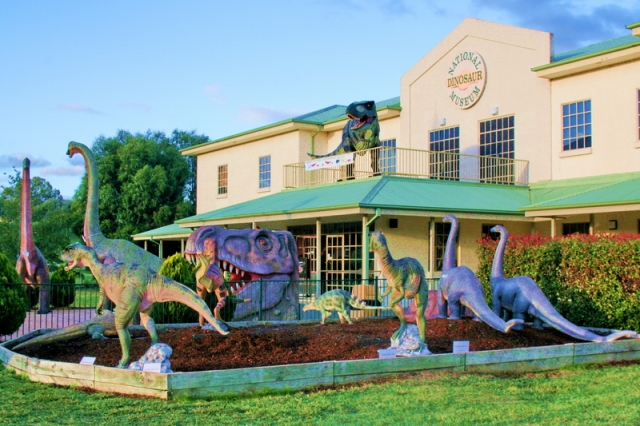
Here you can learn about Australia's prehistoric era. This museum contains the largest collection of dinosaur fossils in Australia.
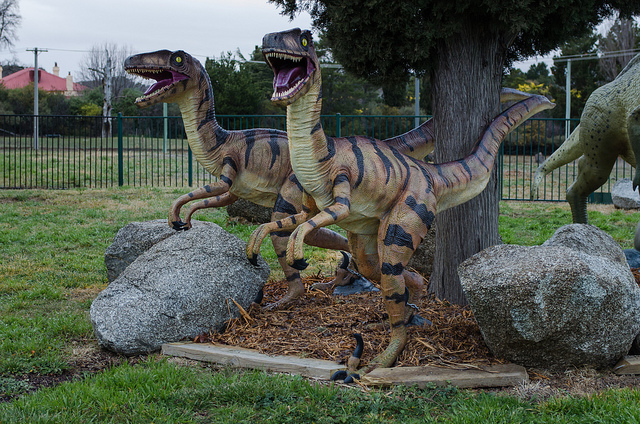
In addition to fossils, skeletons, and giant traces of various creatures, the museum also boasts a garden with dinosaur sculptures, as well as animatronics (mobile artificial animals).
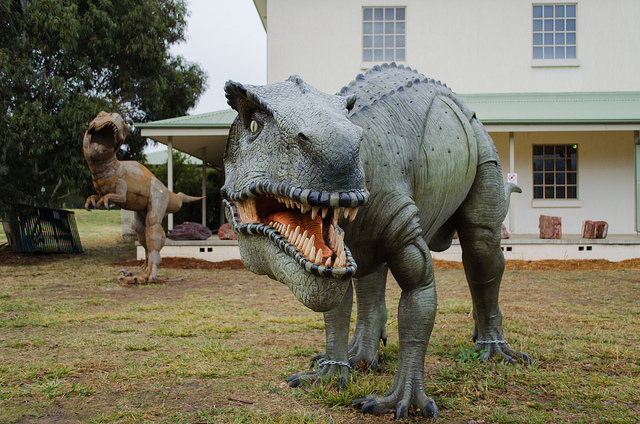
Educational programs for children and free weekend tours attract about 200,000 people each year, making the museum the most visited place in the region.
5. The Royal Tyrrell Museum of Paleontology in Alberta, Canada (Royal Tyrrell Museum of Paleontology)
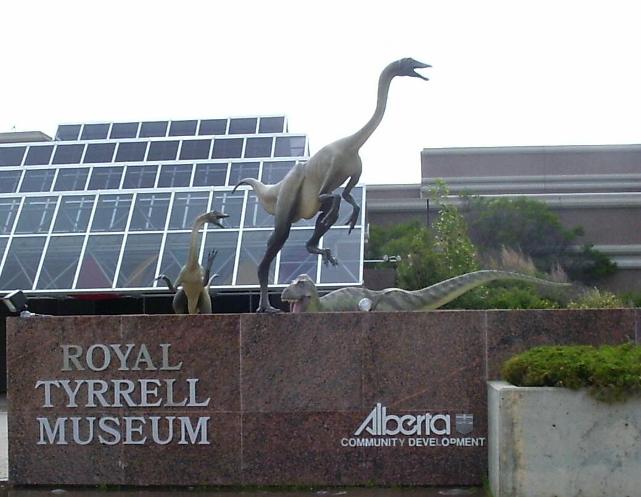
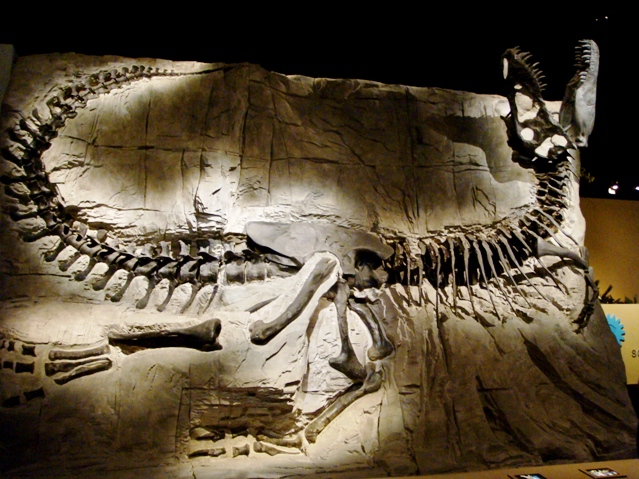
This museum is home to more than 130,000 fossils, including the Black Beauty exhibit, a Tyrannosaurus Rex skeleton with a unique black glitter.
You can also find the Albertosaurus skeleton here, which was reconstructed based on 22 skeleton parts found in Alberta.
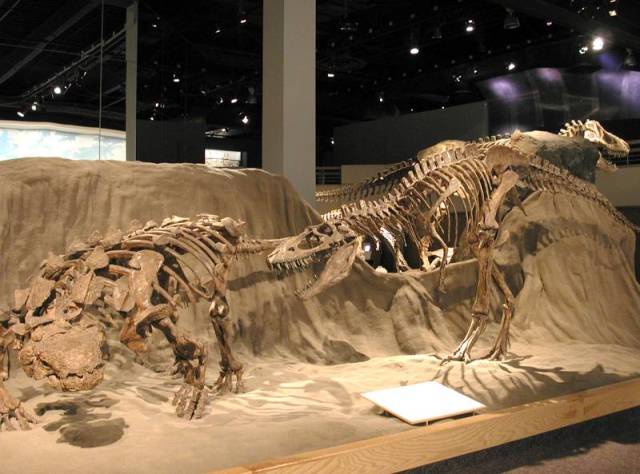
The museum also features saber-toothed tigers attacking mammoths. There is also a living garden that mimics life during the Cretaceous period in Alberta.
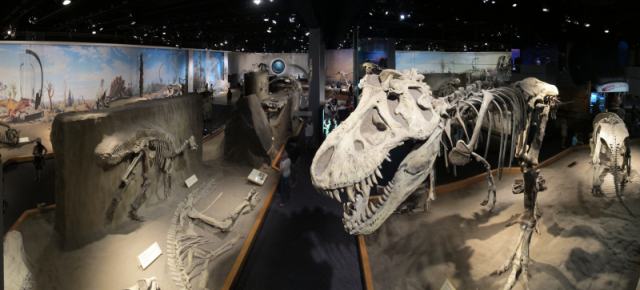
Visitors can watch paleontologists work in the lab to learn more about how dinosaur fossilized bones, such as the Ankylosaurus recently discovered in one, are preparing for the exhibition from mines in Canada.
6. Dinosaur Center, Wyoming, USA (Wyoming Dinosaur Center)
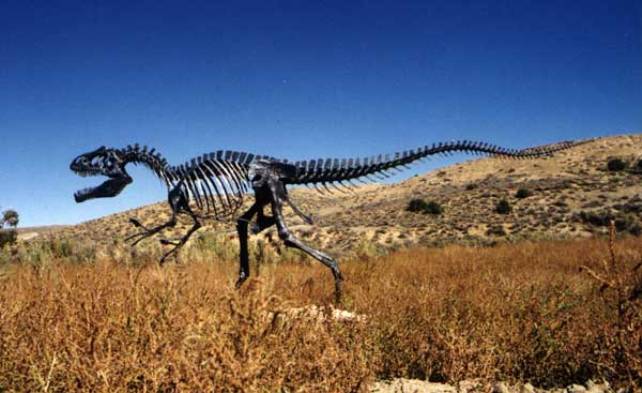
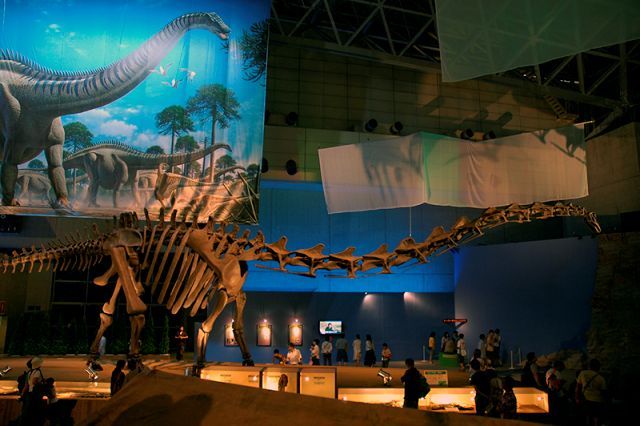
The museum's main attraction is the 32-meter Supersaur, the world's longest dinosaur.
Here you can also find the most complete skeleton of the world's famous Archaeopteryx (after Berlin). In addition, visitors will be able to see the skeletons of the Triceratops, Stegosaurus and Veloceraptor.
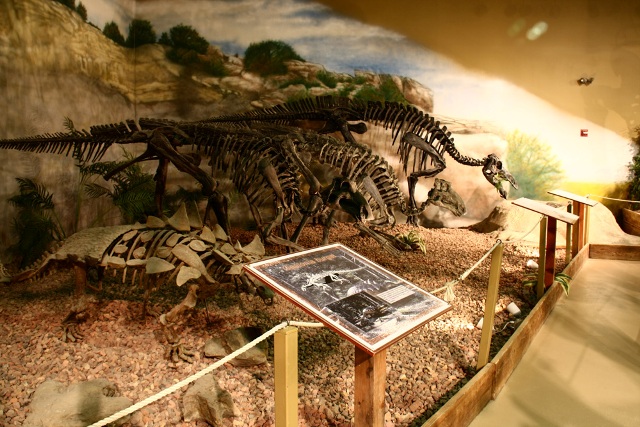
But the most interesting thing is that visitors can chat with real paleontologists, like those seen in the movie Jurassic Park.
People of all ages can also sign up for tours to the richest places where dinosaur remains were found.
7. Da Shangpu Dinosaur Museum (Zigong) in China (Zigong Dinosaur Museum)
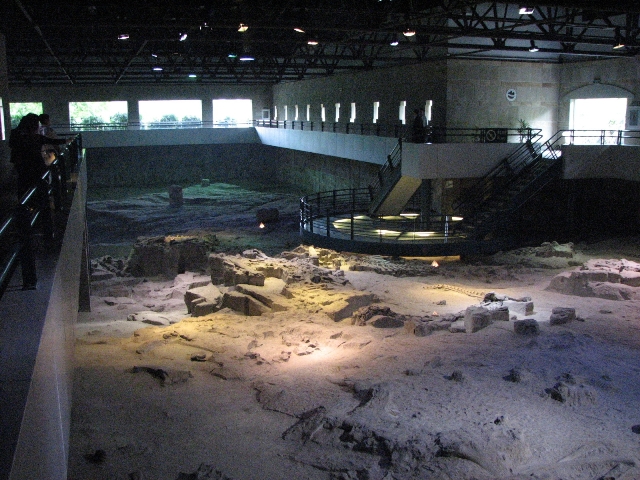
This museum also has a huge hall that houses many prehistoric fossils.
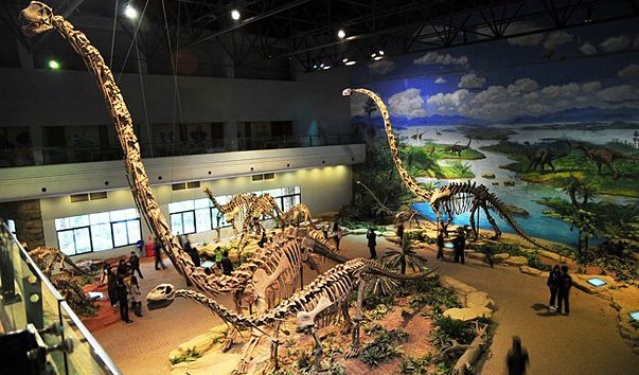
The most interesting thing is that it is located on an archaeological site and covers an area of 25,000 square meters, which allows visitors to look not only at the exhibits, but also at a place where there are many these fossils have been found.
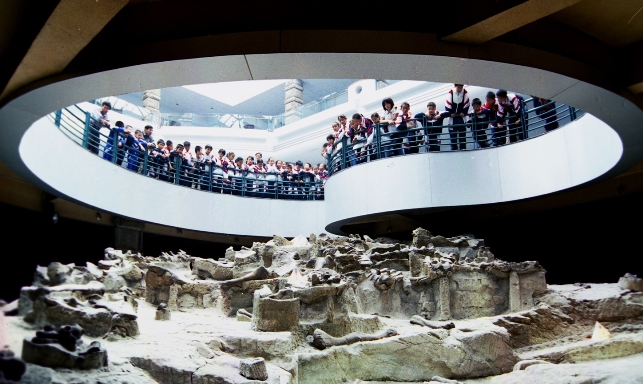
Here you can see 18 complete dinosaur skeletons, among other fossils, traces of ancient creatures, and other prehistoric finds.
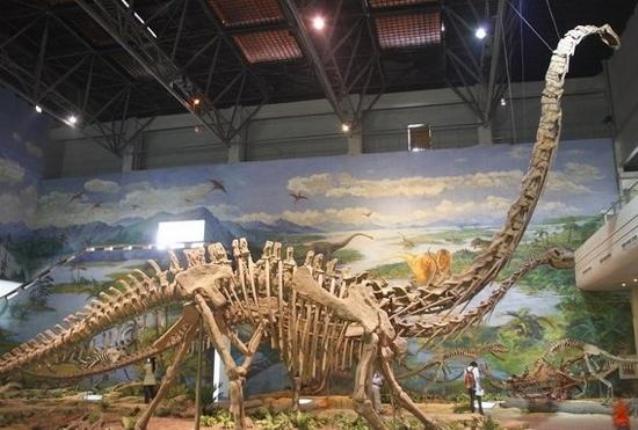
Each year, the museum attracts about 7 million people to the city.
The museum was opened in 1987 and since then it has earned a high reputation, mainly due to its unique architectural style and a huge number of archaeological finds.
8. Iziko Museum, Cape Town, South Africa (Iziko Museum)
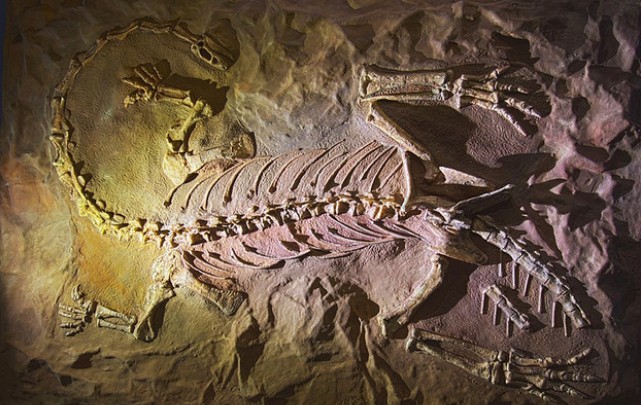
South Africa can't boast Tyrannosaurus or Branchiosaurus skeletons, but the Iziko Museum of Natural History can surprise visitors with several prehistoric creatures that once lived in Carrou – an arid region in southern Africa.
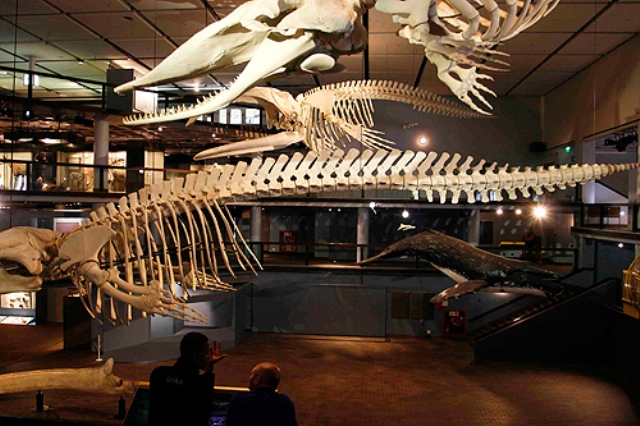
In addition to a dozen exhibits, the prehistoric section contains lesser-known dinosaurs and their cousins that once inhabited the continent from Cape Town to Marrakech.
The exhibition, entitled African Dinosaurs, includes Euparkeria, a distant relative of dinosaurs that lived in Africa. The skeleton of Jobaria, an African Sauropod, can also be found here.
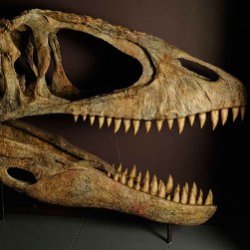
One of the museum's attractions is the Carcharodontosaurus skull from North Africa.
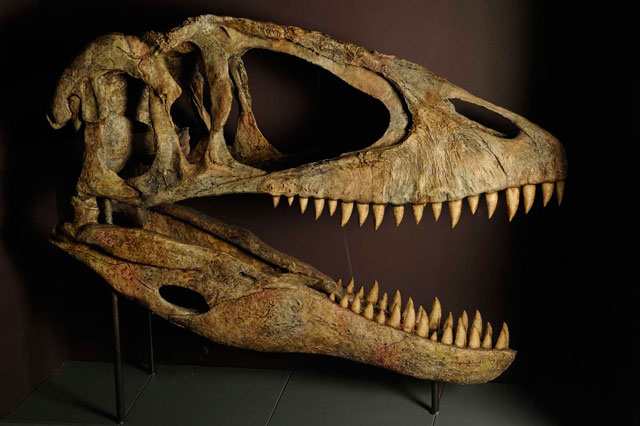
This giant carnivorous dinosaur, which inhabited Earth 98-93 million years ago, was larger than Tyrannosaurus, making it one of the most impressive predators on the continent.
9. Jurassic Land Theme Park in Istanbul, Turkey
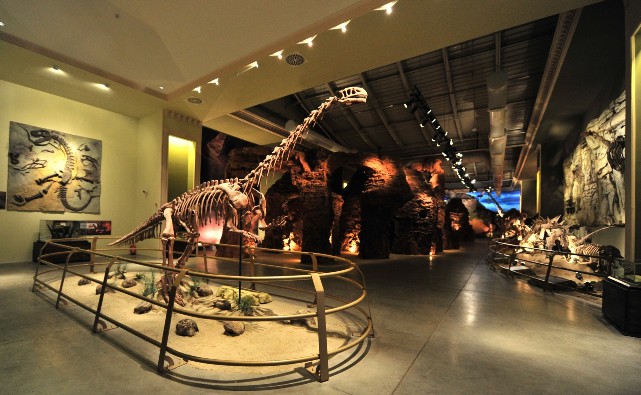
Opened in 2011, the park is still Europe's largest dinosaur theme park.
It combines an amusement park and an educational facility. On an area of 10,000 square meters, you can see dozens of skeletons and fossils of prehistoric creatures, as well as animatronic dinosaurs, a “veterinarian” who cares for an injured stegosaurus and egg incubators.
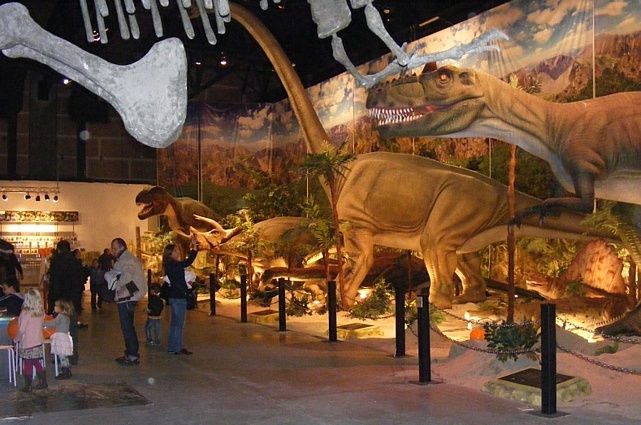
It also has a laboratory and Jurassic Park, and visitors will walk through mysterious caves and labyrinths. You literally meet dinosaurs face to face. Not only do they move and make scary noises, but they even have drools that they splash from their mouths.
10. Fernbank Museum of Natural History in Atlanta, Georgia, USA
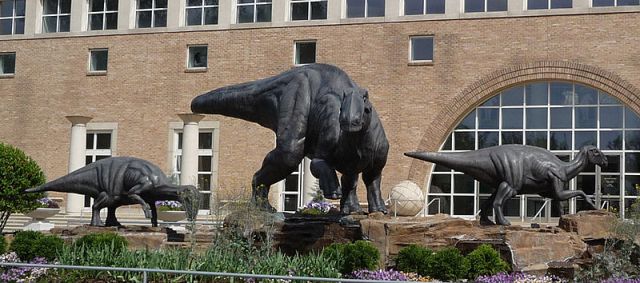
Real giants from the dinosaur world have been found in Patagonia, but you need to visit Atlanta to see them.
The exhibition, entitled “The Giants of the Mesozoic”, includes the reconstructed skeletons of the Gigantosaurus, which rivaled the size of Tyrannosaurus and Argentinosaurus , a 100-ton sauropod that scientists believe is one of the largest dinosaurs in South America. You can also see more than 20 Pterosaurs above your head.
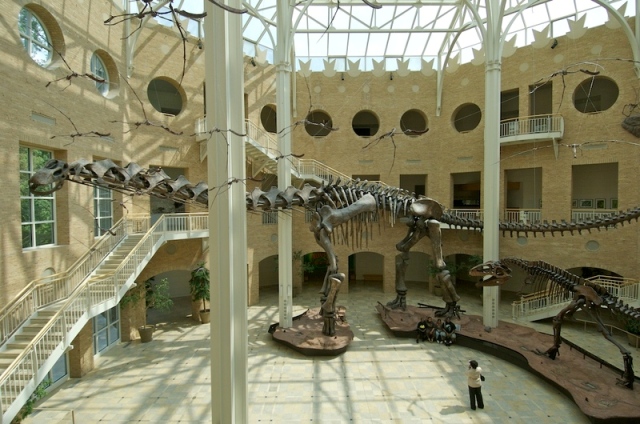
In 1992, after restoration, the museum opened its doors to visitors. In total, the museum has about a dozen exhibitions: some are permanent, while others change about every six months.
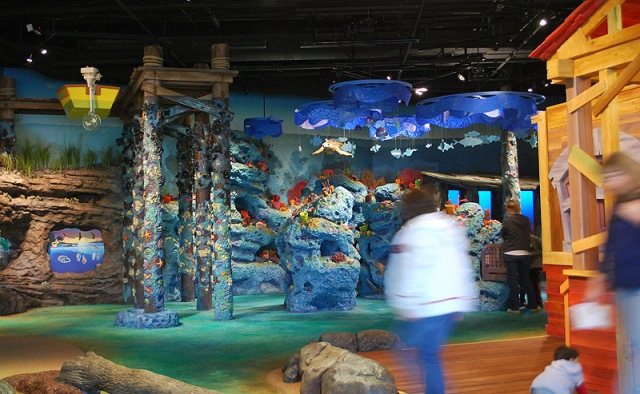
One of the permanent exhibitions is called “A Walk Through Time in Georgia”. It tells how the climate and landscape of the current state, from dinosaurs to modern wildlife, were formed.
Argentinosaurus