
 Incredible facts
Nuclear war can bring destruction and mass death, so people are better off getting along.
But if such an event suddenly happened and the earth was irradiated and plunged into a nuclear winter, what would happen to life on our planet?
Would everyone die out or would anyone be able to survive? Here are a few of the most resilient creatures in the world.
1. Amoebas
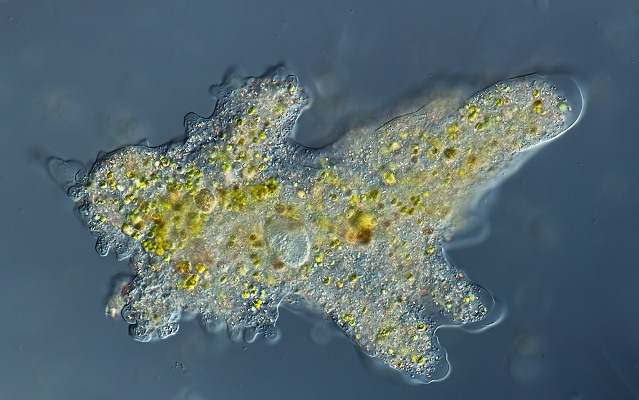
The amoeba, being perhaps the simplest form of life and perhaps the basis of all subsequent ones, will certainly survive. Amoebas have the ability to enter sleep mode by wrapping themselves in a protective layer, and remain in this state indefinitely.
They are resistant to radiation, and being a single-celled organism, they do not have the problem of mutations during reproduction. Amoebas breed very quickly on their own, they can be found in huge numbers around the world, and they are very small, so they are very likely to survive.
2. Cockroaches
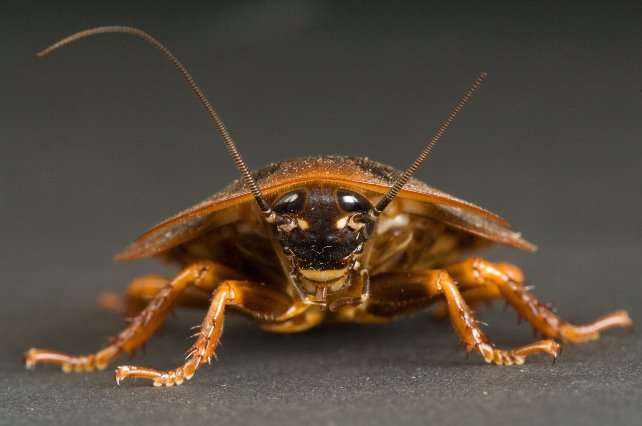
The cockroach is probably the most famous of all animals with great potential for survival. Cockroaches are able to withstand moderate amounts of radiation and were able to survive 300 meters from where the Hiroshima bomb exploded.
Of course, modern weapons are much more powerful, and cockroaches would hardly survive the current nuclear explosion. Mythbusters demonstrated in their tests that 10 percent of cockroaches withstood a radiation level of 10,000 rads. The Hiroshima bomb emitted 10,000 rads, so the cockroaches might have survived far from the epicenter of the radiation.
Read also: 10 incredible facts about cockroaches
On the contrary, people exposed to radiation at 10,000 times would instantly suffer from a coma, and very soon this would lead to death. The ability of cockroaches to survive is due to their slow growth rate. Their cells reproduce every 48 hours, which reduces the risk of mutations.
3. Scorpions
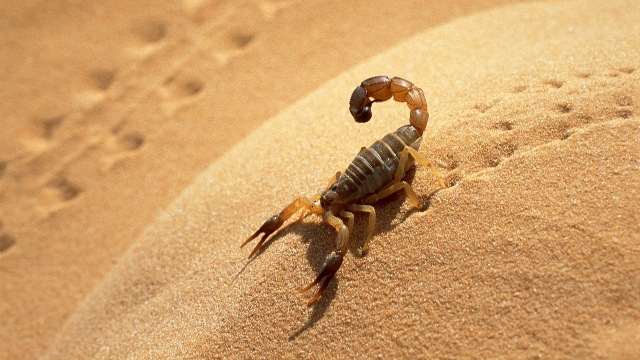
Anyone who has seen scorpions living in captivity knows that they can withstand ultraviolet radiation. In addition, they have a chance to survive a nuclear explosion.
Scorpions live on every continent except Antarctica and can be frozen and brought back to life to help them in the event of a nuclear winter.
They are often found in holes and fissures, which gives them some physical protection from radiation and radioactive fallout. Scorpions are very resilient and have remained almost unchanged throughout evolution due to their perfect shape.
4. Braconid wasps
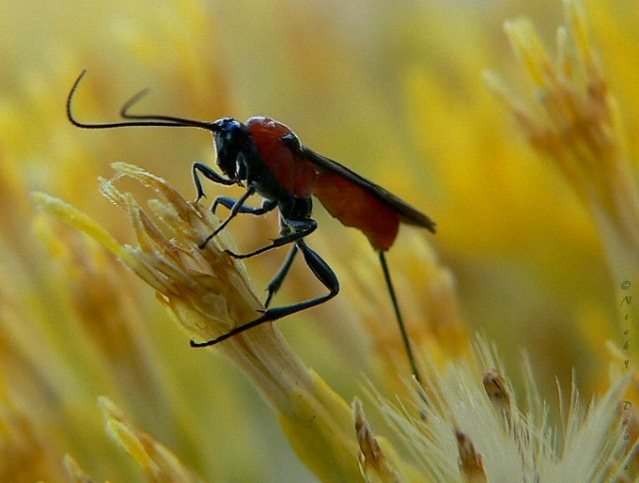
Braconids are a large family of parasitic wasps (wasps that lay eggs inside other animals). They are very resistant to radiation, and they have a good chance of surviving nuclear fallout.
Scientists have found that these wasps can withstand up to 180,000 rads of radiation, making them some of the most resilient animals in the world.
The only problem is whether they can find a victim to lay eggs, but maybe they can. In addition, braconid can be trained to smell harmful and explosives like dogs.
5. Lingulata
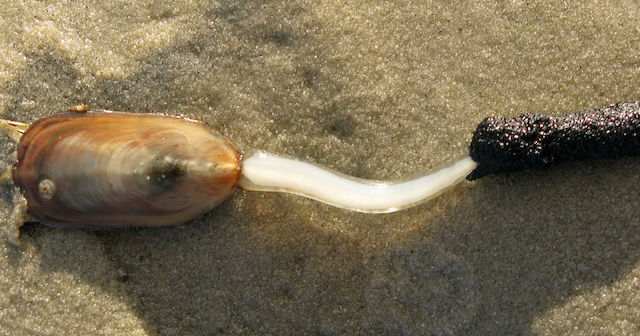
Lingulata belongs to the class of humeropods or animals with caspuscles. The name of these animals is Latin for “language” because of the shape of their shell.
There have been five mass extinctions in Earth's history when most life was wiped out. The Lingulata has survived all mass extinctions, perhaps due to its ability to burrow deep into the earth during difficult periods and later reappear.
Despite their survival skills, scientists still can't say how they do it, but they probably also have a good chance of surviving a nuclear war.
6. Fruit flies
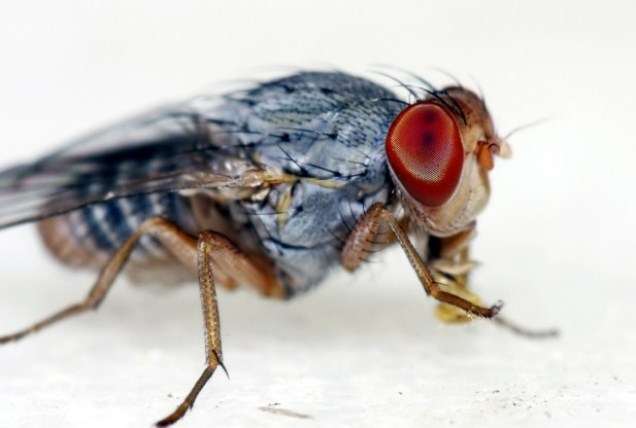
Fruit flies or Drosophyllas can survive high doses of radiation up to 64,000 rads.
Many insects are able to withstand radiation due to slow cell division and very rapid reproduction, as is the case with fruit flies. The ability to reproduce means that they can change very quickly with any change.
The small size of fruit flies also plays in their favor, as fewer cells are exposed to radiation and a smaller surface absorbs it.
7. Humans

Surprisingly enough, it is quite possible that people will be able to survive a nuclear war. First, the number of nuclear weapons in the world is decreasing. And while existing bombs could wipe everything off the face of the Earth, this is unlikely as people are scattered all over the world.
The bombs are now 1,000 times more powerful than the one dropped on Hiroshima, but that doesn't mean 1,000 times more people will die.
Given the dispersion of people around the world and the presence of anti-nuclear shelters, it is likely that enough people will be able to survive to maintain a viable population. Fortunately, we have the intelligence to find a way out of many situations, which should first of all be used to avoid dropping atomic bombs.
8. Fundulus
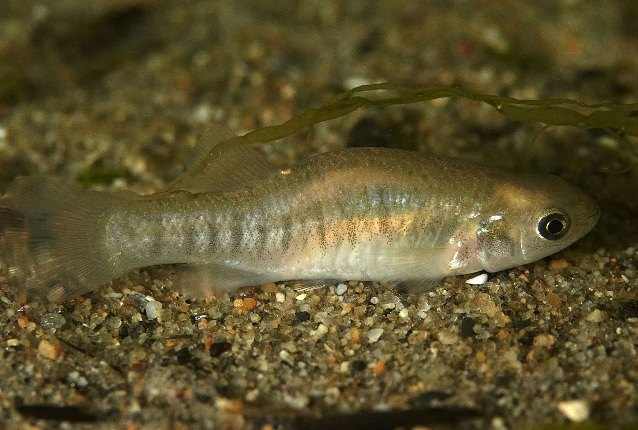
Fundulus, as strange as its name may sound, is a common fish. Fish usually don't survive as well, and any changes in salt composition, water temperature, and pollution can cause them to die.
Fundulus is a special fish as it can live in almost any environment. It lives in the most polluted areas of the sea with severe chemical spills.
It is also the only fish that has been in space. Several fish were launched to Skylab in 1973 in plastic aquarium bags, and tests have shown that they are able to swim in space, and their descendants were born just like before.
Their ability to survive is related to their ability to turn genes on and off on demand. Fish can even rearrange some parts of their bodies to adapt to their new environment.
9. Tardigrades
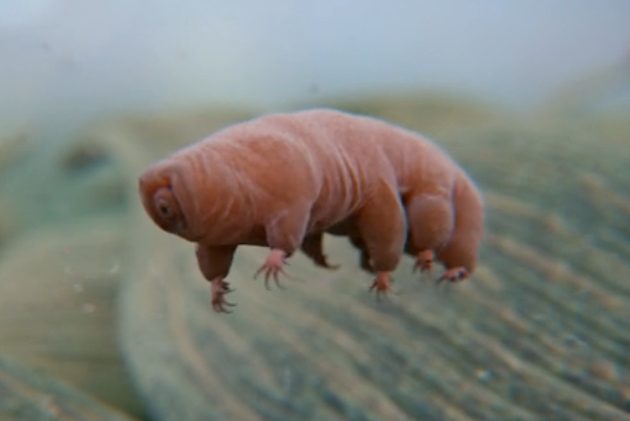
Tardigrades or “little water bears” are extremophiles. This means they are able to withstand extreme environmental conditions. They can be boiled, crushed, frozen, they survive in space without water, they can be revived a decade after they were virtually clinically dead.
Read also: The most resilient creature that can survive in outer space
Tardigrades only grow to 1.5 mm in length and are therefore less likely to explode on their own. This, together with their ability to survive under almost any conditions, including radiation, virtually guarantees their life after a nuclear war.
10. Deinococcus Radioduran bacterium
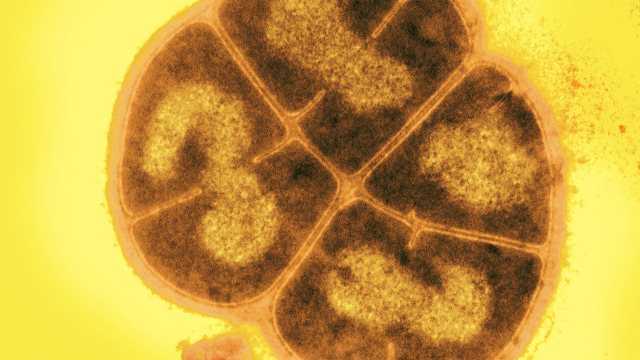
If tardigrades are extremophiles, then the gram-positive, extremophilic coccus of the genus Deinococcus Radioduran can be classified as polyextremophiles.
The bacterium is considered to be the most resistant form of life to radiation. It can repair damaged DNA so quickly that scientists are trying to use it to treat people.
It is already being used to cleanse contaminated areas and as a “time capsule”.
In the event of a mass death, such as a nuclear war, scientists can record a message in the DNA of these bacteria, and in 100 generations this message will remain. Researchers don't know why the bacterium has become so resistant. However, if humans survive, they will be able to receive messages from virtually indestructible bacteria.