
 Useful tips
Music is good for your health. This statement has been repeatedly confirmed in practice by numerous studies. However, playing music can be just as beneficial. Although your child may not become a great musician (or musician in general), going to music school will bring him some benefits.
These are not general words. In fact, there are a lot of studies that unequivocally prove that any musical activity can benefit not only the human brain and spirit, but also to the body.
Moreover, it does not matter at all how old you are, how well you play a particular instrument, how long ago you started practicing music. The fact is that playing music improves cognitive functions in the brain.
There are other benefits, in fairness, related to reducing stress levels, as well as normalizing blood pressure, which can ultimately prevent the development of depression and dementia.
And if you are looking for a useful hobby that can have a positive effect on your overall well-being, as well as improve your moral well-being, it makes sense for you to start walking, for example, for piano lessons. So, here are 10 reasons why you should make music.
Music classes are beneficial
Playing music helps keep your mind clear
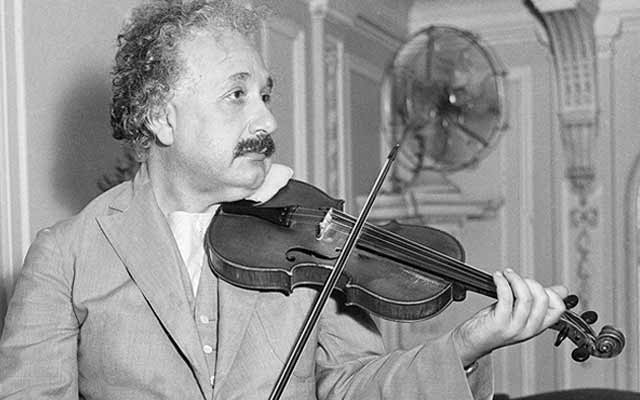
As a result of one of the studies carried out at the University of Kansas Medical Center, USA, scientists came to the conclusion that musicians perform better on tests for cognitive abilities than non-musicians do.
Playing any musical instrument regularly is a great way to train your brain. And it doesn't matter at all whether you're playing urine on drums or lazily “blowing” into the saxophone. At the same time, certain areas of the brain increase their activity.
Playing music improves coordination
This is an absolute fact — musicians usually show excellent coordination of movements. This is because playing musical instruments requires very high hand-eye coordination. Even athletes for whom visual hand coordination is of paramount importance can benefit from this.
Extracting musical sounds improves your mood

Music affects mood — this is a well-known fact that would not even be worth mentioning if it were not for the need to explain the mechanism of action. Research shows that not only music itself, but also the process of making music affects cortisol levels.
And if you play music at different speeds, you can regulate this process. By playing musical instruments, you create an emotional outlet. When creating your own music, you regulate, if you like, your level of sadness, joy, or tension through art.
Music improves reading skills as a learning ability
One of the important aspects of making music that distinguishes a musician from a non-musician is, so to speak, the ability to read and understand music. Continuous reading and recognition of various notes also helps to improve reading and comprehension skills in ordinary texts.
Playing music improves the respiratory system
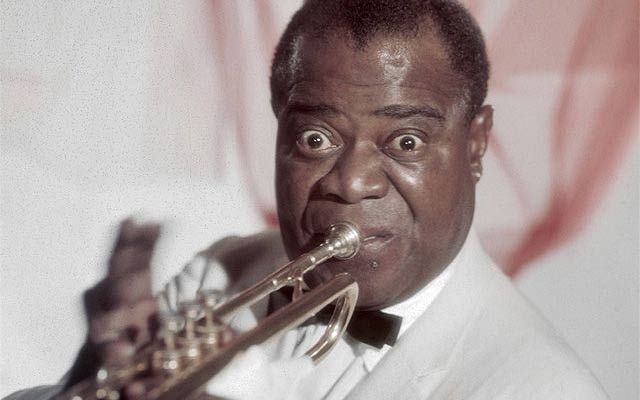
Whether you play the trumpet, clarinet, flute, or any other wind instrument, one of the main skills you should definitely learn is to breathe properly.
Relatively speaking, all these instruments turn into music the vibrations of the air that a musician must create. This means that good breathing should become, if you like, second nature to any musician.
Music improves listening skills
In order to learn how to skillfully extract musical sounds from any instrument, you need to be able to listen literally at the level of intuition. This skill, if developed at the proper level, allows you not only to hit notes.

Some might say that this requires an ear for music that comes naturally. In fact, this is not the case. An ear for music can be developed. This, in turn, will teach you to listen to the sounds around you in the literal sense of the word. Such skills are extremely important in terms of building social relationships.
The benefits of music
Playing music allows you to set goals, achieve them and develop
The very process of learning to play a musical instrument can be quite tedious and even boring. However, as soon as you overcome these necessary obstacles, you will instantly feel not only a certain pride, but also the strength to move on.
In this situation, a simple principle works: you get exactly as much as you invest. This fact should keep you going despite your fatigue. The more time and effort you put into improving your skills, the more obvious the result will be, which has an inspiring effect.
Playing music improves concentration

There are so many aspects of music that should not be underestimated when you're playing an instrument. As a musician (even an amateur or a beginner), you must capture the rhythm, timbre, light shades, and texture of a piece of music.
The only thing that can be more beneficial to a musician than to be able to concentrate on the sounds of his own music is to be able to concentrate on all the sounds of, say, an entire orchestra or groups.
Read also: 10 amazing properties of music
In other words, the benefits of playing music on your own are obvious. However, it's even more pronounced if you're part of an ensemble or group. The need to concentrate on all sounds at the same time to achieve overall sound harmony improves concentration even better.
Music develops the ability to make optimal use of your time

The lengthy process of learning to play an instrument will require you to have a completely different, more adequate and thoughtful attitude to your time. This will generally lead to developing the ability to make optimal use of the time you devote to your daily duties.
Playing music can cope with Alzheimer's disease
Brain stimulation, which occurs in parallel with playing music and listening to music, helps improve memory in patients suffering from Alzheimer's disease.
As a result of one study involving a group of people with Alzheimer's disease, it was found that their memory is much better able to retain music than, for example, words. This is due to the so-called activating effect of music, which leads to improved attention and memory itself.