
 Health
Watch video, If you're too lazy to read
Watch video, If you're too lazy to read
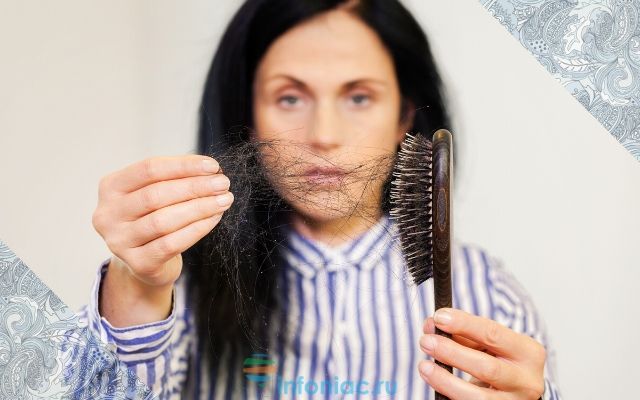
Did you know that hair grows in three different modes? Thanks to this, new hair quickly grows in place of hair loss, and you do not even notice the loss. But if a factor affects the rhythm and synchronicity of this process, then 2 to 3 times more hair falls out of the head per day than it grows.
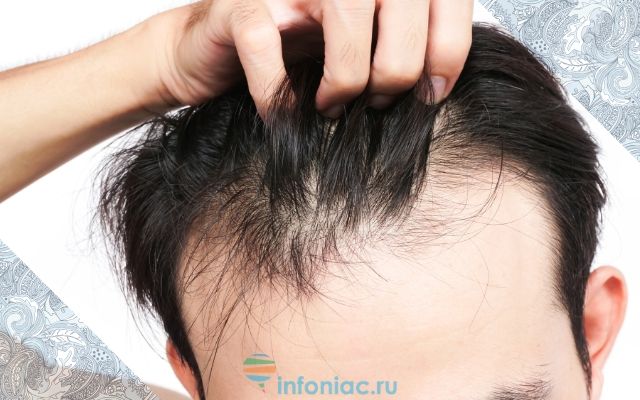
Beautiful hair is a necessary element of the image that is popular with the opposite sex. Therefore, we begin to worry if the scallop leaves more hair than usual after brushing, or if it falls out “by itself” while remaining on the clothes. And sometimes the absence of hair on the head can be seen with the naked eye. This is already a signal that there is a problem in the body.
© mraoraor/Getty Images
There are so many factors that cause hair loss. In this article, we will talk about the 20 most common ones.
What is considered hair loss?
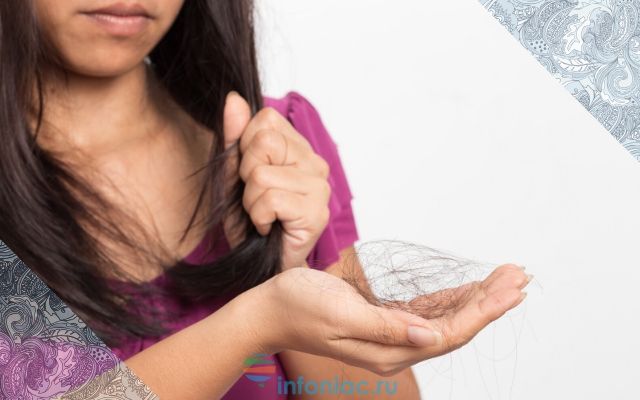
Before you sound the alarm, make sure that your hair falls out more than your physiological norm. Every day you lose 30 to 100 hairs, and they fall out evenly from all areas of your head. This is absolutely normal and baldness does not occur because the hair regenerates itself quickly. But if self-healing is delayed or does not occur at all, then hair density decreases.
© chokja/Getty Images
More than 1000 hair loss per day is already a pathology called “alopecia”. If hair falls in a limited area, it is alopecia areata or areata. Hair loss in all areas is called diffuse or total baldness. In Greek, alopex means fox. It would seem that the fox has to do with it. But the Greeks, apparently, noticed the resemblance of a bald man to an animal, for which it is quite natural to shed several times a year and acquire a new fur coat.
Sometimes hair does not fall out, but simply becomes thinner, hair thins, and you may think that there is less hair. But thinning hair can be the beginning of baldness.
Interesting facts about hair
On average, 50 to 150 thousand hairs grow on the head. Moreover, redheads have the least number of them – about 80 thousand. Blondes were luckier. They have at least 140,000 hairs growing on their heads. Brown-haired and brunettes are content with the “golden mean”. Their hair contains 100 to 110 thousand hairs. Owners of light brown hair are considered “record holders”. They have about 200,000 hair follicles.
© mraoraor/Getty Images Pro
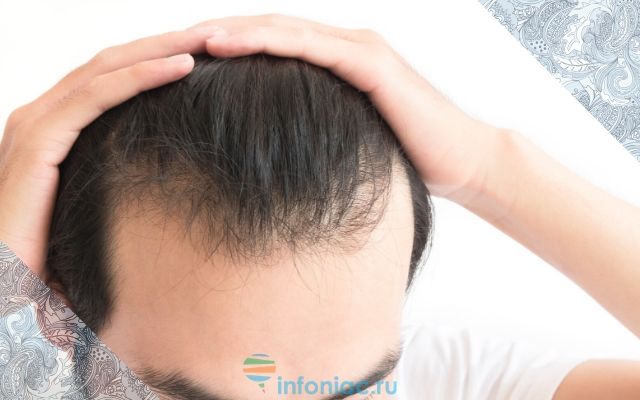
There are areas on your head with thicker hair – this is the top of your head. But there is less hair on the back of the head and temples. To protect the back of the head and sides from baldness, nature has made sure that the forehead, temples and the crown of the zone receive more blood.
Let's understand the reasons
To understand the mechanism of hair loss, let's remember how hair grows normally. Each hair follicle or sac at the roots can create 25 to 30 hairs throughout a person's life. Each hair grows at its own pace, and there is a certain cyclicity. Women who went for hair removal know how difficult it is to get rid of unwanted hair. It takes several sessions to remove the rest of the hair groups that are “sleeping”. This mechanism is designed by nature to prevent the simultaneous loss of large amounts of hair.
© ilze79/Getty Images
There are the following stages of hair life:
Anagen is an active growth that lasts from 2 to 6 years.
Catagen is a transition period in which growth slows down, but the follicles or papillae that nourish the hair are still working. The duration of this phase is up to 20 days.
Telogen — hair completely stops growing. The rest phase lasts from 3 to 4 months.
In healthy people, at any time, almost 90% of hair on the head is in the phase of active growth — anagen. Only 2% of the hair is in an intermediate state, and up to 15% of the hair is ready to fall out of the follicle. An external or internal damaging factor disrupts this ratio in favor of those who fall out.
1. Thyroid problems
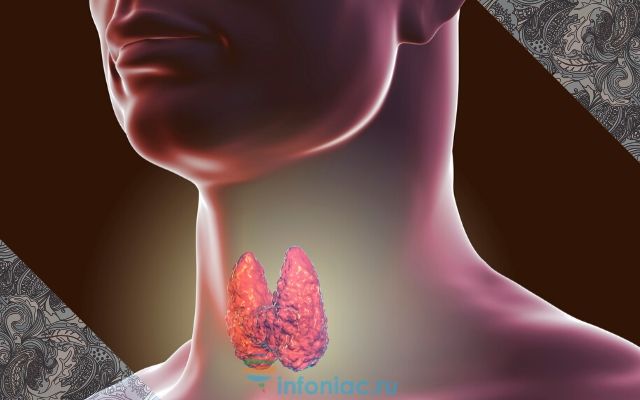
Thyroid hormones, thyroxine and triiodothyronine, normally stimulate, accelerate and activate all cells in the body. Sensitive nerve endings or receptors for thyroxine were found, including on hair follicles. When hormones are deficient, there is no stimulus for hair growth, so the follicles are in no hurry to create new hair.
© Science Photo Library
But if you have an excess of these hormones, this is also not a reason to be happy. From thyroid hormones, only the first time will the hair become thick. The prolonged effect of thyroxine depletes the bulb's “strategic reserves”. If the balance of hormones is not restored in time, hair will begin to fall out.
2. Pregnancy and childbirth
From the first trimester of pregnancy, the hormonal background changes in the female body. The level of almost all hormones increases.

© Yuganov Konstantin
Each trimester of pregnancy, as well as the postpartum period, is “under the banner” of a hormone. These are mostly hair-friendly hormones.
First half of pregnancy
From the first trimester, the body produces chorionic gonadotropin. It triggers changes in the woman's endocrine organs and stimulates the renewal of all cells, due to an increase in thyroid hormone levels. The latter accelerate cell division and metabolism in the hair follicle, and the condition of the hair begins to improve. But if a woman has hidden thyroid insufficiency, the entire portion of hormones will go to the fetus, and hair may fall out.
Second half of pregnancy
After 20 weeks, the placenta actively releases progesterone and estrogen. The condition of the hair largely depends on their ratio. Estrogen stimulates hair growth, so the number of bulbs in the growing phase increases by 10%. Progesterone also greatly dries out the skin and hair, which can cause them to become brittle. Hair during this period of pregnancy falls out more often not because of hormonal changes, but when there is a lack of nutrients.
Postpartum period
After childbirth, the situation changes dramatically. The pituitary gland secretes the hormone prolactin, which stimulates the mammary gland. Because of it, the number of bulbs “at rest” increases at least twice. Thus, a woman loses, on average, not 100 hairs per day, but up to 300. This becomes noticeable a few months after delivery. But this condition lasts no more than 6 months. Do not be afraid to be left without hair, because when the hormonal level stabilizes, growth will also return to normal.
3. Medications
Any medication can cause hair loss, but there are drugs that disrupt hair growth faster and more noticeably. Everyone knows that chemotherapy makes people bald. This is because chemotherapy drugs inhibit the growth of not only tumor cells, but also cells from all tissues in the body. The hair follicle is very active in cell division, because you need to start growing about 30 hairs a day to replace the ones that have fallen out. Therefore, the overwhelming effect of chemistry quickly appears on the scalp. In addition to suppressing new hair growth, chemotherapy acts directly on the hair as a toxin, increasing hair loss.

© Syda Productions
The following drugs can also cause hair loss:
contraceptives — usually after a woman stops taking them;
anti-inflammatory drugs — hormonal and non-steroidal;
cardiac drugs — drugs lowering blood pressure;
thyreostatics — drugs that suppress the release of thyroid hormones;
anticoagulants — suppressing blood clotting;
antiallergic drugs — H2- blockers histamine receptors;
drugs used in psychiatry — anticonvulsants, antiparkinsonian drugs, antidepressants and neuroleptics.
drugs for the treatment of infections – antibiotics, antiherpetic, antifungal and antiparasitic drugs.
Hair follicles contain the cytochrome P450 enzyme system. It is with its help that the liver processes toxic products and medicines. The enzymes of this system oxidize drugs and make them more soluble in water to facilitate elimination from the body. But the fact is that many drugs suppress this system and contribute to side effects, especially when taken for a long time. Due to the presence of cytochrome P450 enzymes, hair partially assumes the side or toxic effects of many drugs, which is manifested by their loss.
4. Fast weight loss
If you are a fan of strict diets and quick ways to lose weight, you should know that depriving yourself of protein products can cause serious disruptions in your body. Cells are built from protein, metabolism is controlled by protein enzymes and hormones. 80% of hair consists of keratin protein. To build new bulb cells, a building material is needed — protein. If you are without protein for a long time, you can quickly become bald or lose your hair constantly in “portions”.

© Billion Photos
As a rule, hair begins to fall out a few months after you start the diet, but you need to eat normally for a few more months to recover.
Protein deficiency also occurs if you abuse alcohol. Alcohol disrupts the absorption of proteins in the digestive tract and impedes the function of the liver, the main organ that synthesizes proteins. In addition, large doses of alcohol cause a pronounced spasm of all vessels, including those that feed the hair follicle.
5. Infections
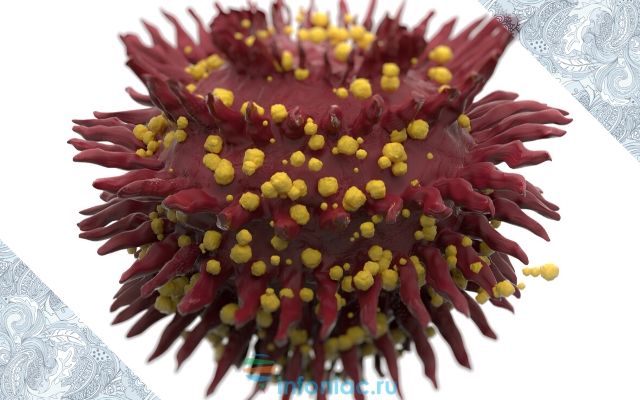
Any scalp infection can cause inflammation in the hair follicles. Usually, infections that affect hair are manifested by baldness in a limited area or several areas with bald patch are found on the head. Alopecia after an infection may be temporary or irreversible. It all depends on the nature of the inflammation. If there are no deep injuries, then wait for new hair to grow in place of the fallen hair. But when the inflammation is very violent, the body has no choice but to seal all the damaged areas with scar tissue. If a scar forms in place of the bulbs, the hair will no longer germinate.
© Mextech/Getty Images
The causes of hair loss can be:
fungi that cause trichophytosis and favus;
bacteria, especially staphylococci, pathogens of tuberculosis and syphilis; chickenpox and shingles
viruses, which belong to the herpesvirus family.
It is important to know that any serious infectious disease that has caused general exhaustion can lead to weakened hair and hair loss. The body temporarily “saves” on protein intended for hair formation.
6. It's nervous
You may have noticed more than once that people who work hard and don't get enough rest have hair problems. They may fade or become thinner.

© Anetlanda/Getty Images Pro
It turns out that if you are in a good mood, your brain produces enough substances that support the proper regulation of blood flow in the bulbs. But if we are often nervous or work hard, the central nervous system is in constant tension, releasing more and more adrenaline and other hormones that cause bulb muscle spasms and narrowing of the vessels that feed it.
7. You have a lot of dihydrotestosterone
In the stronger sex, bald head can be a sign of good male hormonal levels. The male hormones testosterone and dihydrotestosterone also have their own “places” of action on hair follicles. Dihydrotestosterone is an active form of testosterone that is formed in tissues under the action of the 5-alpha reductase enzyme.

© SimpleFoto
Dihydrotestosterone acts on hair as follows:
It contracts the muscle that surrounds the hair follicle. Because of this, the bulb becomes smaller and the hole through which the hair makes its way out narrows. With prolonged exposure, the hair becomes thinner, and the shaft is eventually squeezed out of the bulb.
It worsens the skin's blood circulation.
The muscle layer of small capillaries also suffers from spasm, as a result, the hair root does not receive nutrition and oxygen, gradually weakens and collapses.
It accelerates the hair growth cycle. Both free testosterone and dihydrotestosterone act on hair papilla DNA. But dihydrotestosterone is 5 times stronger on hair and makes it go through all phases of its life cycle faster and fall out prematurely.
But there are two good news. First, hormones do not destroy the bulb itself, which means that with proper treatment it can be “woken up”. The second is that a high level of testosterone does not mean that you will become bald. It all depends on the level of the enzyme that converts testosterone into its active form.
8. Family matters
About a third of men are at risk of losing hair on their heads before the age of 45. Hereditary baldness is associated with a malfunction in one of the regulatory genes. The function of genes that stimulate hair matrix collection or affect the sensitivity of receptors to substances that affect hair growth may be impaired.

© Oleg Baliuk
Previously, it was believed that the “baldness” gene is transmitted along the maternal line through the X chromosome. But many genes have now been identified that can be passed from father to son or daughter through normal, non-sexual chromosomes. A “broken” gene does not always cause baldness, and additional factors are needed for “bad” heredity to manifest itself.
The activity of the “baldness” gene can be affected by:
drug use;
hormonal changes;
harmful effects of the environment.
9. Nutrient deficiency
If your hair is tarnished, thinned and easily falls out, it is possible that it simply lacks nutrients. Even if you regularly make cosmetic masks or use expensive shampoo, it does not mean that you deliver the right ingredients to your hair faster.

© Anetlanda/Getty Images Pro
Essential microelements and vitamins are needed not only and not so much for the head locally, but for metabolism throughout the body.
Iron
Hair loss is sometimes the first and only sign of iron deficiency. Iron deficiency can occur in any woman, because every month a significant amount of this microelement is lost with blood. In addition, if you have already given birth to two or three children, your body has exhausted the “deposits” of iron that have been used to build the child's body. If you are a vegetarian, your hair may have become less “iron” due to the lack of meat products, from which the body absorbs iron more easily than from vegetable products. Coffee and tea lovers should also be wary of iron deficiency, because the caffeine contained in these drinks disrupts the absorption of iron in the intestines.
Zinc and copper
People with baldness usually have low levels of zinc in their blood. The micronutrient is essential for creating new hair fiber, so its zinc deficiency can lead to hair loss throughout the body. But zinc is also harmful to hair when there is a lot of it. It can increase testosterone levels, which, at very high levels, does not act on bulb DNA. To avoid excess zinc, it is recommended to take it with copper. These two micronutrients work in conjunction, but at the same time compete with each other for the right to be absorbed in the intestines. Copper also has two things to do with bulbs. On the one hand, it participates in creating hair, but when it is abundant, it makes the hair thin and brittle, and shortens its growth phase.
Vitamin B1
Thiamine, or vitamin B1, is a substance that activates the enzymes needed to launch the mitochondria of bulbs, intracellular “power plants”. In hair follicles, metabolism is very active, so the delivery of “fuel” to the mitochondria must occur constantly. When B vitamins are deficient, the activity of enzymes necessary for hair growth is significantly reduced.
Biotin
Biotin is necessary for cells in the skin and in the bulb to actively divide and the hair to be strengthened with keratin. This vitamin nourishes the hair and restores its deep layers. Data from experimental studies report that biotin or vitamin H deficiency causes scalp dermatitis and hair loss. You can find a link to the study in the bibliography. Red spots around the nose and mouth indicate a lack of this vitamin.
L-lysine
Lysine is an amino acid without which hair loses not only keratin, but also calcium, from which the hair matrix is formed. Due to this matrix, the hair retains its ability to grow. In addition, L-lysine deficiency increases the sensitivity of hair follicle receptors to dihydrotestosterone.
10. Vitamin intoxication
If you like to take dietary supplements, vitamin and mineral complexes, it is important not to overdo it and take into account your daily intake of vitamins. Know that an excess of some vitamins is much more dangerous than a deficiency.

© Oleg Nikiforov
Fat-soluble vitamins easily penetrate tissues and accumulate there. For example, vitamin A accumulates in hair and can make it brittle and cause hair loss.
11. Hair manipulation
Women love to change their hairstyles and dye their hair. As a rule, you need to fix a new hairstyle with a hot hair dryer, tongs or curling iron, and then sprinkle it with plenty of varnish or apply a styling gel. So it turns out that going to the hairdresser for our hair is a “triple” blow — physical, chemical and mechanical. Frequent combing or brushing is also not very helpful. You can strongly comb your skin and damage the outer layer of the hair – the cuticle. Because of this, the hair will break in the middle.

© bepslabor
Some hairstyles, especially “ponytails”, can weaken hair. The scalp of girls with a tightly assembled bundle is very stretched. Because of this, blood circulation worsens, hair becomes brittle in the root area or falls out.
12. Age
The most lush hair occurs at the age of 15 to 18 years, because under the influence of hormones, hair follicle cells divide faster. Up to 30 years old, in the absence of health problems, hair is full of beauty. But then the amount of hair may decrease.

© Monkey Business Images
You will notice that the hair has become less thick, although it does not fall out much. All this is a physiological norm that is associated with changes in hormonal levels. Bulbs become sensitive to hormones that “euthanize” them. But the process is slow, so changes will become apparent by the age of 50, and sometimes much later if you have good genetics.
13. Seborrhea
Seborrheic alopecia is more common in adolescents when hormonal levels are impaired. Moreover, the problem is equally observed in boys and girls. If there are many androgens or male sex hormones in the body, sebum production increases, it becomes of poor quality and sticks to the hair. If the lubricant is not removed in time from the skin, it is used by propionobacteria that colonize the scalp.

© Zurijeta
Because of these bacteria, seborrheic dermatitis develops, an inflammation of the scalp. Inflammation is caused by itching, redness, and severe peeling of the skin, which we call dandruff. Seborrheic dermatitis differs from normal dandruff in that inflammation in the bulbs causes cells to die and hair begins to fall out.
14. Little blood — anemia
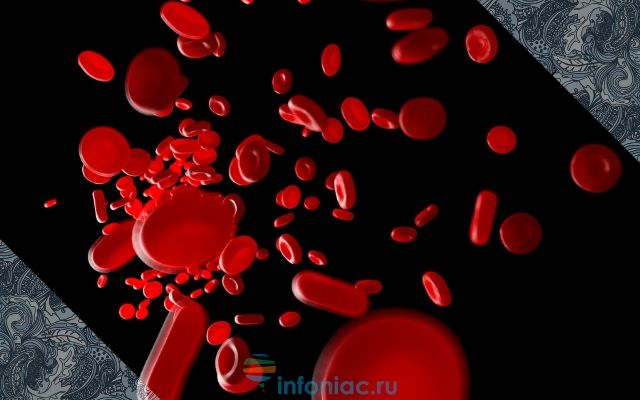
Pale skin, weakness, palpitations and hair loss — this combination may indicate anemia or a deficiency of red blood cells – red blood cells. They carry oxygen from the lungs to the tissues. The hair follicle is very sensitive to oxygen deficiency, which means that when anemic, your hair may not only stop growing, but also fall out. There are two main causes of anemia: bleeding and deficiencies in the substances that make up the red blood cell, such as iron, protein, vitamin B12, and folic acid.
© Science Photo Library
You can find out about the presence of anemia only by taking a general blood test. Additional tests of micronutrients and vitamins help determine whether anemia is B12 deficient, iron deficiency, or folic deficiency. Blood should be examined if a woman loses a lot of blood during menstruation or hemorrhoids often bleed and blood is constantly released with feces. Often, latent bleeding occurs with gastric and duodenal ulcers.
15. Polycystic ovaries
Polycystosis is characterized by the formation of multiple cysts from ovarian tissue. Cysts release hormones, but not female ones, and men secrete testosterone and androstenedione. Hormones change the type of hair growth. Hair begins to grow where women shouldn't have it — on the abdomen, chest, and face.

© Thunderstock/Getty Images
But since the bulbs are more sensitive to hormones on the head, the hair here receives too much of male sex hormones, especially dihydrotestosterone. It gradually reduces the size of the bulbs, causing the thick hair on the head to gradually turn into fluffy hair and fall off. If, along with baldness, you have menstrual disorders, you should take a hormone test and do an ovarian ultrasound.
16. Poor ecology
Air and soil pollution is perhaps the most serious factor that weakens hair. If there are a lot of heavy metals in the soil or the air is saturated with carcinogens, food grown in this land and soaked in gases from the air will contain them in large quantities. The first signal of chronic intoxication may be hair loss. As mentioned above, hair has a “neutralization” system, exactly the same as in the liver. Thanks to the enzyme system, hair is able to process all harmful substances and facilitate their removal from the body. But an excess of toxins causes toxic components to accumulate in the hair and cause it to gradually die off.

© Minerva Studio
The hair of residents of megacities is adversely affected by:
dry and hot air outdoors or from an air conditioner;
hard water;
chlorine in swimming pools;
sun rays.
These risk factors act directly on the hair, dry it out a lot and can contribute to scalp inflammation. To prevent the adverse effects of environmental factors on the scalp and hair, it is recommended to use humidifiers, drink plenty of fluids and wash your hair thoroughly after visiting pool. And to protect hair from burning and scalp from ultraviolet radiation, it is recommended to wear caps.
17. Irradiation
After a dose of harmful radiation, radiation sickness can be obtained. The effects of ionizing radiation can be felt not only by people who live or work near objects that create radiation, but also by disaster cleaners. Moreover, the consequences may not appear immediately, but as radioactive elements accumulate, which are not removed from the body themselves.

© Science Photo Library
The most severe changes occur after exposure to alpha radiation. Radioactive substances enter the body with air, food or water, sometimes even through damaged skin. When absorbed into the blood, radio elements begin to irradiate the body from within. A person goes bald because radiation suppresses the division and growth of bulb cells. It is important that radiation sickness loses hair not only on the head, but also on all parts of the body.
Hair can also fall out if the patient is prescribed radiation or X-ray therapy to treat a malignant tumor. But unlike alpha radiation, X-rays act locally. This means that your hair can only fall out if you irradiate your head.
18. diabetes mellitus
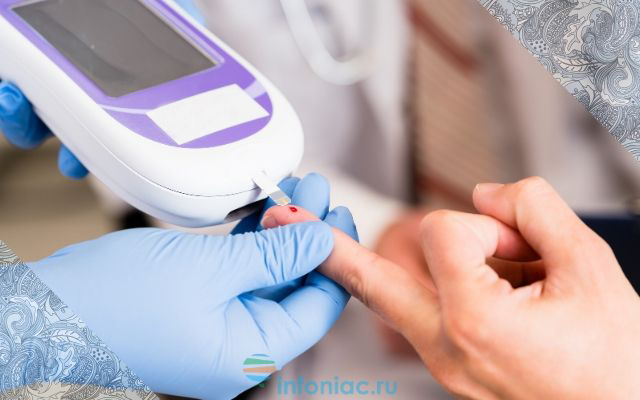
Diabetes hair can fall out even in people under 30 years of age and not only on the head, but also all over the body. Diabetes mellitus disrupts the nutrition of all tissues Hair follicles are also constantly deficient in glucose, the main energy substrate, so cell division in them slows down sharply.
© Kzenon
Diabetes mellitus is characterized by a high level of adrenaline in the blood, which is known to cause vasospasm. It also contracts the muscle around the hair, making the latter thinner. Excess glucose damages small vessels. As a result, scalp microcirculation worsens.
19. Lupus
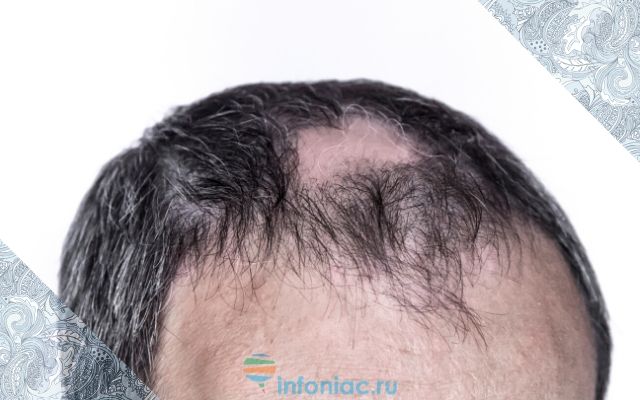
Lupus hair falls out in half of patients. Lupus is an autoimmune disease that affects all organs that contain collagen or connective tissue protein. First of all, blood vessels suffer. Due to inflammation of small vessels and the formation of scar tissue, the lumen of the arteries that feed the hair roots sharply narrows. Inflamed arteries stop supplying blood to the bulbs and hair falls out.
© Juan Jose Jimenez Gonzalez/Getty Images
Hair can also fall out due to the side effects of drugs that are prescribed for the treatment of lupus. If you have severe hair loss, you should consult your doctor. He will select the right dose or replace the drug.
20. Trichotillomania
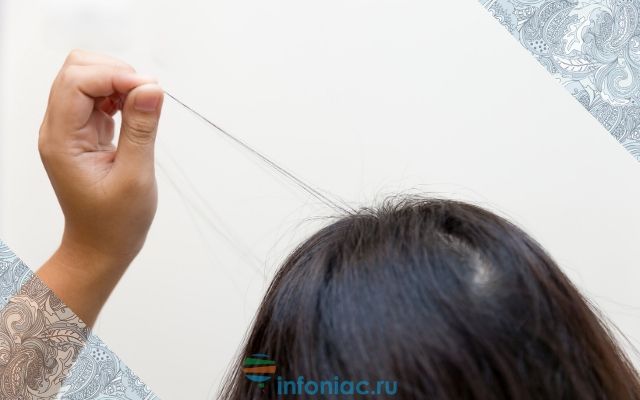
There is a mental illness, trichotillomania, in which a person pulls out his hair himself, especially on the head and eyebrows. Eyelashes, beards and other areas on the body with abundant vegetation also fall under the “anxiety hand”. Unlike neuroses, trichotillomania is almost impossible to control.
© coffeekai/Getty Images
A plucking attack, despite pain, occurs when a person's attention is busy with something, and he does not notice how he pulls out his hair. For this reason, many deny that they have such an inclination. The skin on bald areas is unchanged, but it is common to find several spots with bald patch. If you notice something like this in your loved one, know that only a psychiatrist treats this condition.
The material has an informational and reference function! Before using any products or services, you should consult a specialist!