
 Health
Worried that the store is running out of cleaning supplies? Don't — you have everything you need at home.
The coronavirus can live on some surfaces for several days. However, there are still many things we don't know about him that could infect us.
What we do know from one study (link at the end of the article) is that the virus can live up to 24 hours on cardboard and for two to three days on plastic and stainless steel.
The material has an informational and reference function! Before using any products or services, you should consult a specialist!
Another study (link at the end of the article) in which scientists compared COVID-19 with SARS (aka SARS — Severe Acute Respiratory Syndrome) and MERS (aka MERS — Middle East Respiratory Syndrome), showed that the new virus can live on glass, metal and plastic for up to nine days.
Bottom line: it's best to disinfect everything.
What does coronavirus kill in the home
According to Consumer Reports, where you can find tests by scientists from 50 laboratories and research centers, this is what the virus kills in the home:
Bleach
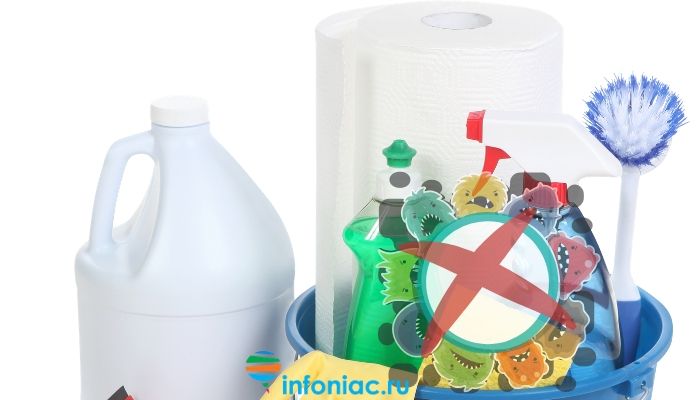
This is an excellent virus protection. It helps to disinfect not only linen, but also the whole house. But don't use it directly from the bottle, as bleach is very concentrated.
Put on gloves first and:
Make this solution: 0.5 cups of bleach per 3.5 to 4 liters of water. Wipe it all over the kitchen from the sink to the floor.
It is possible to disinfect children's toys. To do this, you need a solution of 2 tsp. bleach per 3.5 to 4 liters of water. Dip the toys for 2 minutes and rinse them afterwards.
Do not store the solution for more than two days, as it can decompose some types of plastic.
Read also: Vitamin D increases the body's resistance to infections: how to make up for its deficiency
Hydrogen peroxide
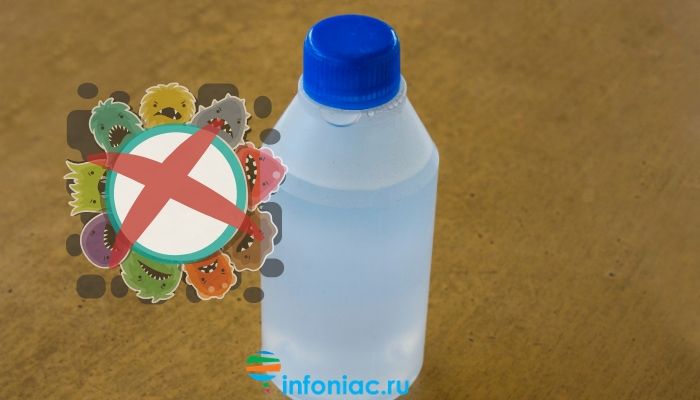
According to the Center for Disease Control and Prevention, ordinary hydrogen peroxide (3 percent should be written on it) can cope with bacteria, viruses, spores and fungi. It also treats rhinovirus, which causes colds.
Technically speaking, peroxide “produces destructive hydroxyl free radicals that can attack membrane lipids, DNA, and major cell components.”
Pour it into a sprayer and clean any surface in the house, including door handles and switches. Leave the hydrogen peroxide untouched for a couple of minutes before wiping it off.
Read also: Hydrogen peroxide in the fight against viruses: disinfection and home antiseptic
Isopropyl alcohol
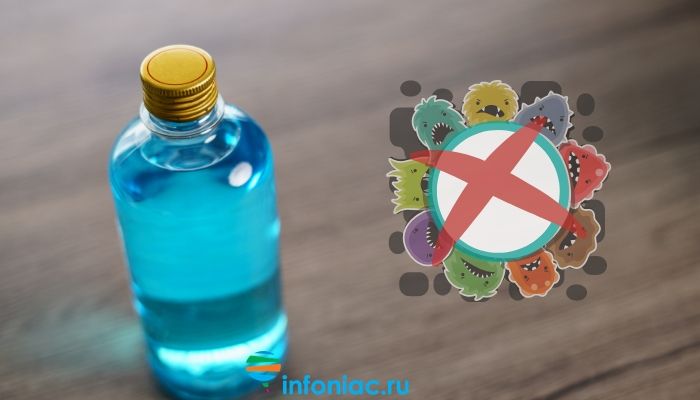
Do not confuse it with alcoholic beverages you may have at home. We are talking about an alcoholic solution with at least 70 percent alcohol content. There is no need to dilute it.
Use a solution to clean any surface, but beware of plastics as alcohol can cause the color to change.
Soap with water
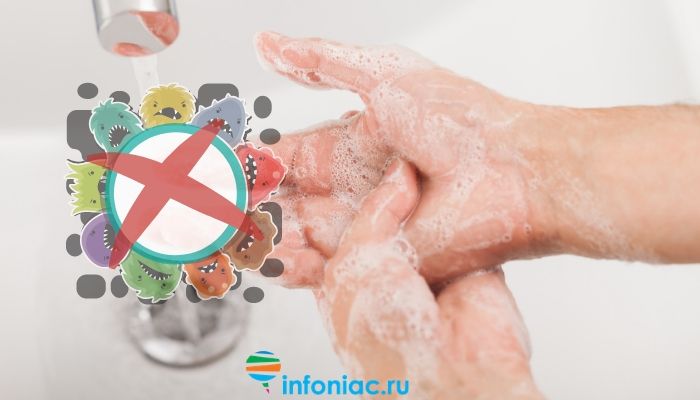
We often hear that we should wash our hands regularly with soap and water. It is better to use warm water and wash your hands for 20 seconds (you can sing Happy birthday to you).
Soap works better than disinfectants in killing viruses. This happens by dissolving the fat membrane, which causes the virus to become inactive.
Make sure you use a clean towel to dry your hands.
What does not help adequately against viruses
Disinfectant made at home
Contrary to popular opinion on social media, homemade hand sanitizer is not as effective. This is because the hand products we buy in the store are created by professionals with extensive scientific experience. They don't just mix water, aloe and essential oils. It's best to just wash your hands with soap and water.
Vodka
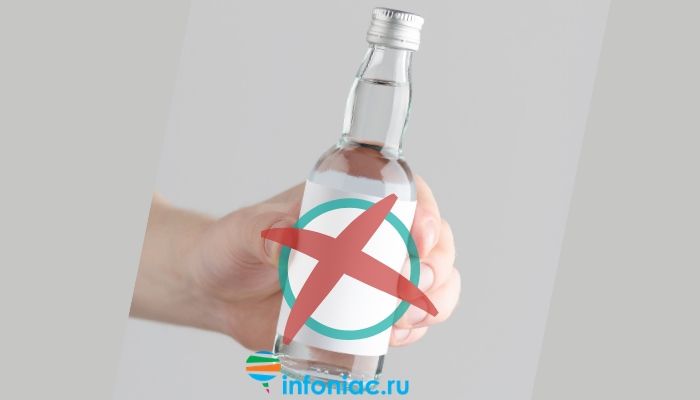
Vodka is not suitable for cleaning and disinfection. It is ineffective against coronavirus. Some brands even wrote the following on their vodka bottles:
“According to the Centers for Disease Control and Prevention, hand washing with soap and water is the best way to get rid of germs in most situations. If soap and water are not available, you can use an alcohol-based hand sanitizer that contains at least 60% alcohol.”
Vodka consists of 40% alcohol and therefore does not comply with current recommendations from the Center for Disease Control and Prevention.