
 Incredible facts
Most introverts hate talking on the phone, for several reasons.
This phenomenon is very difficult for extroverts to understand, as the latter can spend hours on the phone talking about various topics.
Dislike for telephone conversations can cause misunderstandings in couples and with other people, so it's worth looking into this issue.
About introverts
What is an introvert?
An introvert is a person who is exhausted from communication and recharges when alone.
This is a person who prefers a quiet environment with minimal external stimuli.
The first thing to understand is that each of us has our own communication style and innate energy direction. For example, introverts tend to channel their energy inward into their big inner world.
They draw energy from thinking and analyzing emotions and thoughts.
Loneliness is not a burden for them; they learn by thinking, developing their interests and maintaining close relationships with a narrow circle of people. Introverts prefer to communicate primarily through writing, and they are very sensitive to their space and personal lives.
Extroverts, on the contrary, channel energy outward, receiving it when communicating with others and acting. They like to be the center of attention, they generate ideas by discussing and thinking their thoughts out loud, trying to express themselves in one way or another, learn by doing, and supporting a wide range of friends.
Read also: 10 misconceptions about introverts
This difference in communication style is most striking when we talk on the phone.
If an extrovert calls an introvert, especially several times a day, the introvert tries to avoid talking in every possible way. If an unfamiliar number is displayed, this can even become a small problem and a source of stress.
But even if a close friend or family member calls, this also sometimes causes discomfort and negative emotions. So why does this happen?
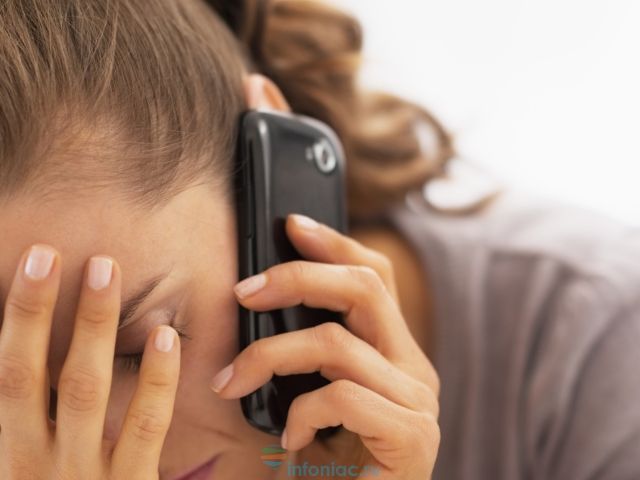
© Alliance Images
1. A ringing phone is an invasion of privacy
Introverts tend to be fully immersed in their own affairs or thoughts, and an unexpected call often interrupts a difficult thought process and solitude.
They have an innate need for silence and introspection. And no matter who calls, it still feels like an invasion of the interior space.
For an introvert, there's nothing worse than a call from an intrusive salesman. All he thinks about at this moment is how to say goodbye to an uninvited guest as soon as possible.
2. The unknown is very worrying
Introverts like to think things through in advance, and an unexpected call makes them nervous. A blocked or unknown number can cause panic.
He has a question in his head: “Who could this be?” , raising suspicions and doubts. After all, introverts are used to building close, trusting relationships with people before talking to them on the phone.
Moreover, it is important for them to control and understand everything they do. Inventing on the go without being able to study the topic thoroughly is clearly not what an introvert enjoys.
3. Empty chatter is pointless
Most phone conversations start with a discussion about the weather or minor things that each of us does.
Introverts don't like superficiality, and they don't have time for empty talk. They would love to sit on their favorite sofa and have conversations about the meaning of life and global problems.
4. Phone calls are tedious
An introvert learns information in the following order: after hearing it, thinking it over and analyzing it, answering it, and maybe thinking it over again.
This is what happens to extroverts at this point: they hear, talk, think, talk and talk again.
Trying to absorb large amounts of sensory information without interruption can be quite tedious.
And while introverts are great listeners, don't be surprised if they often switch off or keep quiet during a conversation, making you wonder if they're listening to you on the other end of the line. They want to get to the bottom of the conversation, but out of courtesy they don't tell you you're too distracted.
5. You can't see the other person
For many introverts, it is very important to read the gestures and facial expressions of the other person. During a telephone conversation, we only hear words and intonation without seeing the person's facial expressions or other sensory information.
In fact, during a normal telephone conversation, the introvert's brain is overloaded in an attempt to understand the true meaning of a person's phrases, which gets on the nerves and causes great discomfort.
6. The interviewee puts the introvert in an awkward position
Introverts prefer to think about information before answering, so they like to communicate in writing via messages or emails. During a phone conversation, an introvert has far fewer opportunities to think things through carefully before answering.
A phone caller often asks for an immediate response when asking questions about important decisions or conflicts at work or at home.
Not that an introvert avoids responsibility, but rather takes time to sort out the problem and express his idea clearly. It is for this reason that they like to communicate in writing when there is an opportunity to respond after deliberation.
Test: Do you have a phone phobia?
© DCDP/Getty Images
Although talking on the phone seems commonplace to most people, it is a source of great stress for someone who suffers from a fear of talking on the phone.
To check if you are suffering from this phobia, answer the following questions.
1. Do you feel anxious before or after a phone call?
2. Are you delaying calls because you're anxious?
3. Are you afraid to disturb another person over the phone?
4. Are you considering talking on the phone?
5. Are you worried that you'll find yourself in an awkward position while talking?
6. Do you avoid phone calls and get others to call?
7. How long have you been thinking about what you said after the call?
8. When you talk on the phone do you experience any of these symptoms:
shivering
difficulty
concentrating nausea
rapid heart rate and heart rate
If you answer “Yes” to at least one of these questions, you are afraid to talk on the phone.
How to overcome fear and hate to make phone calls

© Master1305/Getty Images
Dislike for telephone conversations does not mean that an introvert is ready to stop calling altogether. There are several ways to avoid this problem and get the most out of the conversation.
If you're an extrovert, remember that an introvert doesn't hate you, ignore you, or have personal accounts with you. It just works differently.
Send your introvert friend an email or text message to arrange a meeting.
Give the introvert some time to think things through, and don't constantly try to rush them to answer.
Start the conversation with something that an introvert feels comfortable talking about, something that makes them feel at ease, to prepare them for a long conversation.
Know when to stop. Give the introvert time to relax after talking.
If you're an introvert, don't be too hard on yourself. Find ways to make phone calls not a burden for you.
Read also: Test: Are you introverted, shy, or do you just hate people?
Use a melodious, easy-to-hear ringtone that gets louder gradually rather than immediately, causing a nervous shock.
Choose a special ringtone for your most important contacts so you know who's calling and decide if you're ready to answer the call right now.
If you need to call, consider what you want to say and rehearse the different answers.
Give yourself some time to think. It's okay if you say, “I'll call you back tomorrow and give you an answer.”
Don't blame yourself for wanting to be alone. Finish all your work and talk when you're ready.