
 Science
Each of us is at least familiar with the pyramids and tombs of the pharaohs in Egypt.
However, many interesting discoveries in the history of archaeology have remained a mystery to us.
Some archaeological finds are rarely mentioned in books, despite the fact that they are indeed of very significant value for scientists and for science in general.
Interesting archaeological finds
1. L'Anse aux Meadows
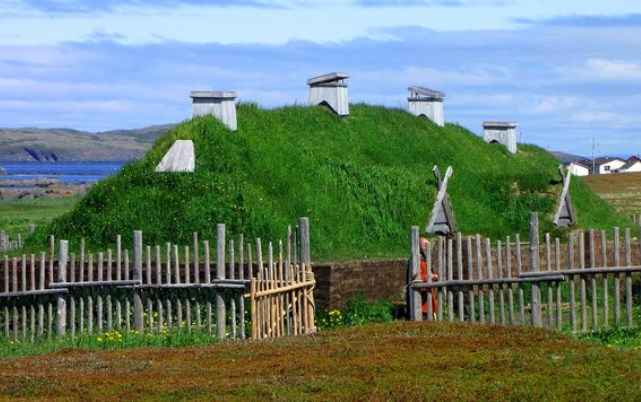
Presumably, this ancient settlement was built by the Vikings and is considered their westernmost habitat. Such an unusual historical and archaeological site is of particular interest to scientists.
The fact is that it was built 500 years before Columbus discovered North America, and this fact makes this discovery incredible.
According to archaeologists, the Vikings, who founded the settlement in L'Anse-au-Meadows, came to this area from Greenland.
2. Sacsayhuaman (Saksaywaman)
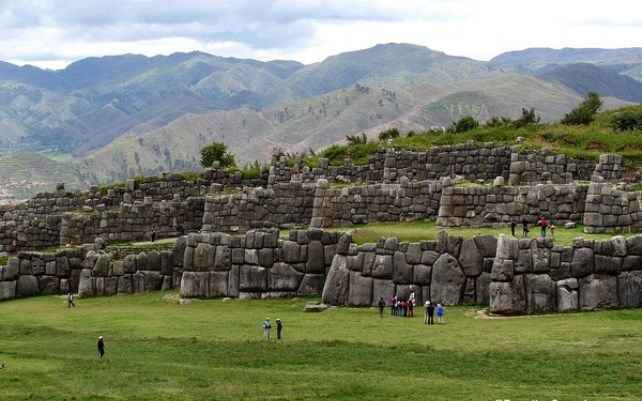
The fortress is located outside Cusco, Peru – in the former capital of the Inca Empire.
The giant rocks of this extremely complex compound are so tightly installed together that even hundreds of years after they have been built, you can neither slip between them nor even cut through the sheet papers.
Many modern scholars deny the serfdom of this citadel.
Only the Incas had the right to enter this complex. The citadel was considered the home of the Sun, a place for weapons and war. The hierarchical ladder could only be headed by a legitimate Inca of royal blood.
Unusual archaeological finds
3. Mohenjo-Daro
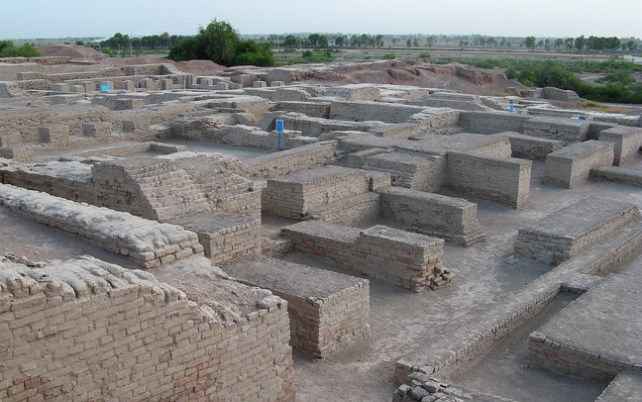
Built back in 2600 BC, this city, which is located in present-day Pakistan, is one of the first examples of modern urban development.
The city has roads, and even a functioning sewage system that was used for its intended purpose.
The streets were 10 meters wide. Scientists have also found places here that are analogous to the first public toilets, which indicates a fairly high development of the city's sewerage system.
Read also: Archaeological discoveries made in the most unexpected places
Most scientists believe that during its heyday the city was the most developed of all, so it was rightfully considered the administrative center of the Indus Valley civilization.
Ancient archaeological finds
4. Göbekli Tepe
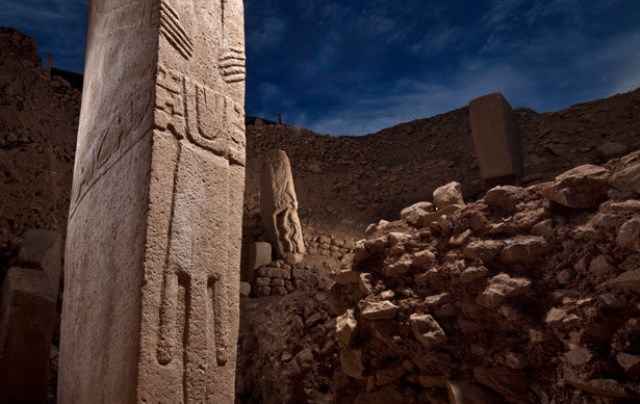
This finding was so significant that it made archaeologists rethink what we previously knew about the origins of human society.
The Gobekli Tepe temple complex, located on the Armenian Highlands, one of Turkey's mountain peaks, is an ancient megalithic structure.
The structure of this building, as it turned out, preceded the emergence of agriculture (9,000-10,000 BC). This discovery confirms that it was church and religion that were the beginning of civilization, not trade relations.
Mysterious archaeological finds
5. The Longyou Grottoes Caves
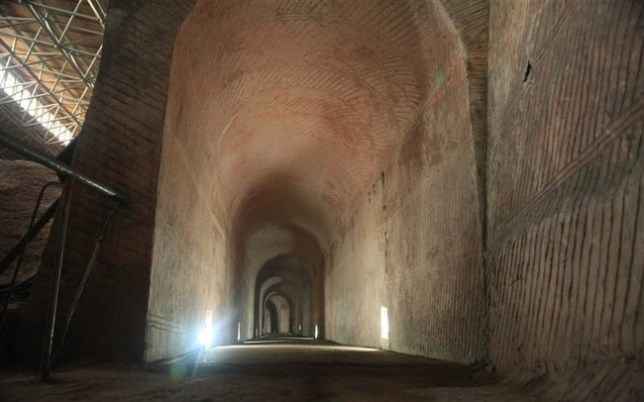
The scale of these tunnels found in Zhejiang Province, China, is amazing. They date back to about 212 BC.
Archaeologists, experts in architecture and geology from around the world are unsuccessfully puzzling over how these mysterious grottoes were built, by whom and for what purpose.
These unusual tunnels consist of pillars that support the ceiling from the floor. Parallel lines are carved on the walls of each of the caves. This precise and surprisingly uniform pattern raises a number of questions among specialists: how, by whom and for what purpose it was applied.
6. Costa Rican stone balls
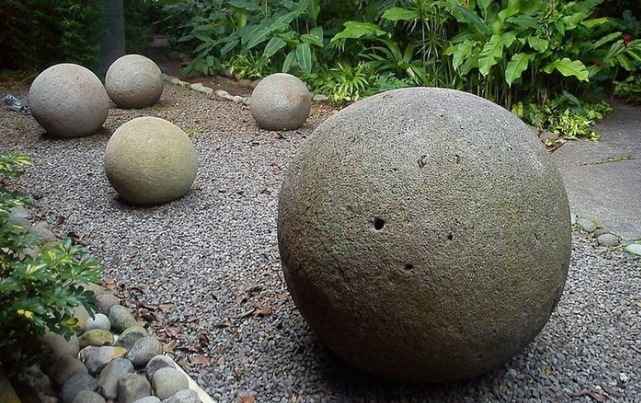
Very little is known about Costa Rica's mysterious stone balls. According to scientists, these gigantic spheres were probably made by people who lived near the mouth of the Dikvis River in 700-1530 AD.
Read also: The most important archaeological finds of the 21st century
Experts say that the material for creating the balls was gabbro, limestone or sandstone.
According to legend, these balloons are relics of the lost city of Atlantis.
7.” Yonaguni Monument”
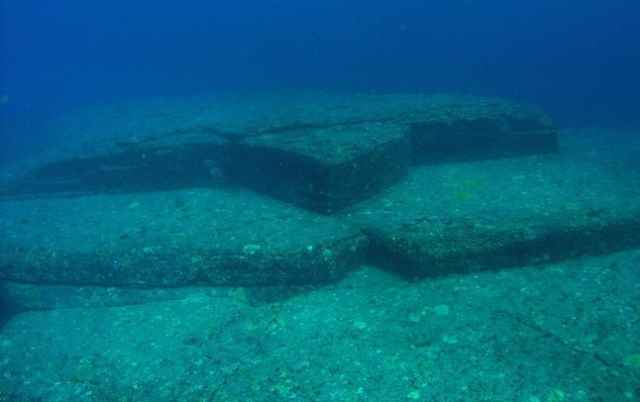
The terraced formations near the Ryukyu Islands are commonly referred to as the “Yonaguni Monument”. Archaeologists from around the world have long been arguing about the origin of this strange underwater monument discovered off the coast of Japan.
Some talk about its natural origin, while others claim that it was created by human hands.
The monument consists of two identical obelisks, which seem to have been built by human hand. The structure above them, known as the “turtle”, also raises many questions from scientists.
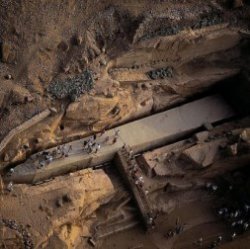
8. Unfinished obelisk
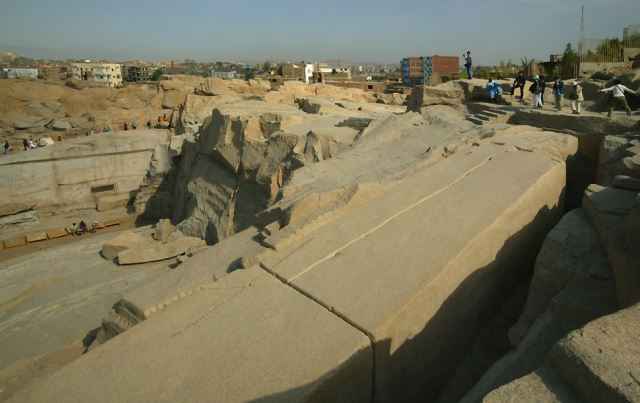
Archaeologists attribute an obelisk recently discovered in the Egyptian city of Aswan to the female pharaoh Hatshepsut. Presumably, its manufacture took place in the mid-1500s AD.
For some reason it wasn't finished. Despite this, the mysterious obelisk is the largest Egyptian obelisk known to history.
If its construction were completed, the obelisk would be the largest and heaviest monument on Earth.
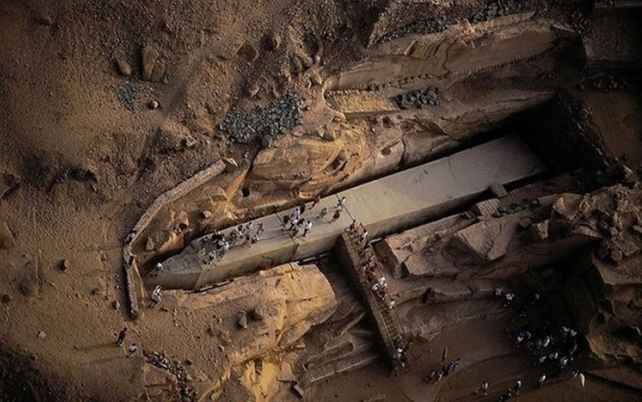
It is not surprising that this creation of human hands is of great interest not only to archaeologists. It also attracts many tourists from all over the world who want to learn the mysteries of ancient civilizations.