
 Science
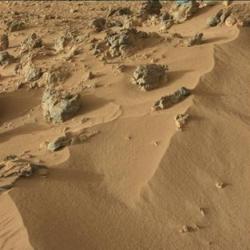
The Curiosity rover sifted and scanned the first sample of Martian soil and found it to be very similar to Hawaiian soil.
The ChemIN robot's tool shook small particles of soil and determined its composition using X-rays. Sand samples will help you learn more about the geological history of the Red Planet.
As expected, most of the samples consist of weathered basalt materials of volcanic origin common in Hawaii.
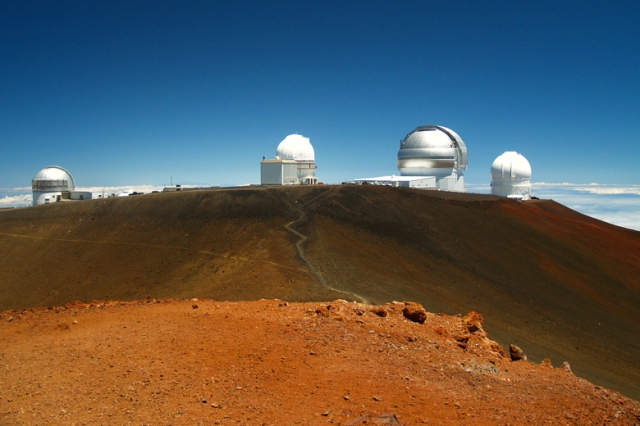
The samples contain dust brought from afar by the storms of Mars, as well as larger sand of local origin. In general, the samples are very similar to the volcanic soil of the Mauna Kea shield volcano in Hawaii.
Curiosity rover: soil analysis
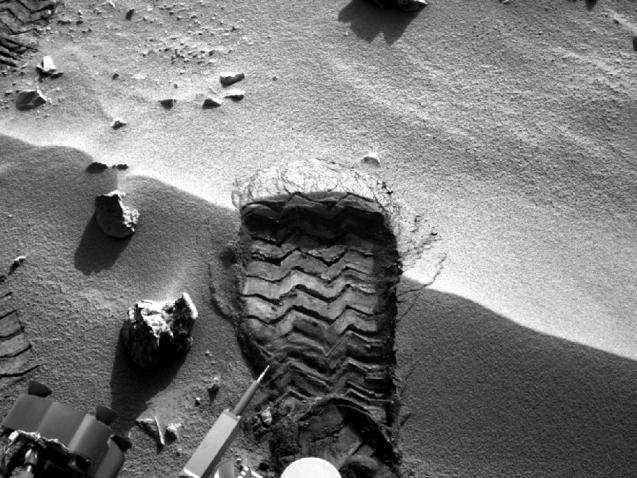
The Curiosity rover's mission began on August 6, 2012, when it landed on the surface of Gale Crater, a huge hollow on Mars' equator. Since then, it has traveled more than 480 meters east to the site known as Glenelg, which, according to satellite images, is an interesting intersection between three different geological areas. Curiosity took the first sample of Martian soil from the Rocknest area.
The first analysis was carried out to clean up a system of samples that could contain pollutants from Earth and distort data on the Red Planet. During the study, for the first time, X-ray diffraction analysis of another planet was used, which will help identify the chemical composition and structure of the soil.
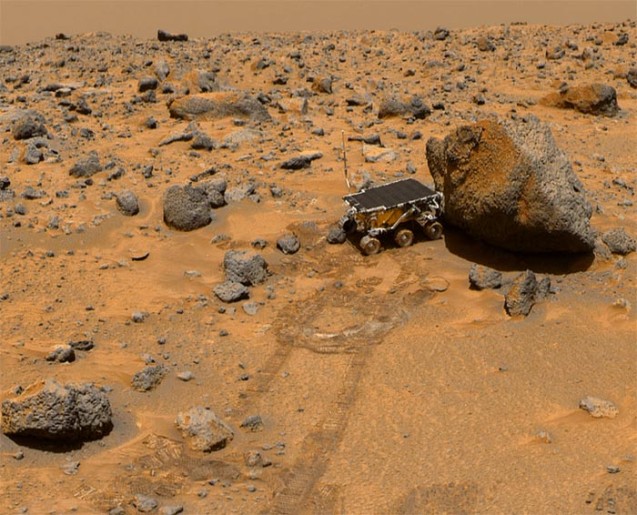
Using the ChemIN tool, samples were sifted, separating components smaller than 150 micrometers — that is, approximately equal to the thickness of two human hairs.
Scientists said that the sample contains a “significant amount” of the minerals spar, olivine and pyroxene. So far, this is in line with the original idea of moving from a humid to a dry climate.
The next step will be an analysis using the SAM instrument, which will detect the presence of organic, carbon-containing molecules that will indicate the prospects for life on Mars both now and far away the future.