
 Events
Seven months after the Curiosity rover landed on Mars, NASA scientists at a conference finally confirmed that the planet had important ingredients for life.
Analysis of samples of ancient and once water-washed rocks from the Gale Crater on the Red Planet showed traces of sulfur, nitrogen, hydrogen, oxygen, phosphorus and carbon, that is, all the necessary elements to keep microbes alive.
About 20-30 percent of the sample consisted of clay minerals. They form in the presence of water that is not too acidic or salty. In other words, it is a potentially habitable environment.
NASA experts also reported that water that once flowed in an area known as Yellowknife Bay was most likely drinkable.
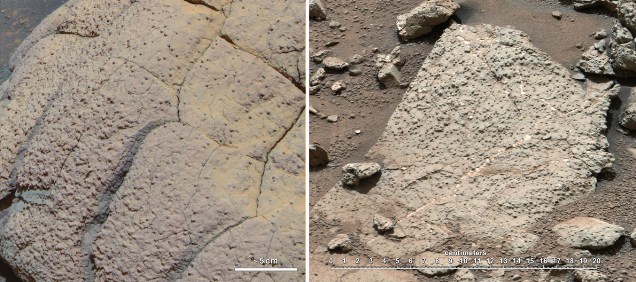
The analysis, which confirms the availability of organic matter necessary for life like that on Earth, was interrupted due to a crash on Curiosity's main computer. But in the remaining 17 months of the rover's mission, scientists hope to delve deeper into this issue.
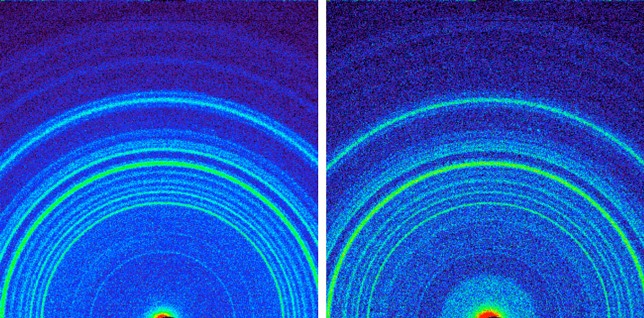
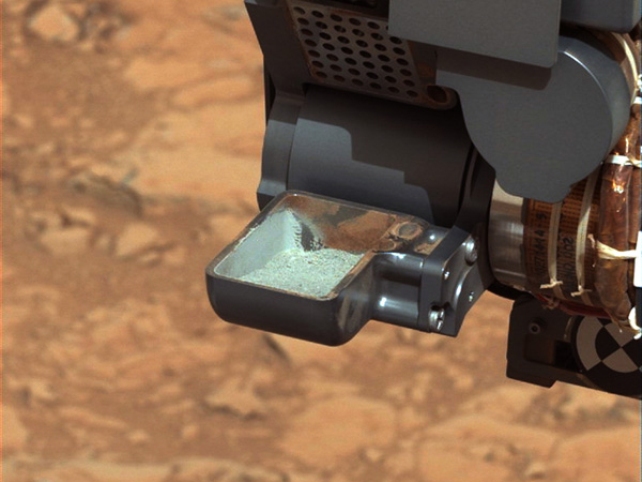
Comparison of samples collected at the Rocknest site and John Klein. John Klein's sample contains a large amount of clay minerals and a lack of salt, which indicates the presence of fresh water. The Rocknest sample indicates a dry, wind-induced environment with little water activity.
In May, after a radio break that will last about a month due to the position of Earth and Mars, scientists plan to drill another hole in the Gale Crater in search of organic compounds.
Curiosity rover on Mars: the latest news
The Curiosity rover landed in the huge Gale Crater, which is located near the equator of Mars on August 6, 2012 and will spend 2 years on the Red Planet. It is equipped with 10 scientific instruments to find out if the environment was suitable for microbial life.
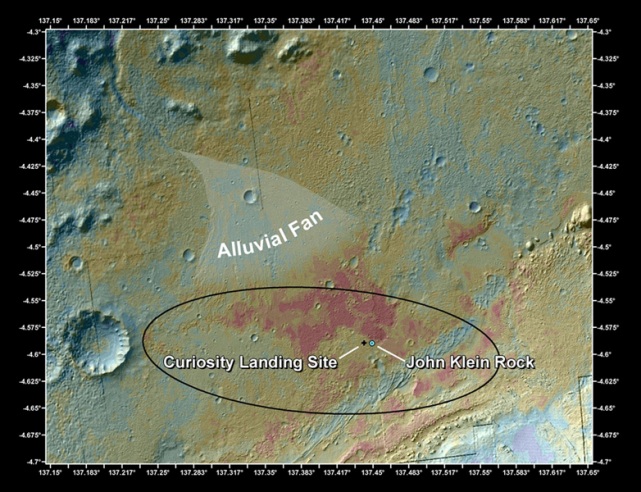
Scientists were attracted to this area, as it is home to Mount Sharpe, which rises 5 km. But shortly after landing, the team decided that the rover would first need to explore the Yellowknife Bay area, which is in the opposite direction from Mount Sharpe.
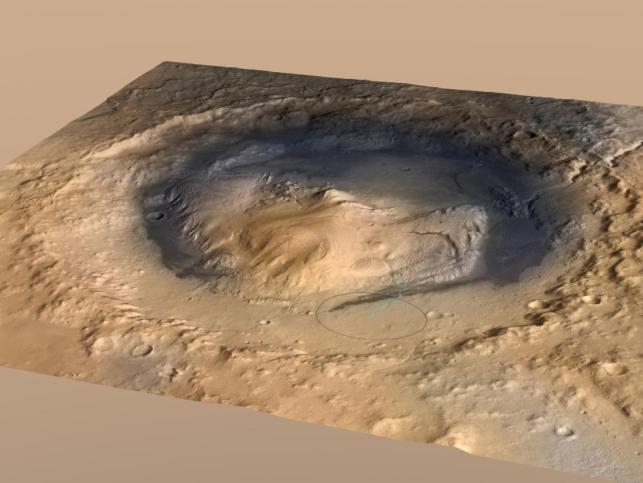
Observations from orbiting satellites showed three different types of terrain in Yellowknife Bay and a slight elevation, which indicated that water once flowed and collected on the surface.
This assumption was confirmed by the first chemical analysis of soil sample material at a location named John Klein.
Scientists plan to send Curiosity to Mount Sharpe later to learn more about the duration and variety of habitat conditions.