
 Science
The theory of evolution by natural selection completely changed the way we think about the world 150 years ago. This theory has touched on all aspects of life, including politics and religion. However, despite so many discoveries, the theory of evolution is still quite controversial.
Over the 3.5 billion years of its existence, the Earth has experienced many events, many of which we are not even aware of yet, but over the past 10 years, scientists have made several important discoveries that help us make significant progress in understanding our past.
Gene transfer
Discovery: Butterfly supergenes demonstrate an unknown method of inheriting genetic information
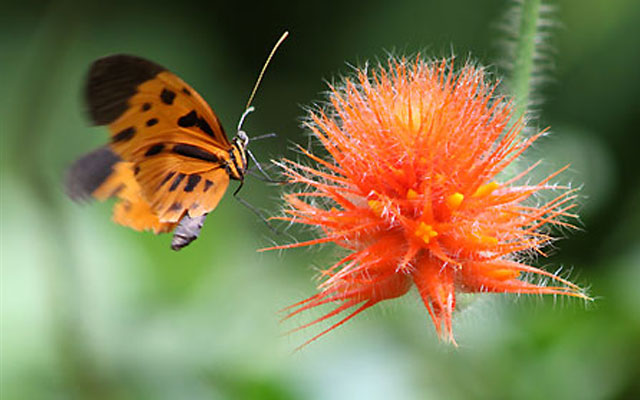
Heliconius numata butterflies have puzzled scientists for a long time. The population of these insects carries 7 different wing patterns, each determined by a combination of many different genes. The color helps butterflies hide from predators due to their resemblance to other “inedible” species.
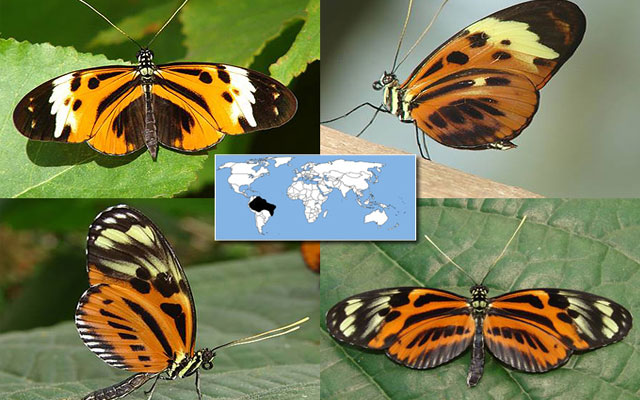
If parent butterflies with different patterns produce offspring, their genes mix and produce a mixed pattern. The principles of transmission of hereditary traits — Mendel's laws — do not work in this case.
In 2001, a group of British and French researchers discovered the existence of a so-called supergene, a cluster of 18 genes that are passed on immediately by a group. Offspring do not inherit each parent's mix of genes, but specific dominant and recessive supergenes, allowing a distinct trait to develop. Butterflies of this species have other mysteries, for example, so far scientists can't understand why as many as 7 drawings scare birds away when just one would be enough.
Human hybrids
Discovery: Humans interbreeding with chimpanzees in the distant past
It is known that chimpanzees are the closest living relatives of modern humans. Cross-breeding between these two species has attracted much attention from researchers over the past century. There have been many rumors about scientists trying to get a human-monkey hybrid.
Many believed that Oliver was a human-chimpanzee hybrid. But last year, DNA analysis showed him to be a common chimpanzee, but with some human traits.
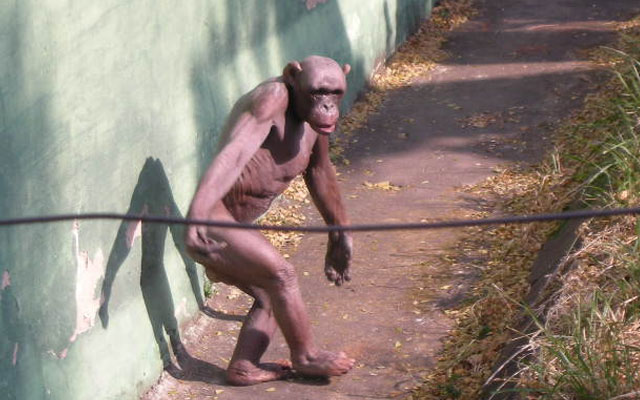
Research has shown that chimp and human ancestors continued to interbreed after 6.3 million years separated from their common ancestor and became separate species. It is interesting that they continued to do this for the next 1.2 million years. The results were very unexpected and opened up a new branch in the study of the human past.
Flight and echolocation in bat life
Discovery: A decade-old bat mystery finally solved with intriguing fossils
Bats are the second largest order of the mammal class. These animals are the only mammals that can fly fully, and not just soar in the air. They use echolocation at a level that no other terrestrial creature can use. These features of bats have long puzzled scientists: what came first?
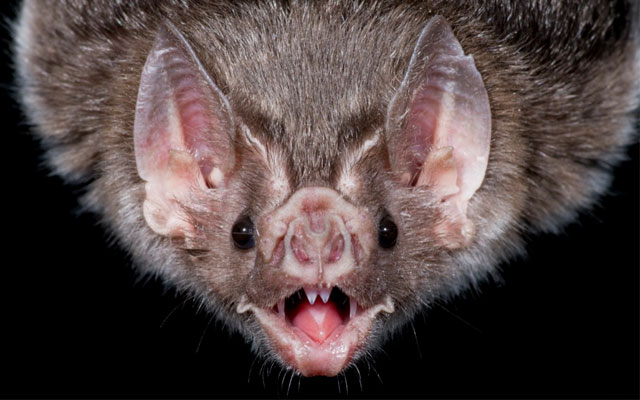
A few fossils found in Wyoming in 2003, called Onychonycteris finneyi, have lots of strange features. The five fingers of these animals have claws similar to those of modern bats, which could be adaptations for climbing trees.
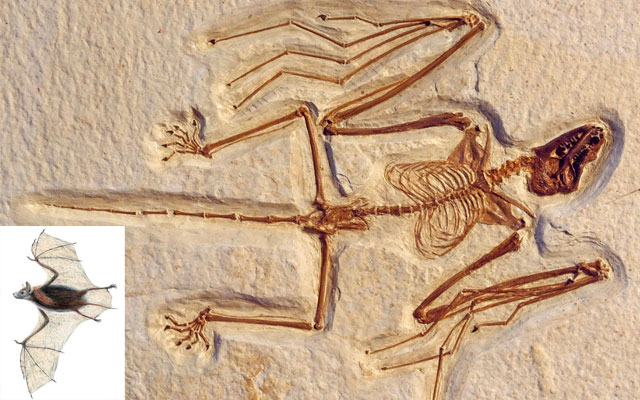
Moreover, this creature is able to fly and did not use echolocation, which proves that the ability to fly did develop earlier. The fossils, which are approximately 52 million years old, put an end to scientists' arguments and have added to dozens of other examples of transitional forms that creationists do not want to notice.
Tiktaalik
Discovery: Tiktaalik is an intermediate link between fish and land animals
One of the most important events in the evolution of animals is their release from water to land. Four-legged animals were the name of the first animals that left the water area and got limbs to walk on land.
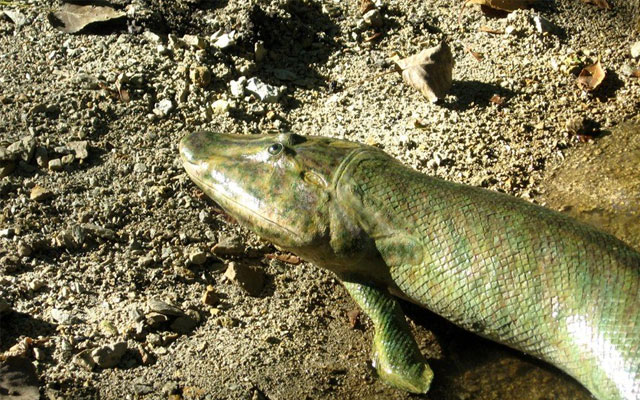
The first tetrapods were the ancestors of all living reptiles, amphibians, birds and mammals. Scientists have long known that tetrapods evolved from lobed fish, the most famous of which is the coelacanth. For a long time, however, there was no evidence of when fish soft fins developed into bony limbs. According to some estimates, this happened about 350-400 million years ago.
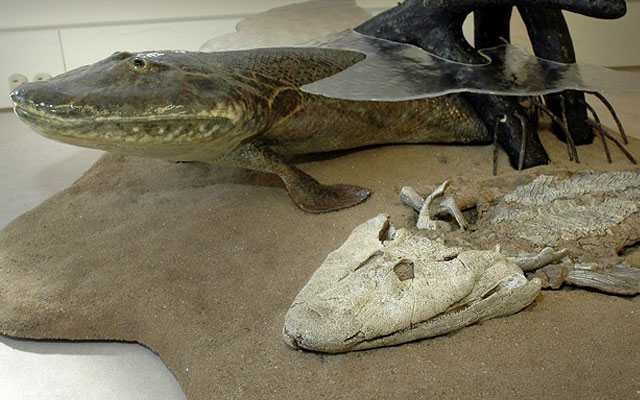
Tiktaalik, whose remains were discovered in 2004 in Canada, has changed a lot of things in scientists' minds. It was called the missing link. This creature is still a fish, but it has already developed limbs with fingers, wrists, elbows and shoulders.
Lice
Discovery: Lice help learn a lot about mammalian history
The development of genetics has allowed us to open doors to a past that was difficult to imagine 5 years ago. Lice have been bothering humans for about 10,000 years, and only recently have they been used for genetic research.
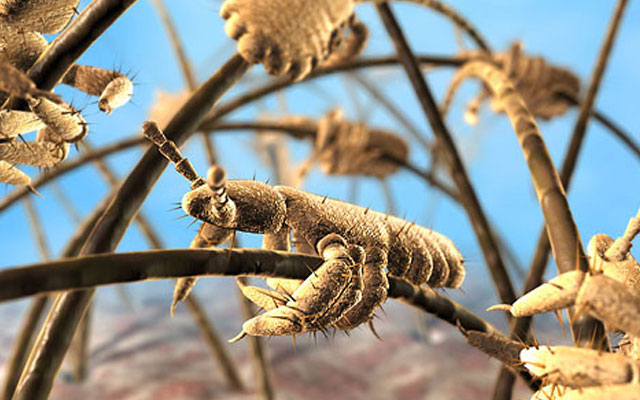
These parasitic insects have tenacious claws and adapt to the host. If the species they parasitize develops into a new species, lice follow suit. This speciation means that lice lineages based on DNA can be very accurately identified with just a few fossils.
The lice DNA analysis was done by a team of scientists from the Natural History Museum in London, which allowed us to learn a lot about the evolution of birds and mammals. Researchers have found that lice that parasitized birds and mammals began to divide into species even before the extinction of dinosaurs.
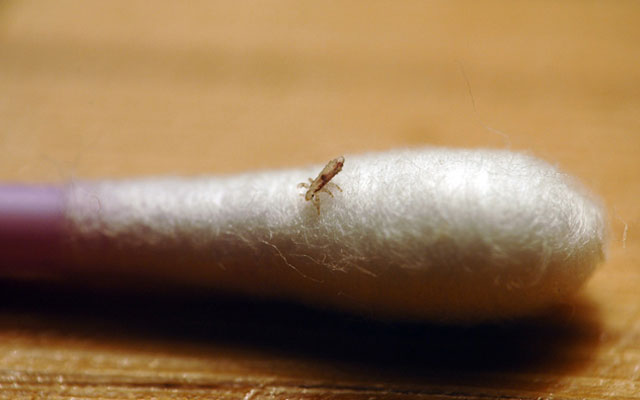
Thus, mammals, by then, also formed many of the groups known today. This contradicts an earlier theory that this event occurred after the dinosaurs disappeared. There is also a high probability that the distant ancestors of modern lice once fed on dinosaur blood.
Bilateral symmetry of the animal body
Discovery: A giant amoeba casts doubts about when symmetry appeared in living organisms
One of the fundamental features that has developed in animal organisms is bilateral symmetry. If you split a person into 2 halves from top to bottom, you'll get 2 sides that are exactly the same, but in a mirror image.
All animals, from flatworms to sharks and elephants, have such a peculiar body structure that proves once again that bilateral symmetry is more than common.
Scientists have long debated when this characteristic evolved, and the most convincing theory was that this trait originated about 550 million years ago. Evidence was found on the seabed in the form of traces left by living creatures of the time. The researchers considered that only animals that had body symmetry could leave these direct traces.
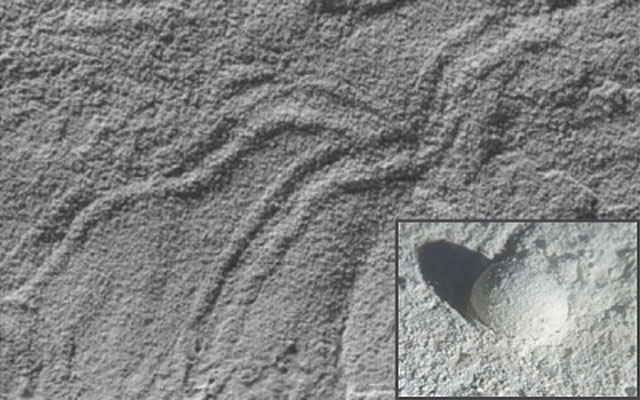
Researchers at the University of Texas made a discovery in 2007 that cast doubt on this theory. While diving off the coast of the Bahamas, Dr. Michael W. Dr Mikhail V. Matz and his colleagues filmed an amoeba about 2.5 centimeters wide.

Amoeba of the species Gromia sphaerica, living now
This amoeba is a single-celled creature that rolls across the ocean floor. The creature moves, releasing protoplasm, and has a nucleus filled with water, which allows it to hold its shape. The amoeba leaves traces similar to those found in fossils, which proves that double symmetry most likely appeared several tens of millions of years later than was assumed earlier.
Deciphering the human and Neanderthal genomes
Discovery: Deciphering the Neanderthal genome makes it clear that they are our relatives
Neanderthals were a human species that looked a lot like us. There is evidence that these creatures were as smart as us, but they were physically stronger. Before their extinction about 30,000 years ago, Neanderthals had developed many aspects of culture.
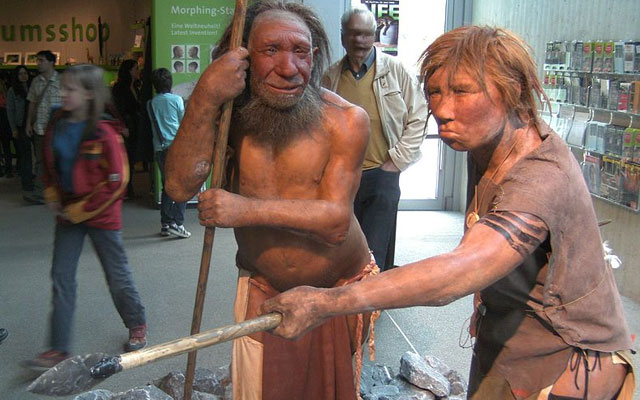
Since they have disappeared relatively recently, it is possible to isolate and study their DNA. In 2010, scientists from Germany's Max Planck Institute published a drawing of the Neanderthal genome sequence, which happened less than 10 years after the human genome was deciphered.
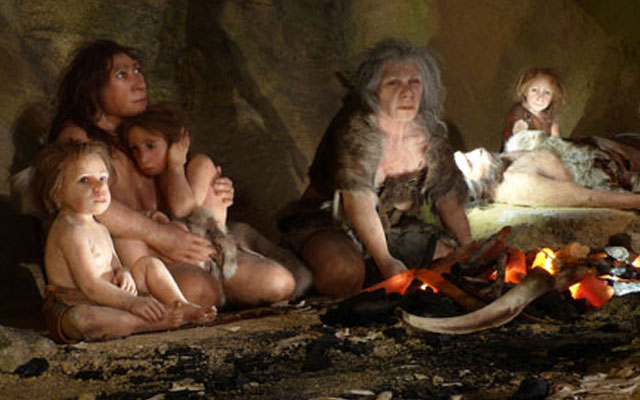
About 1 to 4 percent of modern human DNA can be found in Neanderthals, which proves that these species interbred. A study published last year questions this claim, suggesting that having the same genes could indicate a common ancestor.
We will probably never know the exact answer to this burning question, but we can say for sure that we were in any way related to Neanderthals, they looked a lot like us.
Australopithecus afarensis
Discovery: A new well-preserved skeleton of a young specimen of Australopithecus afarensis
The most famous human ancestor is probably the female Australopithecus Lucy, whose skeleton was found in 1974. This skeleton appears to be 3.2 million years old. Although scientists found only 40 percent of her skeleton, this discovery was a huge contribution to the development of science.
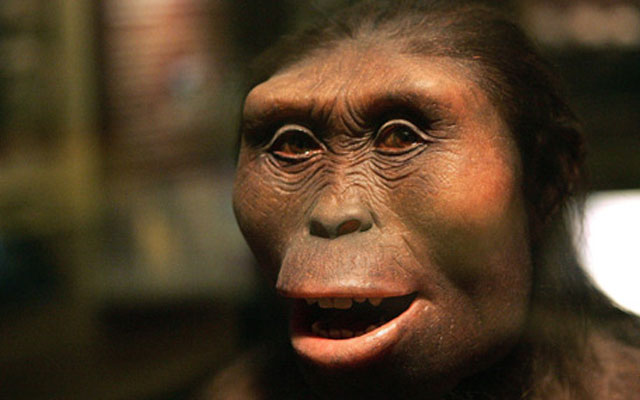
Australopithecus afarensis species (lat. Australopithecus afarensis) was the oldest known species at the time, appearing after humans and monkeys separated from a common ancestor. In 2006, scientists published a new sensation: the journal Nature published information about the fossils of another member of the Australopithecus afarensis species, which overshadowed Lucy's fame.
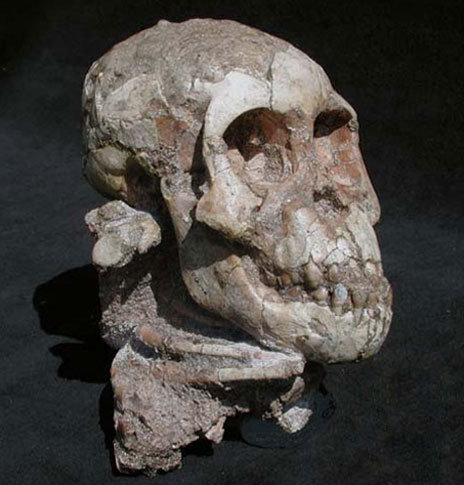
Although the last skeleton found is almost 120,000 years older than Lucy, it has been named “Lucy's Child”. It was the skeleton of a 3-year-old female cub Australopithecus Afarensis. The skeleton was more complete than Lucy's, which was also a great success, as baby skeletons are extremely rare.
The oldest human ancestor
Discovery: Ardipithecus is currently considered our oldest ancestor
Lucy and her Child's fame as the oldest human ancestors finally faded after scientists discovered the Ardipithecus skeleton of the Ardipithecus ramidus species, described in 2009. The researchers found the skeleton of a female named Ardi, which probably weighed about 50 kilograms. She lived more than a million years before Lucy.
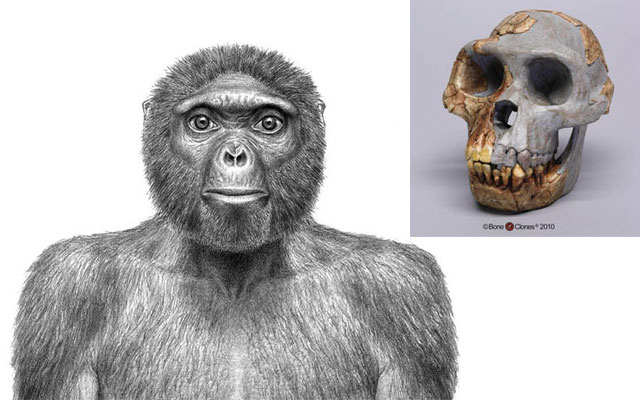
Ardi found a mixture of some features that are common to both more advanced creatures and more primitive creatures. It was probably an intermediate species between humans and monkeys, researchers say
Human non-coding DNA
Discovery: Non-coding or junk DNA isn't really that useless
When the decoding of the human genome was first introduced in 2000, it turned out that 97 percent of the 3.2 billion genes in the sequence had no obvious functions. The primary function of DNA is to provide the structure of proteins and store information embedded in genes. However, only 3 percent of DNA molecules make up for these functions.
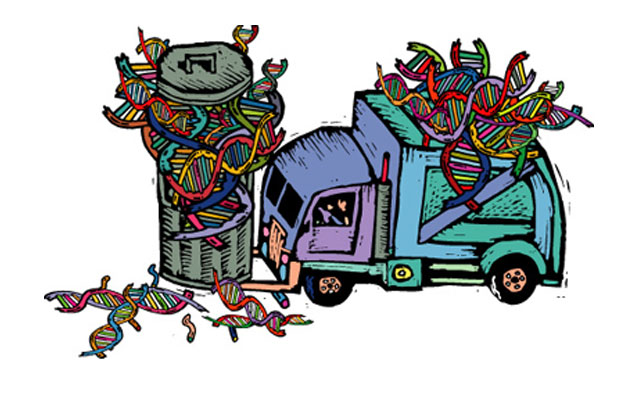
Scientists have long called such DNA “junk”. However, in September 2012, an international project called the Encyclopedia of DNA Elements published a number of articles proving that about 80 percent of the genome is biologically active.
Less than a year after this discovery, scientists found other evidence: a part of the non-coding DNA that plays a fundamental role in the formation of heart cells was isolated.
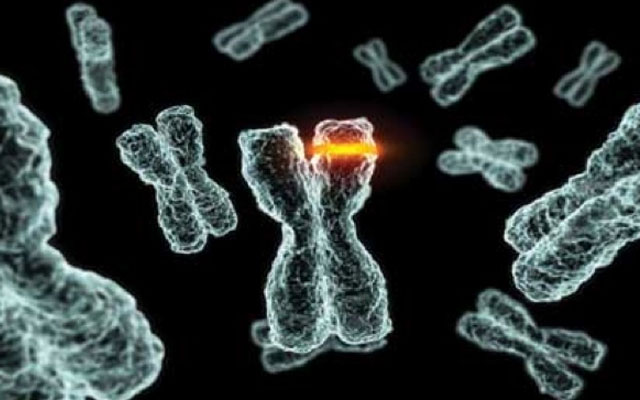
At the same time, another group of scientists discovered non-coding DNA mutations that have proven to be key causes of skin cancer. Both of these discoveries play a huge role in the development of medicine, although researchers have not yet gone far into studying this issue.