
 Health
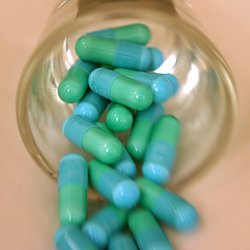
Much information has recently appeared about the impending antibiotic crisis, based on the fact that there are fewer and fewer drugs that can treat newly emerging microbes that are resistant to medicinal substances.
This is also facilitated by the latest discovery, which revealed that microorganisms are able to transfer their particles to each other to prevent the most powerful new antibiotics.
Does this mean the end of the antibiotic era, and will it take us back to a time when a common bacterial infection could be fatal?
Antibiotics and microorganisms
 Antibiotics are drugs that kill microorganisms like bacteria, fungi, and parasites. They have no effect on viruses because viruses are not microorganisms.
Bacteria are very small organisms, usually made up of a single cell, that are able to produce their own proteins and reproduce themselves as long as they have a source of nutrition. Some bacteria are good for health by helping digest food, while others are dangerous because they attack tissues and cells to feed or produce toxins.
Antibiotics have brought a major change in humanity's fight against infectious microorganisms and have significantly improved the chances of recovery in many areas of medicine. They work because they block the function of maintaining life in an unwanted microorganism, preventing cell walls from building or blocking a specific protein that is important for the survival of these microorganisms.
Viruses are not micro-organisms and cannot reproduce. And this is the key to understanding why the problem of antibiotics and antibiotic resistance has arisen. Too many doctors prescribe antibiotics to treat viral infections, which has made it possible for bacteria to mutate into stable forms.
How did antibiotic resistance come about?
 Microorganisms are constantly developing. By chance, the new generation leads to offspring with genes that are different from the previous ones, including those that have more advantages in surviving and reproducing even more offspring.
Now add to this scenario human efforts, that is, the production of antibiotics that are designed to kill bacteria. For microorganisms, this is just a selection in which those who survive produce even more offspring next time. So we get a recipe for cultivating antibiotic-resistant mutants.
Increasing antibiotic resistance has not occurred in millions of years, but in just a few decades. When we started using antibiotics to treat bacterial infections, we exposed too many bacteria to higher levels of antibiotics than if they had naturally encountered them.
The widespread and misuse of antibiotics is to blame
 Many experts are convinced that improper and too frequent use of antibiotics for treatment is responsible for the rapid emergence of microorganisms resistant to antibiotics.
Many doctors still prescribe antibiotics to treat viral infections such as colds and coughs. An American study has shown that by prescribing antibiotics to patients for viral diseases, we not only do not treat them, but we make them even worse. In Europe, antibiotics are the second most popular drug, after painkillers.
Antibiotics are also present in water and food. On farms, animals intended for consumption are fed antibiotics, not only to treat sick animals, but also to prevent infections and promote rapid growth in healthy animals. This has the dual effect of getting antibiotics with water and food and making bacteria resistant to them.
Using antibiotics wisely
 Today, the most important thing is the reasonable use of antibiotics. If we continue to use antibiotics in such quantities, we risk returning to the pre-antibiotic era, when a common infection could lead to death. Experts recommend that doctors take into account the following points:
1. Antibiotic exposure will lead to antibiotic resistance
2. Take responsibility for promoting the proper use of antibiotics
3. Prescribe antibiotics only when needed
4. Base antibiotic prescriptions on symptomatic diagnosis rather than patient findings
The American campaign “Be Smart: Know When Antibiotics Work” has repeatedly emphasized that antibiotics are intended for the treatment of bacterial infections, not viral infections, such as colds, flu, most cases of cough and bronchitis, tonsillitis not caused by streptococcus, or runny nose.
Why don't antibiotics help and what is bacterial resistance?