
Australia is the smallest continent on the planet, some call it the largest island. This is a distant and mysterious country that many have dreamed of since childhood. This country has an amazing combination of ultramodern cities and wildlife.
Many species of plants and animals found in Australia are not found anywhere else on the planet. Moreover, many representatives of flora and fauna disappeared from the Green Continent precisely with the appearance of Europeans there. Now, of course, the situation has changed dramatically. Australians are very careful and respectful of their nature, and Australia’s national parks have been built into a cult at the state level. Australia is truly a country of parks and reserves.
Kakadu National Park
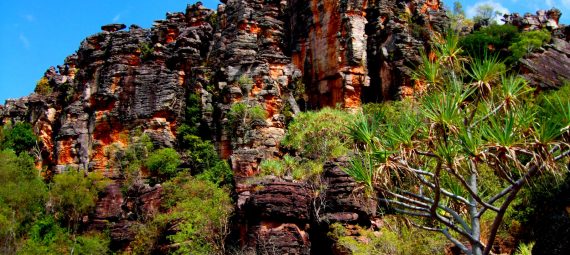
Kakadu National Park (Kakadu National Park) is the largest nature reserve in Australia, its territory could accommodate two Swiss. It is located on the lands of the Northern Territory about 150 km from the city of Darwin. This unique place is named not after the parrot breed, but after the tribe that lived on these lands. The oldest rock paintings discovered here are at least 18,000 years old! They are one of the main attractions of the park and reveal the secret of the life of local aborigines of different centuries. According to research by scientists, it turned out that the oldest settlements appeared here about 40,000 years ago. Direct descendants of the first settlers still live here. In general, many areas of the park look like places where no human has set foot. The nature of the national park is one of the most interesting areas for studying flora and fauna in the world. Both freshwater and saltwater crocodiles can be seen in the Noarlunga Creek and Majela Creek rivers. The largest reptiles in the world, reaching 6-7 meters in length, are very dangerous predators. There are cases of deaths of careless tourists. In total, about 117 species of reptiles, 60 species of mammals, 1,700 species of plants, 280 species of birds and more than 1,000 species of insects have been registered in the park. In addition, termite mounds with a height of 7-8 meters will amaze the imagination of visitors and guests of the reserve, as well as cascades of waterfalls, steep cliffs. I can’t list everything.
Great Sandy or Kulula National Park
Great Sandy National Park is located in Queensland in the Fraser Coast region. This is the only place in the world where a rainforest grows on the sand. If you really want to see wild dingo dogs, then you should come here to the world’s largest sandy Fraser Island. Here you will also see mangrove rain forests, swamps, beaches and many birds. You can watch whales, go fishing. There is a 90 km long Fraser Trail on Fraser Island, and a 102 km long five—day hiking trail in Kulula.
Freycinet National Park
Freycinet National Park is located on Australia’s largest island, Tasmania Island. This protected area is located 125 km from the capital of Tasmania, Hobart. Tasmania’s oldest park is full of natural resources. An amazing impression will be made by the mountains of pink and red granite, which rise above the sea, secluded coves, sandy beaches. Here, in the blue waters of Vainglass Bay, there is also one of the best beaches in Australia. In the clear waters surrounding the park, you can swim, kayak, and surf. The rich marine life of the coastal waters will reward snorkeling and diving enthusiasts. The park is also famous for a wide variety of birds, here you can see the legendary Tasmanian devil, wombat, echidna, kangaroo rats, wallabies.
Cradle Mountain Lake National Park-St. Clair
The Cradle Mountain Lake St. Clair National Park is also located on the island of Tasmania, 165 km northwest of Hobart. The park is included in the UNESCO World Heritage List. This area is a specially protected wildlife site and does not belong exclusively to recreational tourist routes. Those who are ready to give up mobile phones and the Internet and plunge into the real exotic come here. All the animals that have become symbols of Australia live here, and there is also the tallest mountain in Tasmania, Ossa, with a height of 1617 meters. And the flora in these places is represented by continuous endemics.
Purnululu National Park
Purnululu National Park is located in the state of Western Australia. The sandstone formations characteristic of this zone are among the most extensive in the world. Until 1983, this place was known only to aborigines. But during the filming of the documentary “Wonders of Washington State”, the film crew saw incredible formations from the air. It was the Bangle-Bangle Ridge. The best way to see this miracle is from a helicopter. The park is great for both hiking and four-wheel drive vehicles. But there are no shops in it, so you need to take food and water with you.
Uluru-Kata-Tjuta National Park
Uluru (Uluru-Kata Tjuta National Park) is one of the most famous nature reserves in Australia, located in the northern part of the country. Uluru is a huge monolith of sandstone with a height of 348 meters, formed more than 600 million years ago. The mountain is included in the list of UNESCO World Heritage Sites. The foot of the mountain is covered with ancient rock paintings. This place is the spiritual center of the indigenous peoples. An amazing feature of the mountain is that it changes color at different times of the day and year. Aboriginal tribes still live on the territory of the reserve, some of them work as guides in the reserve. Kata-Tjuta Hill, also known as Mount Olga, is 25 km from Uluru.
Kosciuszko National Park
Kosciuszko National Park is located in southeastern New South Wales around Australia’s highest mountain. It is also called the “mountain pearl of Australia”. The park is incredibly picturesque, most of it is included in the list of world reserves. Glacial lakes are located here and rivers such as the Snowy River, Murray and Murrumbidgee originate. It is the only habitat of the endangered southern corroboree frog. In winter, you can go skiing here.
Nambung National Park
Nambung National Park is located 245 km north of Perth, the capital of Western Australia. One of the most famous attractions of the park is the Pinnacles Desert, reminiscent of landscapes from science fiction films. These are limestone pillars of various shapes and sizes, some reaching a height of 3.5 meters. In addition to the desert, Nambung has beautiful sandy beaches, eucalyptus groves, flower meadows, which are especially impressive in spring, at the time of flowering. It is home to grey kangaroos, black cockatoos, a large population of emu birds and many reptiles.
Port Campbell National Park
One of the most recognizable landmarks of Port Campbell National Park is the Twelve Apostles group of rocks located along the coast. Now, however, there are only 8 of them left. The park is located in the western part of Victoria. Another famous place in the park is the shipwreck site of the XIX century Loch Ard. An incredible experience will be provided by a trip along one of the most picturesque roads in the world — the Great Ocean Road, which is a national heritage site of Australia, with stops in interesting places. There are many birds here, especially tourists like to watch penguins.
Daintree National Park
In the very north of Queensland, 100 km from Cairns, there is perhaps the oldest rainforest on the planet, occupying most of the Daintree National Park. It is in these places that animals live and plants grow that do not exist anywhere else on Earth.
Conclusion
Australia’s national parks are unique attractions that are already worth going there for. Of course, it is simply impossible to visit everything, because the country is big and the distances are huge. It is worth choosing what is interesting to you, and go ahead to adventure.