
 Ecology
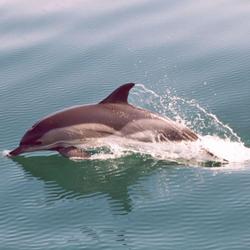
A dolphin for dinner? This practice is far more common than you might think. While people in much of the world disapprove of eating animals such as whales, dolphins and manatees, this phenomenon is becoming more common in poor countries. The decline in coastal fish catches has led many people to seek other sources of meat.
A joint report by the Alaska Wildlife Conservation Society and members of the Okapi Wildlife Association revealed that several poor countries, including Brazil, India, the Philippines, Peru, Madagascar, Sri Lanka and African countries use cetaceans such as dolphins, whales and manatees to feed their families.
Thus, due to the shortage of fish products in developing countries, the consumption of shark meat has moved from “extreme measures to a primary food product”. The menu is now expanding to include dolphins and other cetaceans.
In developing countries, with insufficient health education, health research takes place on a much smaller scale and families forced to exist do not They care too much about research, despite evidence that eating cetaceans is a significant health hazard — poisoning.
A 2008 study showed the toxicity of eating cetaceans due to mercury accumulation. Mercury is a globally dispersed pollutant that is present in soil, rocks, and water. Global industrialization and the consumption of fossil fuels have contributed to an increase in the amount of mercury released into the atmosphere. As soon as mercury reaches the water surface, a complex process takes place, as a result of which mercury can accumulate in fish muscles and fatty tissues.
The level of the hazardous substance increases as fish grow and smaller fish are eaten by larger ones. This process, called biomagnification, causes dolphins to accumulate toxic levels of methylmercury, which, if consumed excessively by a pregnant woman, can cause defects fetal nervous system development and other health problems.