
 Ecology
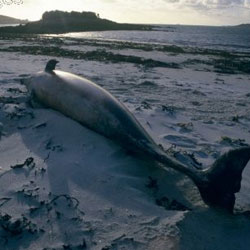
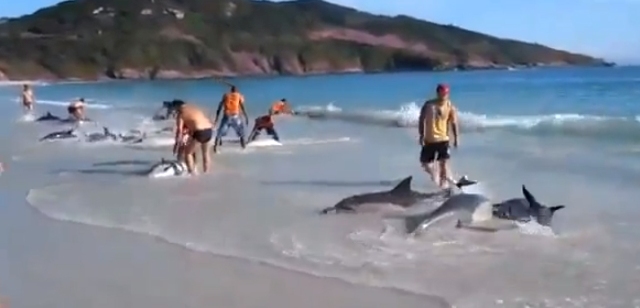
From New England to Peru, along the Atlantic coast of the Americas, the past few weeks have seen an unprecedented number of dolphins washed ashore, and scientists are trying to figure out why this happens.
On Cape Cod alone, 177 common dolphins ran aground and 124 died, according to reports by the Associated Press. The report also mentioned that in total, this number of dolphins exceeds the average of 37 animals recorded in the previous 12 years.
More than 200 dead dolphins have been dumped on the beaches of Chiclayo, Peru. In this case, not only dead dolphins were found, but also dead fish – anchovies. Since this little fish is food for dolphins, they may have become ill because of these fish, but the cause of death of the animals is still a mystery.
The International Fund for Animal Welfare has taken a number of measures to save dolphins in Massachusetts. Katie Moore, an employee of this foundation, recently wrote on her blog:
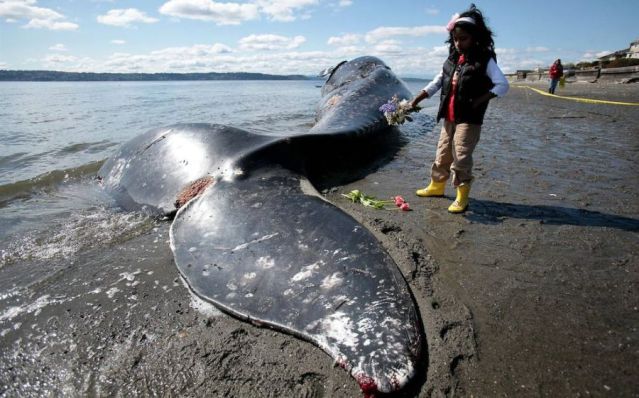
“Yesterday, we found a young, white-sided Atlantic dolphin that made it ashore in Welfleet. It was a female cub, about 1 year old. Delphiniha was very exhausted and dehydrated when rescuers found her. She looked ill, could hardly breathe, and soon died. We couldn't do anything.”
See also: A strange creature washed ashore on Sakhalin
Moore and other experts have suggested the following possible reasons why dolphins are more likely to be washed ashore:
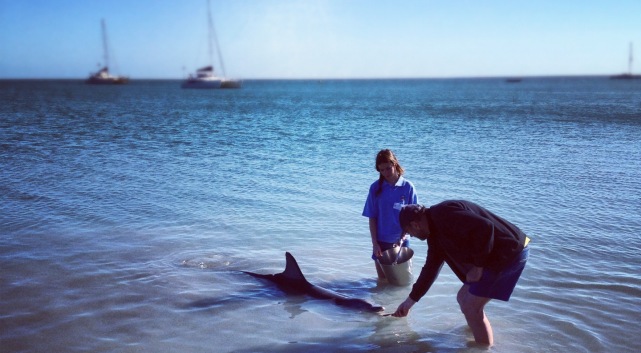
1) This year is an unusually warm winter in this part of the world. Unusually warm temperatures affect animals' reproductive cycles, hibernation patterns, and so on. These changes may also affect dolphins in some way.
2) Geography. The hooked shape of Cape Cod could confuse dolphins, and they fell into the bay like a trap. However, questions remain as to why dolphins are sailing in this direction, and why have so many dead dolphins been seen elsewhere, such as Peru?
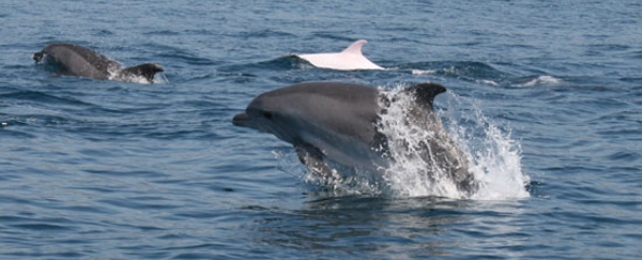
3) Feed movement. Climate cycles may have changed the direction of fish and other living creatures that dolphins feed on. Dolphins, while chasing prey, could swim close to the shore and be thrown onto land. This makes sense when you consider that dolphins have been found stranded in Peru with sardines and other fish.
4) Diseases. Employees of the Fund for the Protection of Animals took blood samples from animals washed ashore, but they have not yet been able to give an exact answer to the question of what disease affected them.
5) Decompression. Dolphins can also develop decompression sickness, which in humans is called caisson disease, which occurs when gas bubbles enter the blood during a sudden change in pressure, destroying the walls cells and vessels. This explanation may not seem very plausible, but scientists have found that in the blood and tissues of some of the dead beaks that were washed ashore near military test sites sonars, there were gas bubbles.
“Beaks were washed ashore near sonar, which was very unusual,” the scientists said. The high mortality rate among these animals has led a new generation of marine mammal physiologists to raise again the question of how animals can use compressed gas as they dive deeper and deeper.
Unusual weather is the most likely cause of animal behavior, even if it is accompanied by a number of additional factors, for example, an increase in the number of pathogens. Scientists continue to closely monitor events and try to find other explanations.