
 Unbelievable facts
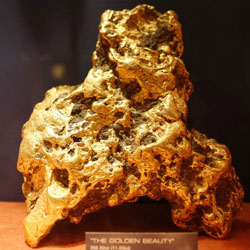
Gold has always been valued for its beauty, suitability for jewelry production and low prevalence. The origin of this valuable metal has long been the subject of controversy, but it has recently been revealed that gold appeared on our planet during the collisions of dead stars.
American astrophysicists reported that gold was formed due to a burst of gamma rays, which released a significant amount of heavy metals. Gold is a rare metal on Earth, partly because it's rare in the universe at all.
The 10 Most Valuable Metals in the World
Unlike elements like carbon or iron, gold cannot form inside a star, but only during major cataclysms, such as a gamma-ray burst. One of these spikes was recorded last month.
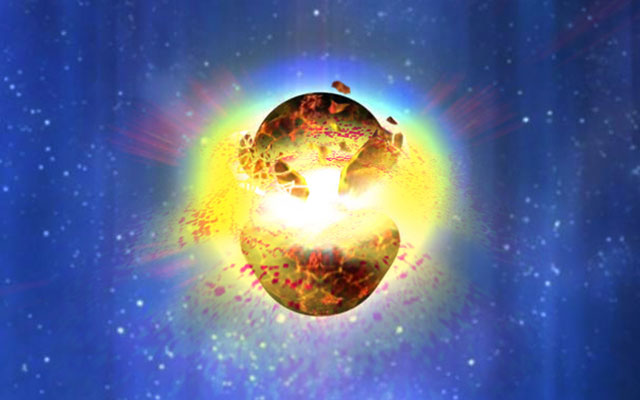
Observations of gamma-ray bursts showed that they were associated with the collision of two neutron stars — dead cores of stars that had exploded as supernovae a little earlier. Moreover, the unique glow that has been observed in the area of the surge for several days potentially indicates the formation of heavy elements, including gold.
Why is gold the equivalent of all money?
Scientists have suggested that during the collision of two neutron stars, a relatively large amount of gold was formed, the total mass of which is equal to 10 times the mass of the Moon. Most of this gold is now somewhere in the far reaches of the universe.
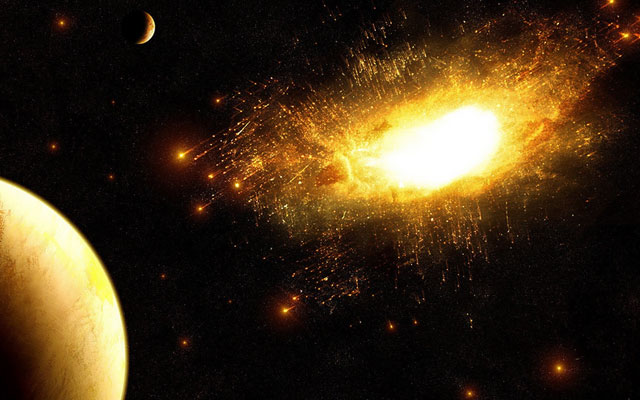
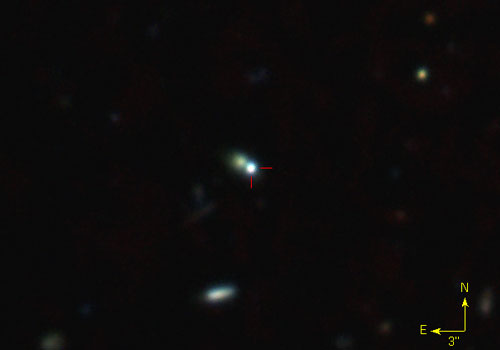
The gamma-ray burst that was observed in June was named 130603B. It happened at a fairly impressive distance — about 4 billion light years from Earth. This is the closest surge scientists have ever observed to us. It was discovered by NASA's Swift satellite on June 3, 2013 and lasted less than two-tenths of a second.
Neutron-rich material that was released when neutron stars collided can form elements that subsequently decay radiologically, releasing glow.
Interesting facts about gold
Throughout their history, earthlings have extracted a relatively small amount of gold — about 172 thousand tons. Most of the reserves of this valuable metal are now in the Earth's core. If all of the planet's remaining gold were combined into one cube, each side of the cube would be 21 meters long.
Gold does not corrode and very few chemicals can damage it. That is why it remains brilliant even after lying somewhere in the ground for over a thousand years.
10 lost treasures around the world

75% of all gold mined on the planet was mined after 1910.
Compared to diamonds, gold is very rare.
Gold is a very heavy metal, although it is quite soft. Absolutely pure gold is so soft that you can stretch it with your hands. Gold is 19.3 times heavier than water, and one cubic meter of gold weighs 19,300 kilograms.
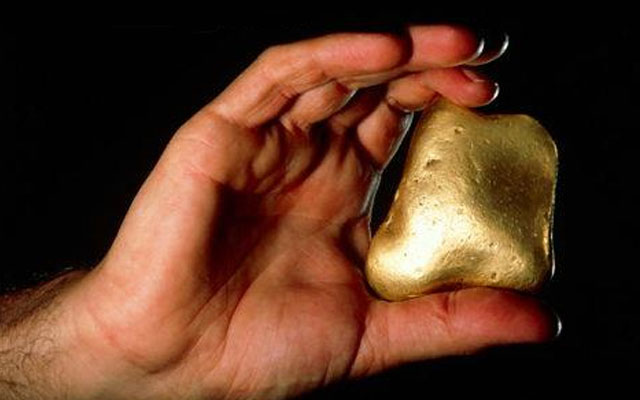
The largest solid piece of gold ever found weighed about 90 kilograms and was discovered in Australia.
There are huge amounts of gold in the oceans, but in very low concentrations — 1-2 parts per 10 million parts, that is, one cubic kilometer of seawater contains 10 to 20 kilograms of gold .
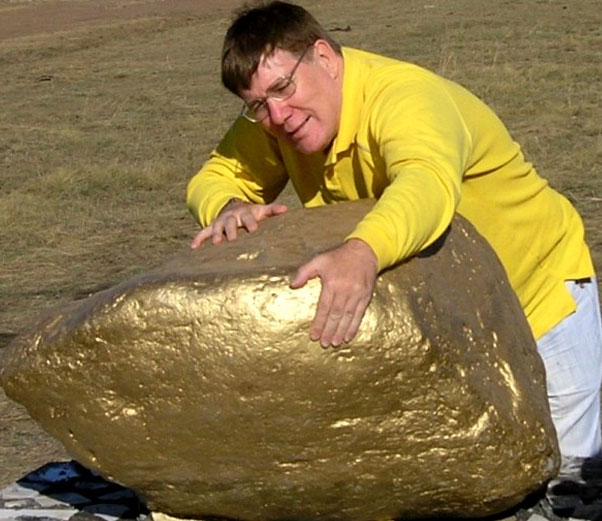
In general, gold has found use in many areas, in addition to jewelry. For example, wires and many computer parts are made partly of gold. It is also an important component for printing equipment, photo production, spacecraft, and dyes. There's even edible gold used in cooking!
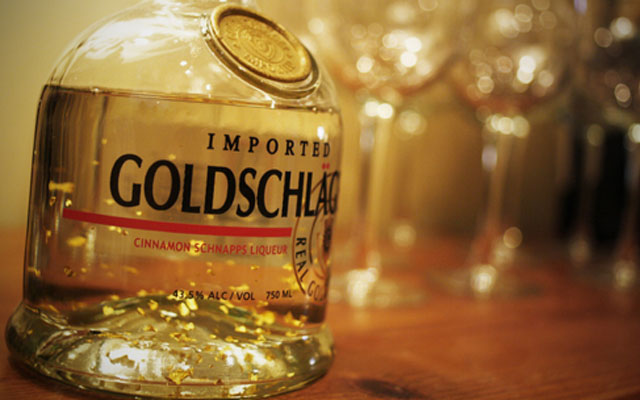
For example, the famous Goldschläger liqueur, a cinnamon-based Swiss schnapps, is sold in a bottle with the finest gold flakes. One liter of liquor usually contains about 13 grams of pure gold.
Researchers from Tel Aviv, Israel, have found a new use for gold. They found that gold nanofibers in artificial heart muscle can enhance the passage of electrical signals and restore heart function after heart attacks.
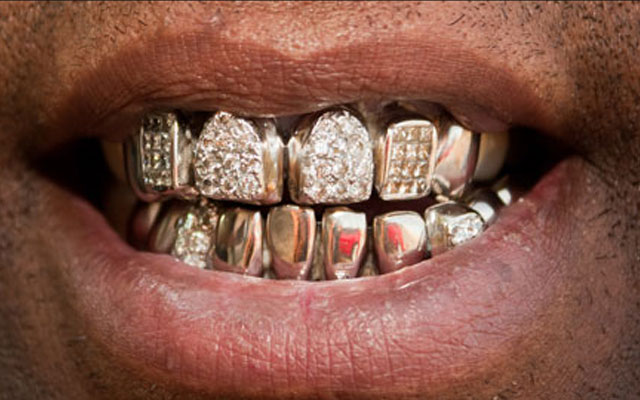
It has also been found that injections with pure gold can relieve arthritis symptoms. It is known that gold is used for the production of dental crowns due to its resistance to corrosion. So the medical use of gold is not new for a long time.
How do you make Gold out of Water?