
 Science
While flying to celestial bodies like Mars or the Moon seems much more exciting than, for example, traveling to conventional asteroids, scientists believe we still have a lot to learn interesting things about these pieces of rocks.
These celestial bodies of irregular shape and of all sizes fly almost everywhere within our solar system. Learn 5 reasons why we should care about them.
1) They keep the secrets of our solar system's origins
“The materials contained in asteroids are building blocks for planets,” says Carol Raymond, chief researcher at NASA's Dawn Project. This spacecraft was launched in 2007, visited the asteroid Vesta and will orbit the dwarf planet Ceres by 2015. Due to the location of the asteroid belt, which lies between rocky planets and gas giants, the materials in asteroids can provide clues as to why planets that exist today, so varied.
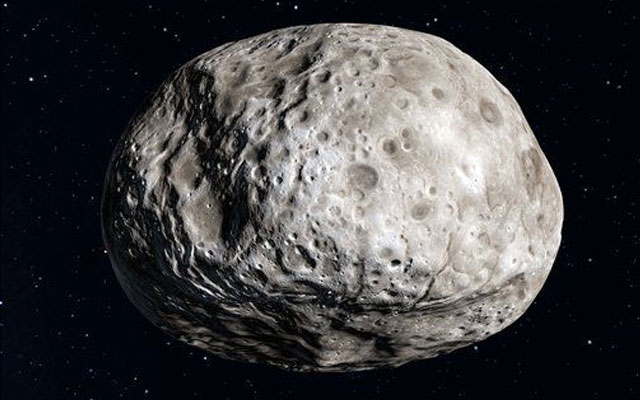
For example, although Ceres and Vesta were formed at about the same time, during the first 10 million years of the Solar System, today they have very different compositions. Vesta, in a way, completely melted and then hardened again, so it's smooth today. At the same time, Ceres does not seem to have gone through a similar stage of swimming.
Vesta probably experienced more collisions, or had high levels of the radioactive form of aluminum, which released heat during radioactive decay. By studying each of these asteroids in more detail, researchers will be able to solve this riddle.
2) They can shed light on the origin of life
Scientists are not yet sure how the simplest forms of life from inorganic material could appear on the planet, and asteroids can clarify something about this.
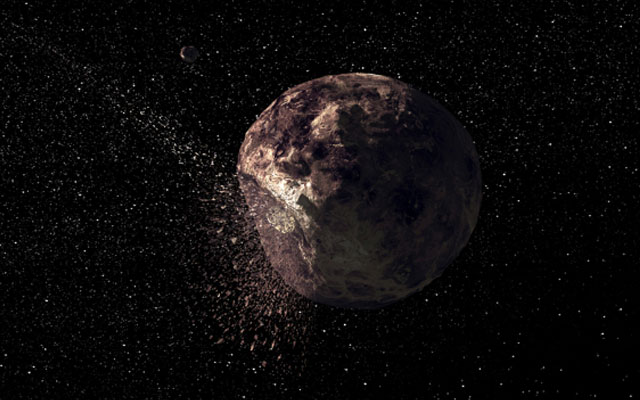
Asteroids like 2 Pallas and 10 Hygiea, which scientists believe once contained water, may have organic (carbon-based) compounds, says Raymond. Today, these asteroids have a more primitive chemical composition than Earth, and they are more reminiscent of the conditions that existed in the solar system at the very beginning of its existence. By studying them, we will be able to learn more about how life could have come to our planet.
Scientists believe that asteroids that landed on Earth a long time ago may have brought with them the building blocks that helped life develop here.
3) We can mine metals on asteroids
“There is increased interest in going to asteroids in the belt, which is close to Earth,” Raymond said. “They may be sources of valuable metals.” To explore the possibility of such operations, we need to learn more about the composition of asteroids and the technical aspects of traveling to them.
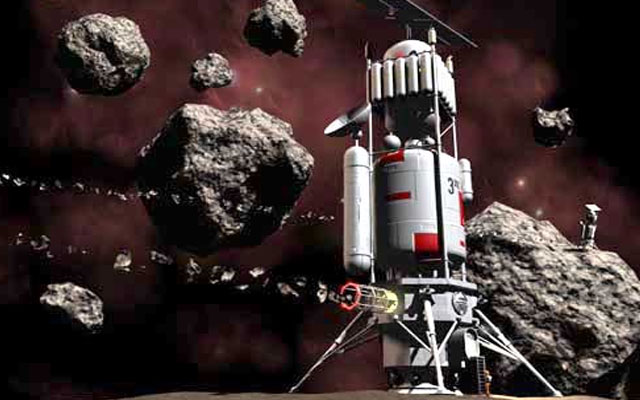
In addition to being able to extract
minerals, these asteroids are scientifically interesting because research can supplement our knowledge of major planets. Analyzing the difference between planets and smaller asteroids is like capturing layers of the solar system at different stages of its formation.
4) They can threaten life on Earth
Since many asteroids orbit the Sun along a path that looks like elongated ovals, they intersect the Earth's orbit very often. Sometimes they come very close to Earth. For example, in January 2010, asteroid 2010 AL30 passed only 130,000 kilometers from Earth.
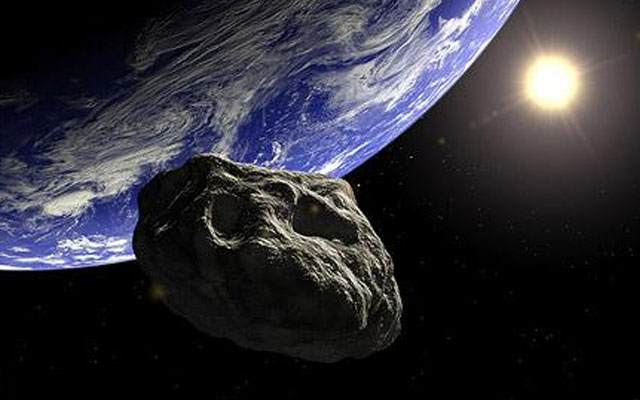
This asteroid was only 11 meters in diameter. More worrying is the asteroid Apophis, which will approach Earth on April 13, 2036. NASA also predicts that it will not come closer than 30,000 kilometers to our planet, but it is quite large, with more than two football fields. While it's not much to do as much damage as asteroids do in Hollywood movies, it can destroy large enough regions if it does fall somewhere on Earth's surface.
5) Astronauts can fly to asteroids
In April 2010, US President Barack Obama announced that Americans intended to visit an asteroid by 2025. In a televised discussion at the time, astrophysicist John Gransfield, a former NASA astronaut who participated in 5 shuttle missions, also said that we need to develop an asteroid
movement system for changes in their trajectory.
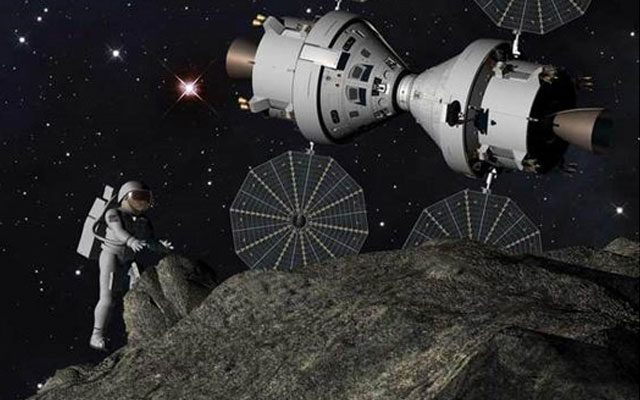
Such an achievement could show that humanity can avert danger if a celestial body suddenly decides to collide with our planet.