
 Unbelievable facts
Smoke-free marijuana? This is now possible thanks to Israeli scientists who have created a new form of cannabis that has medical benefits, but does not lead to a state of drug intoxication.
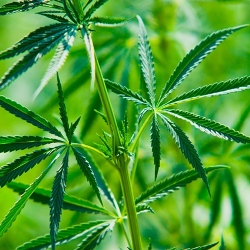
According to the data, new hemp looks, smells and tastes no different from ordinary hemp, but does not cause any of the sensations commonly associated with smoking marijuana caused by the substance tetrahydrocannabinol (THC).
“It has the same appearance, shape and taste as the original plant, that is, it is the same, except for the “dulling” sensation that hemp users are accustomed to and which is now gone,” – explained Tzahi Klein, the head of the firm that developed the new type of hemp.
Many of the patients who tried the new plant came back and claimed they were tricked into believing they were given a placebo.
Israeli scientists have been looking for a way to neutralize the effects of THC and increase the effects of another substance called cannabidiol. According to recent studies, this substance helps diabetics and alleviates many symptoms of psychiatric disorders.
New cannabis not only relieves the drug condition, but also does not cause the state of uncontrollable hunger that usually occurs from smoking marijuana.
Despite the achievement, this is unlikely to affect Israeli laws that prohibit the use of marijuana except for medical use.
Marijuana as a medicine
 The data on the medical benefits of marijuana are still confusing, mainly due to the fact that there is limited research on the subject.
Doctors say that studies have confirmed that marijuana helps to cope with neuropathic pain, which is caused by certain types of nerve damage.
Marijuana also affects appetite and nausea. Several studies have shown that it alleviates nausea in cancer patients undergoing chemotherapy treatment. Studies on HIV patients have shown that smoking marijuana can improve appetite and help gain weight.
But for a number of other diseases where marijuana has been used, such as epilepsy and immune diseases such as lupus, research data is scarce and inconclusive. This presents a challenge for doctors and patients who are considering marijuana as a therapeutic option. There is no data on when and how much it can benefit, and whether it works better than traditional drugs.
Marijuana also has a range of side effects, including increased heart rate and short-term memory loss, and in rare cases, anxiety and hallucinations.
Long-term marijuana use can lead to physical dependence, although it is not as addictive as nicotine and alcohol.