
 Incredible facts
Sometimes it's hard to imagine how vast space is.
We can only observe a small part of the universe, and Earth is just a small scene in the vast expanse of space.
Here are some interesting facts about space that might make you think about your place in this world.
Read also: Debunking the most common myths about space
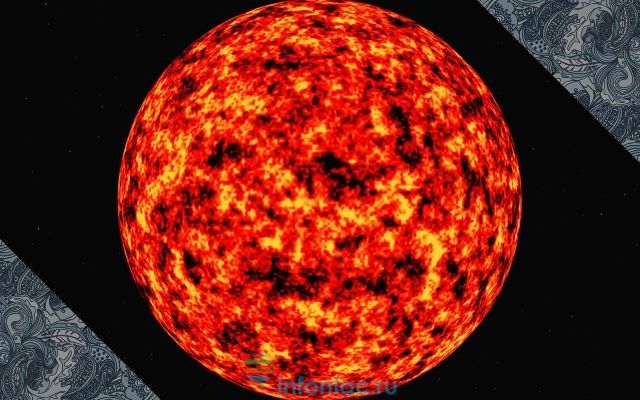
1. The Sun makes up 99.8 percent of the solar system's mass
© MR1805/Getty Images
Namely, 1,989,100,000,000,000,000,000,000 kg. All other planets, moons, asteroids and other matter, including all people on Earth, are contained in the remaining 0.2 percent.
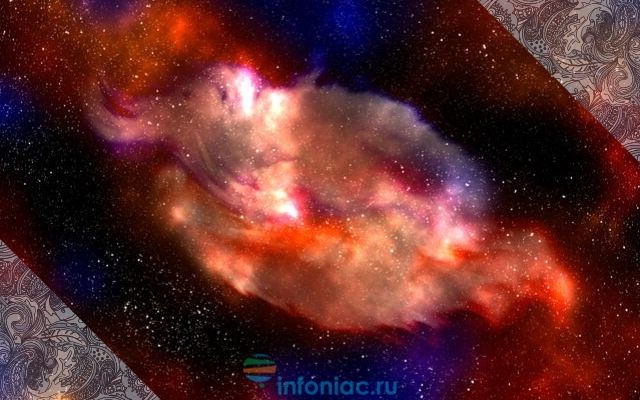
2. A gas cloud in the constellation of Orel contains enough alcohol to create 200 septillion liters of beer
© TasiPas
The amount of ethanol was measured in 1995, and scientists found 30 other chemicals in the cloud, but alcohol was the main one.
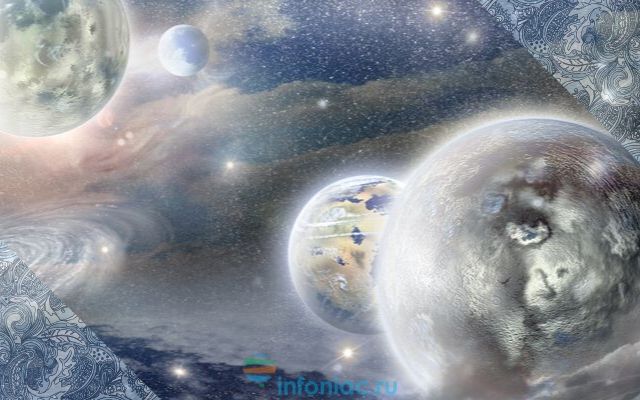
3. We've discovered more than 1,000 planets outside our solar system over the past 20 years
© draco-zlat/Getty Images
At the moment, the existence of 1,822 planets has been confirmed.
4. The sound of interstellar space sounds creepy
Voyager 1 recorded the sound of dense vibrating plasma in interstellar space in 2012 and 2013. This is what it sounds like.
Planets of the Solar System
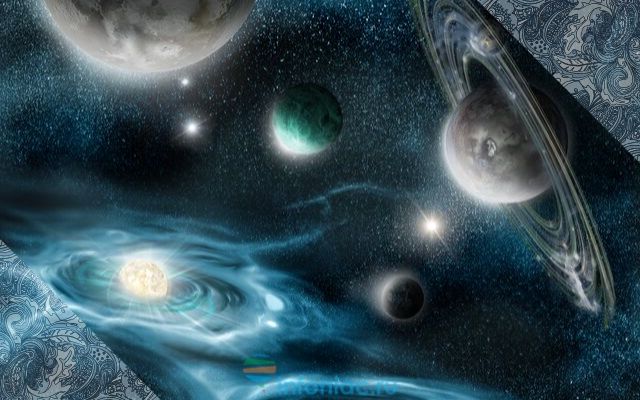
5. All the planets in the solar system could fit between the Earth and the Moon
© draco-zlat/Getty Images
Distance between Earth and Moon (384,440 km) — [Mercury diameter (4,879 km) + diameter of Venus (12,104 km) + diameter of Mars (6771 km) + diameter of Jupiter (138,350 km) + diameter of Saturn (114,630 km) + Uranus diameter (50,532 km) + Neptune diameter (49,105 km)] = 8069 km
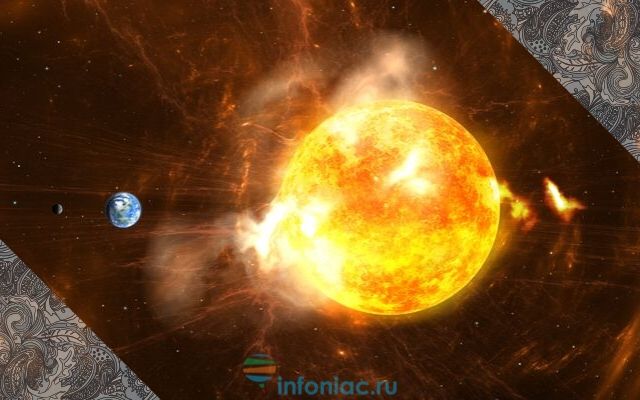
6. It takes an average of 170,000 years for a photon to travel from the Sun's core to the surface
© Pitris/Getty Images
But it's only eight minutes to reach Earth.
7. We won't be able to hear any sounds in space
© Sergey Khakimullin/Getty Images
Voyager tried to record the sound of interstellar space using a plasma wave instrument, but since the gas in interstellar space is less dense, we won't be able to hear it ourselves sound.
If a sound wave were going through a large cloud of gas in space, only a few atoms per second would reach the eardrum and we wouldn't hear the sound, as our eardrum doesn't quite sensitive.
Read also: 10 common things that behave differently in space
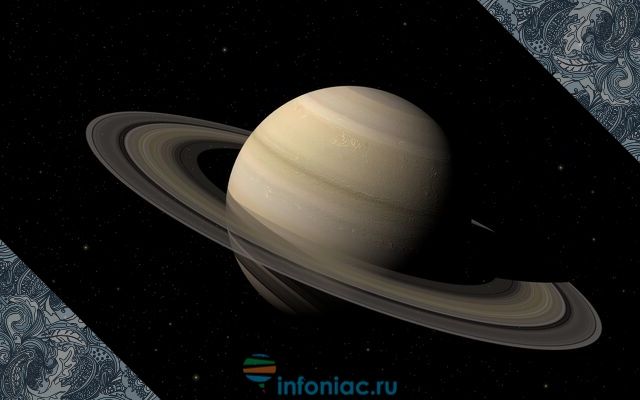
8. Saturn's rings disappear from time to time
© oorka/Getty Images
Every 14-15 years, Saturn's rings turn their edges towards Earth. They're so narrow compared to how big Saturn is that they seem to be disappearing.
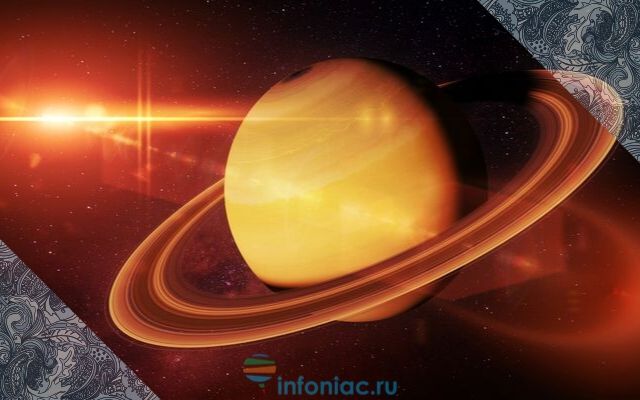
9. Saturn has an additional huge ring that was only discovered in 2009
© dottedhippo/Getty Images
The ring begins about 6 million kilometers from Saturn and is 12 million km long and would hold 300 Saturns. Saturn's moon Phoebe orbits inside the ring and some astronomers believe that it is the origin of the ring.
10. Saturn has a hexagonal cloud at Saturn's north pole
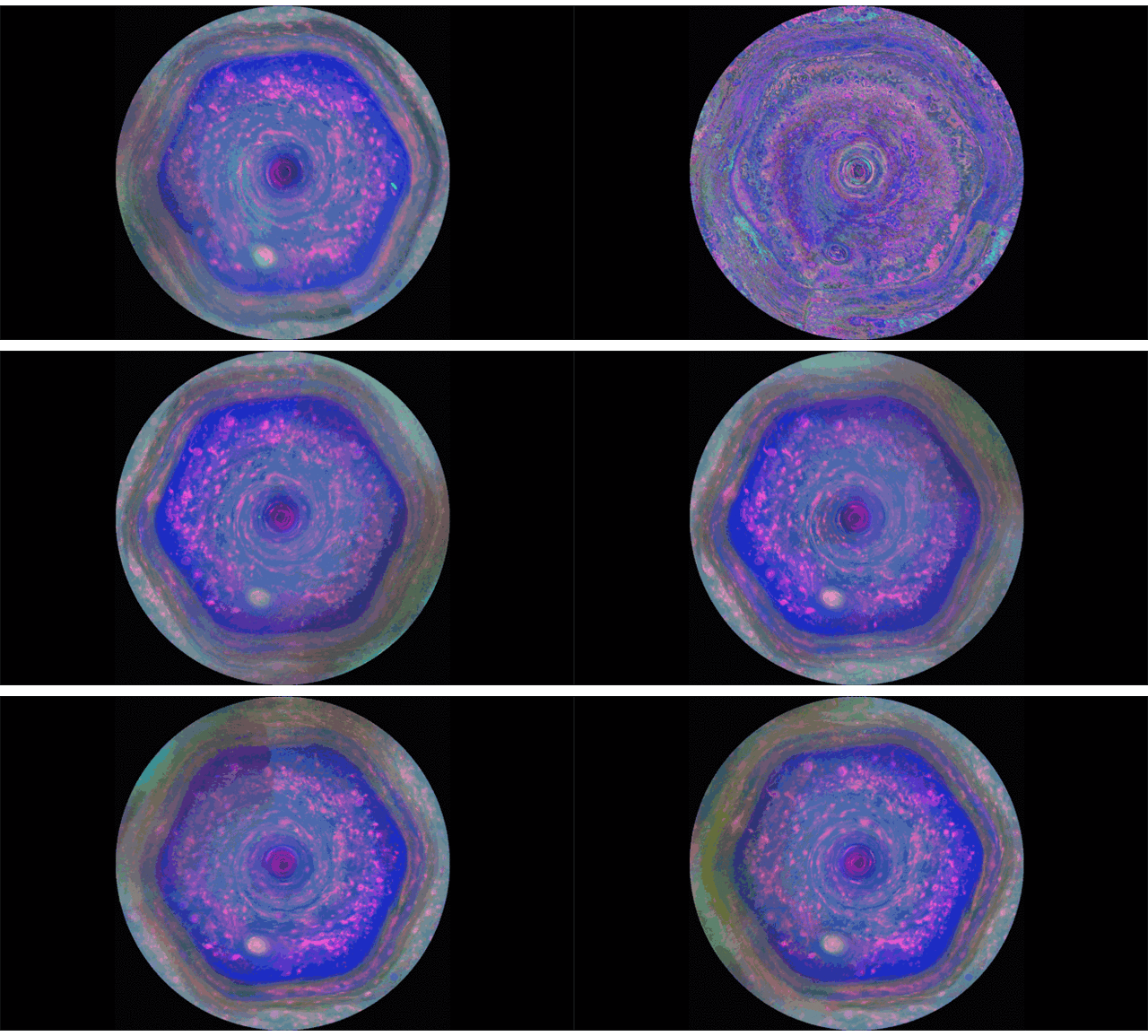
The hexagonal vortex extends nearly 30,000 km across.
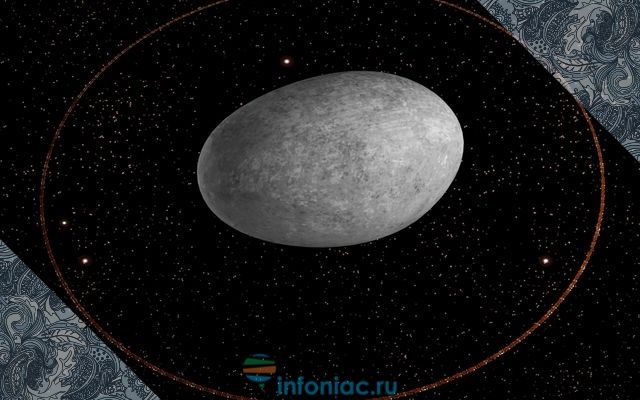
11. Our solar system has an asteroid with rings like Saturn
© Meletios Verras/Getty Images
The asteroid Chariklo has two dense and narrow rings. It is the fifth object in the solar system to have rings, along with Saturn, Jupiter, Neptune, and Uranus.
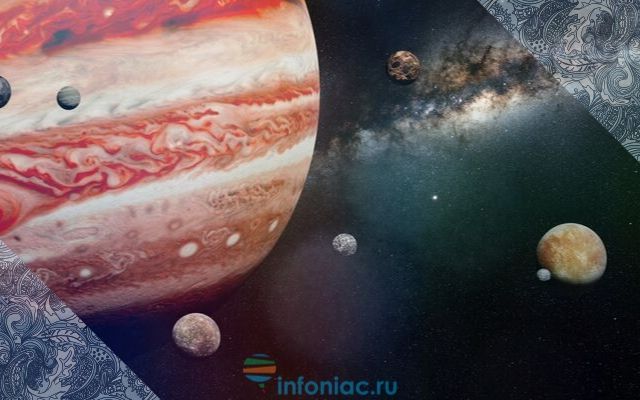
12. Jupiter is 2.5 times more massive (heavier) than all the planets in the Solar System combined
© dottedhippo/Getty Images
Its weight is equal to the weight of 317.8 planets like Earth.
Interesting facts about space
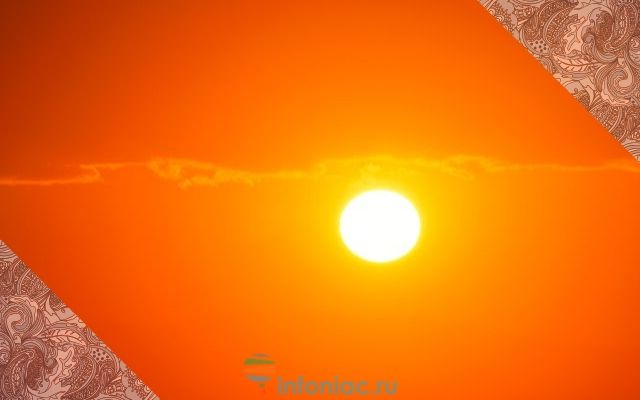
13. In an hour and a half, more solar energy reaches Earth than we used in all of 2001
© katana0007/Getty Images
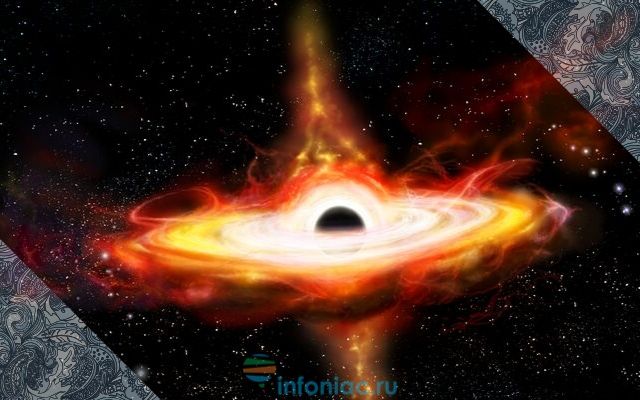
14. If you fell into a black hole, you'd be sprawled like noodles
© draco-zlat/Getty Images
This phenomenon is called spaggetification.
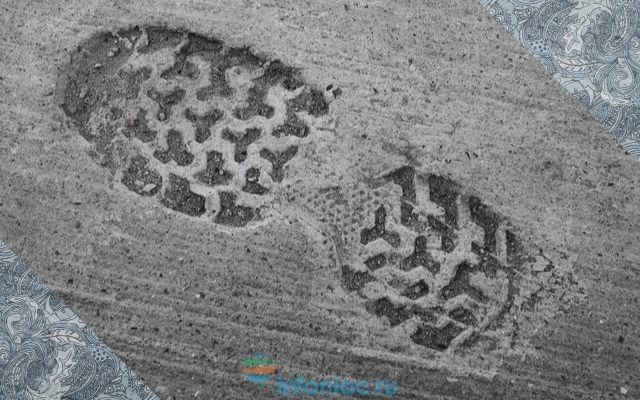
15. If nothing disturbs the moon (such as a meteorite), the traces left on its surface will remain intact forever
© Sophie Shoults
Unlike Earth, there is no erosion caused by wind and water.
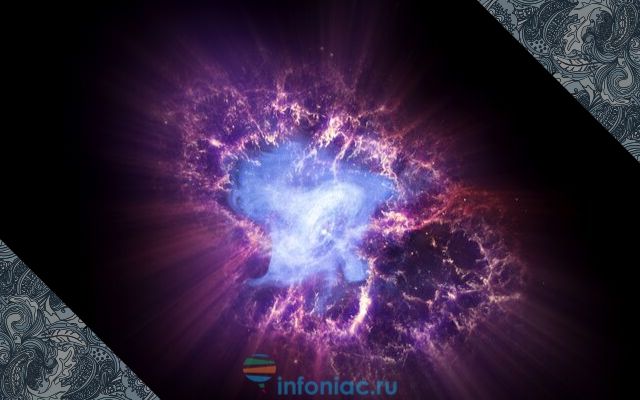
16. A star has recently been discovered that has been hiding in the glare of a supernova for 21 years
© Atypeek/Getty Images
The star and its companion that exploded and hid it from sight are in the galaxy M81, 11 million light years from Earth.
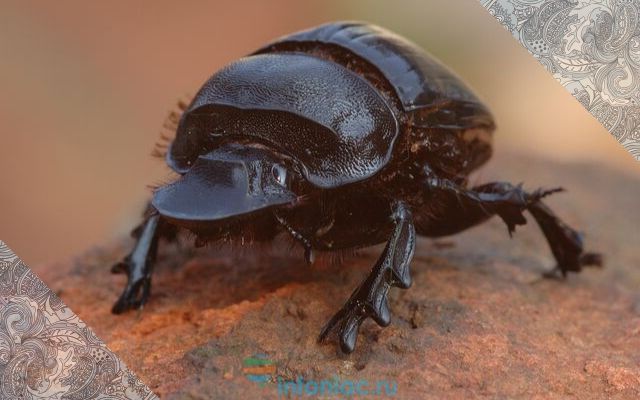
17. Dung beetles navigate the Milky Way
© J_Loot/Getty Images
Birds, seals and humans use stars to orient themselves, but African dung beetles use an entire galaxy rather than individual stars to make sure they're moving in a straight line.
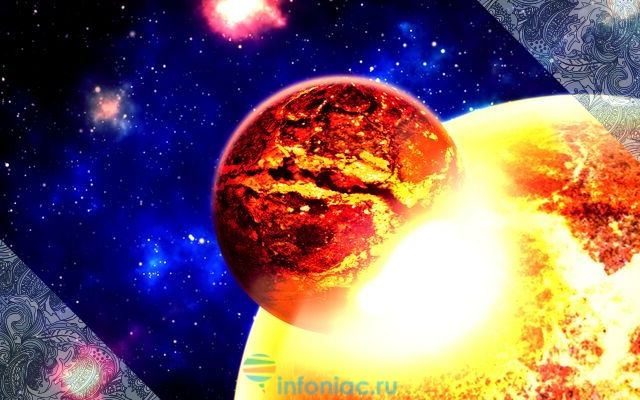
18. An object the size of Mars collided with Earth 4.5 billion years ago
© bannerwega/Getty Images
This is the most plausible explanation for how the Moon formed so far. A piece broke off from the object that became the Moon and caused the Earth's axis to tilt slightly.
Stars of the Universe
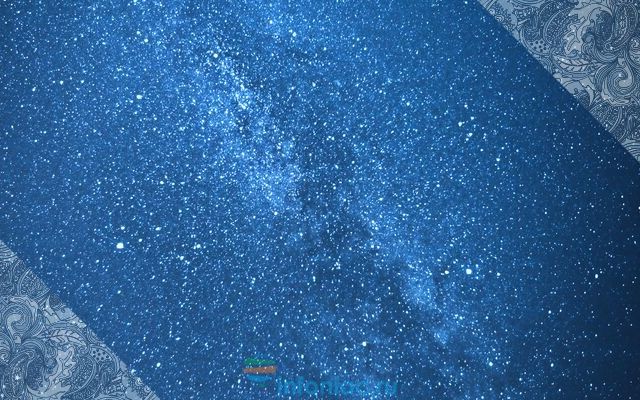
19. We're all made of stardust
© Leung Cho Pan
After the Big Bang, tiny particles combined to form hydrogen and helium. Then, in the very dense and hot centers of stars, they combined to create elements, including iron.
Since humans and other animals, and most matter, contain these elements, we can say that we are made up of stardust.
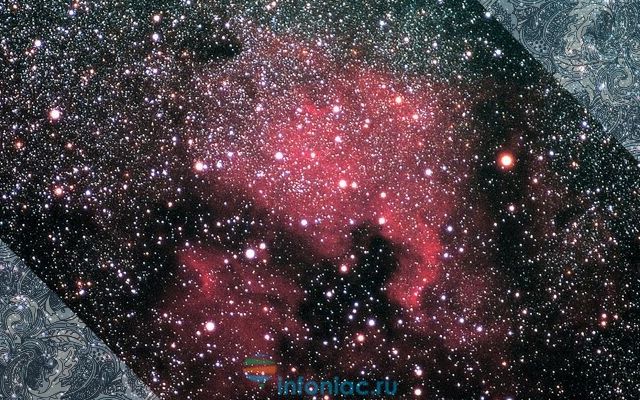
20. There are countless stars in the known universe
© WikiImages/pixabay
We don't know how many stars there are in the universe. At this point, we're using rough estimates to find out how many stars there are in our Milky Way galaxy. By multiplying this number by the estimated number of galaxies in the universe, we can say that there are an unimaginable number of stars.
According to a study by the Australian National Institute, the number of stars is approximately 70 sextillion, or 70,000 million million.