 Unbelievable facts
Space is fraught with a lot of mysteries.
Every day, there are more answers to some questions, but with them, many more questions arise.
Here are 15 unusual and interesting facts about space and our solar system that you probably haven't heard about:
1. The International Space Station is about the size of a football field.
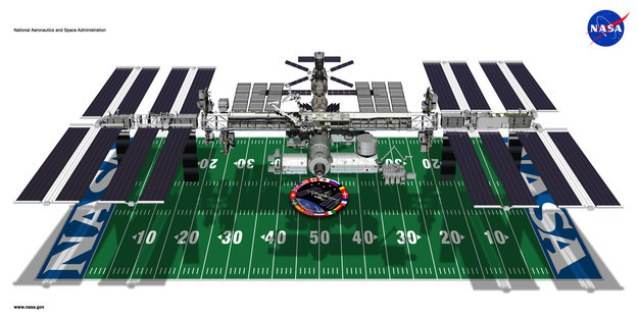
In addition, it should be noted that there is as much space at the station as there is in a house with six rooms. In addition, it has a gym and a protruding window with a 360-degree view.
2. In just over 11 days, the Hubble Space Telescope surveyed only the smallest part of the sky and discovered more than 10,000 galaxies.
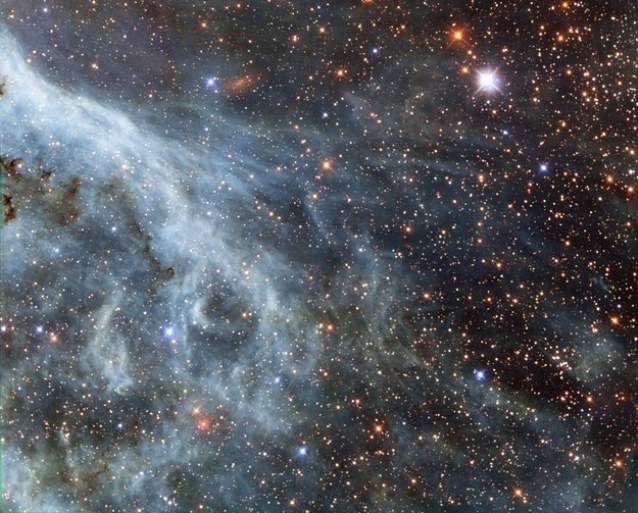
The piece of sky that the telescope explored is only 1/10 the diameter of the Moon.
3. During its existence, Hubble has been able to fly more than 4.8 billion km around Earth.
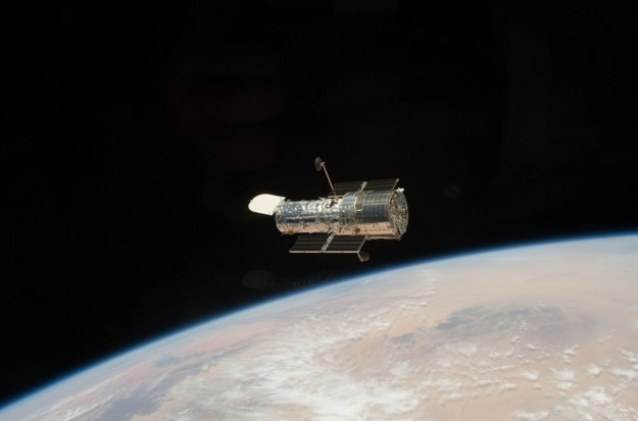
A telescope about the size of a bus weighs as much as two adult elephants. Hubble also generates about 844 gigabytes of data per month.
4. Dung beetles use the Milky Way to navigate
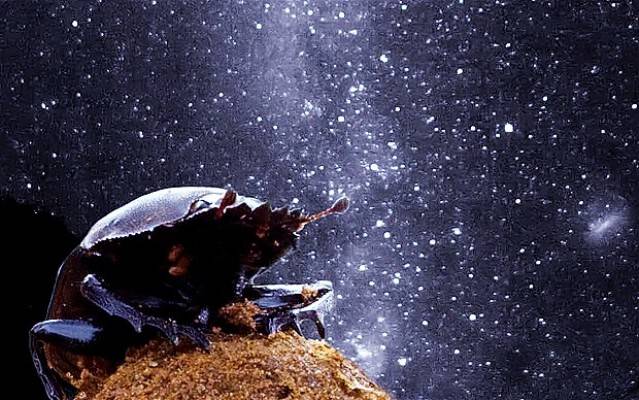
One study published in the journal Current Biology suggests that even during dark nights, African dung beetles manage to navigate the terrain, choosing the shortest the way to the final goal. But if there are clouds above the ground at night, they get lost, which means that they use the Sun, Moon and various celestial images to navigate straight ahead without going off course.
5. If you cry in space, tears will just stick to your face.
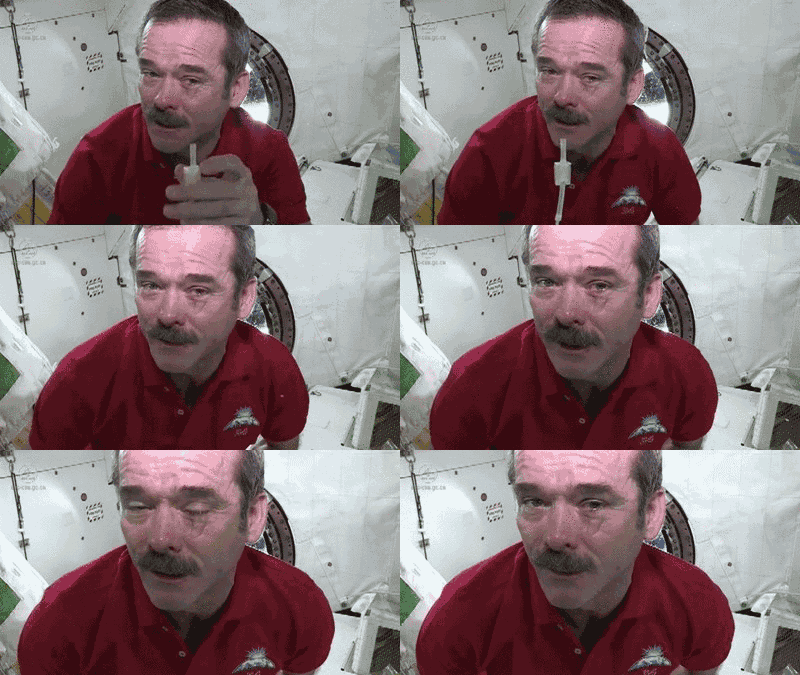
Here's a demonstration of this fact by astronomer Chris Hadfield:
6. Jupiter has more than 50 moons, the largest of which is Ganymede, which is larger than the planet Mercury.
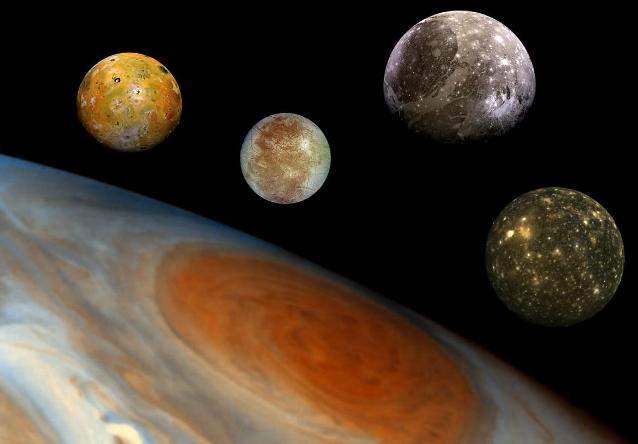
Ganymede is also the largest moon in our solar system. Jupiter's four largest moons (named Galilean moons because they were first discovered by Galileo) are Io, Europa, Ganymede, and Callisto (in order of distance from the planet).
Interesting facts about the planet Venus
7. On Venus, the Sun rises in the west and sets in the east.
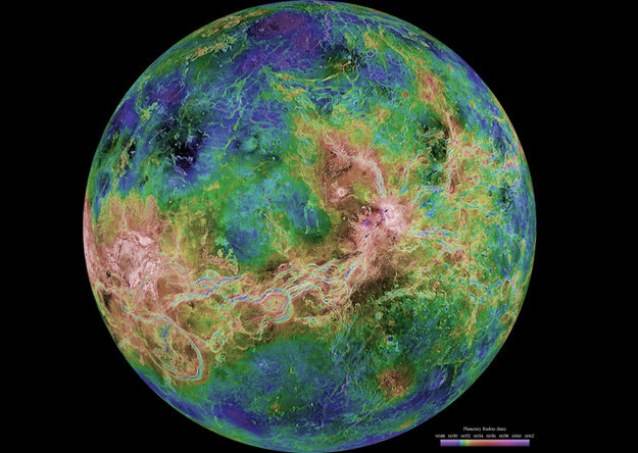
This planet rotates in the opposite direction (when compared to Earth and other planets in our solar system).
8. A day on Venus lasts more than a year.
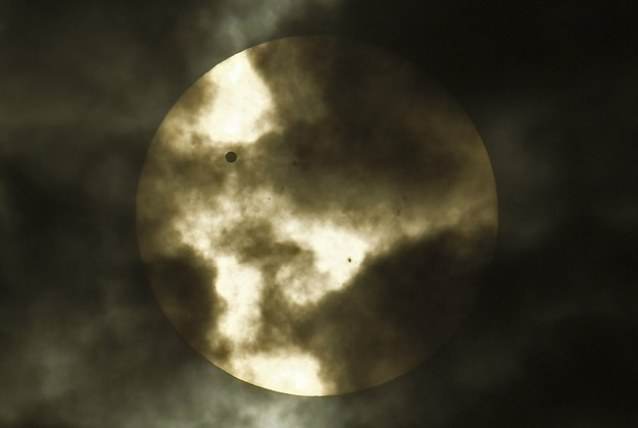
A year is the time it takes for a planet to make a full revolution around the Sun. Venus does this in about 225 Earth days, but Venus's incredibly slow rotation on its axis lasts 243 Earth days.
Interesting facts about the planet Saturn
9. Other planets also have rings, but Saturn's rings are the only ones that can be seen from Earth.
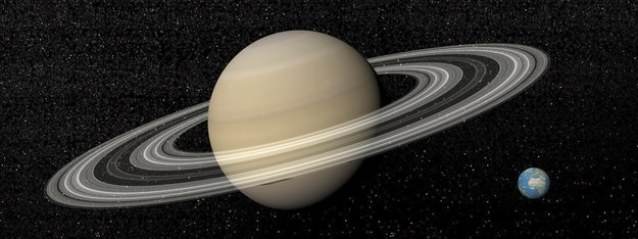
Amateur astronomers can see Saturn and its rings with a small telescope.
10. Speaking of Saturn, it is worth noting that its rings are not quite solid – they are made of ice and rock particles.
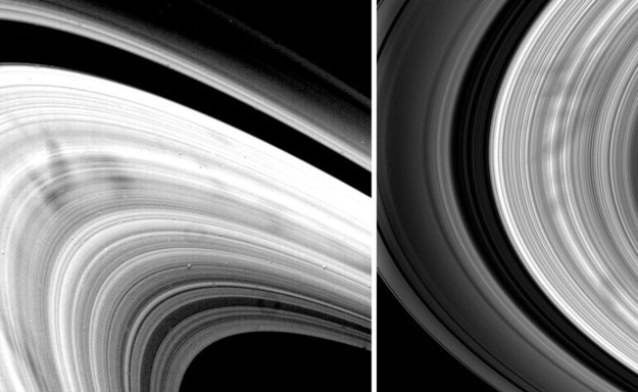
Some particles are about the size of a grain of sand, while others may be the size of an entire house. Scientists compare their position with a traffic jam – some particles collide with others and form large pieces, between which there is a large space, after which pieces of ice again accumulate and stone.
Interesting facts about the asteroid Bennu
11. Bennu is the most dangerous near-Earth asteroid for our planet, and NASA plans to send a spacecraft to take samples from it. A 9-year-old boy gave the name to the asteroid.
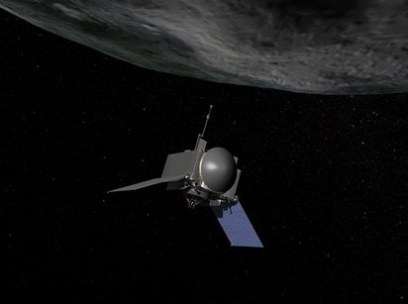
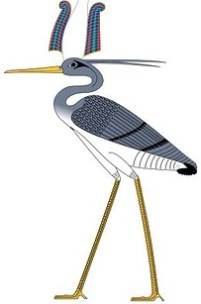
According to Michael Puzio, the Touch-and-Go Sample Mechanism aboard the OSIRIS-REx spacecraft is similar to the Egyptian god Bennu, who was usually depicted in the image of a gray heron, whose name translates as “ascending” or “shine”.
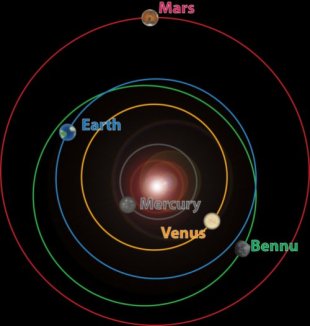
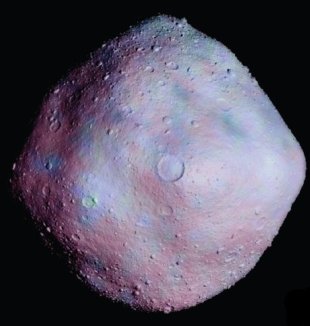
According to NASA, Bennu could be on his way to Earth in 2182. A flight to the asteroid is scheduled for 2016. By 2020, research on the surface of Bennu will begin, and by 2023, it is planned to deliver samples of the asteroid to Earth for research.
Interesting facts about the moon
12. On the Moon, you can find a small aluminum sculpture, 8.4 cm high, which pays tribute to fallen astronauts.
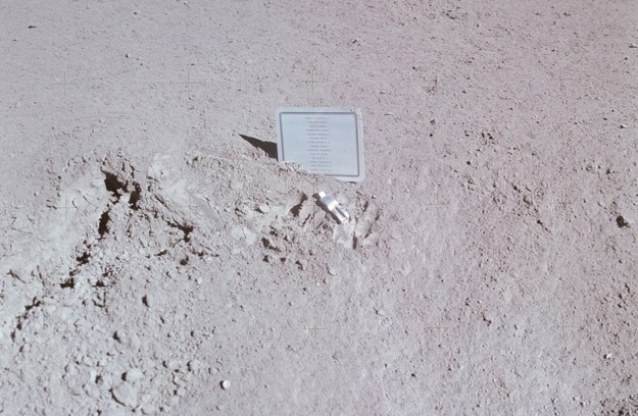
The memorial was created to commemorate astronauts who died before the Apollo 15 mission. Belgian sculptor Paul Van Hoeydonck is the author of this work. He decided to name the sculpture “The Fallen Astronaut”.
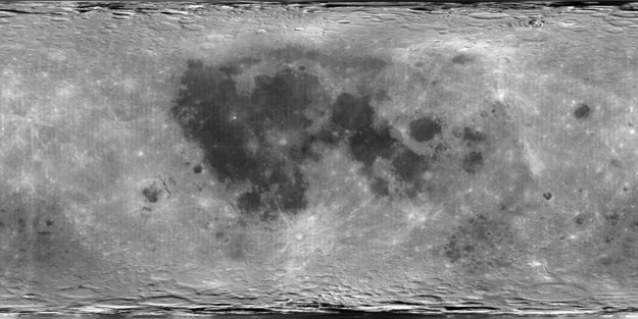
13. The large dark spot that can be seen on the lunar disk is called “maria” or the lunar sea.
14. The moon doesn't have a permanent dark side.
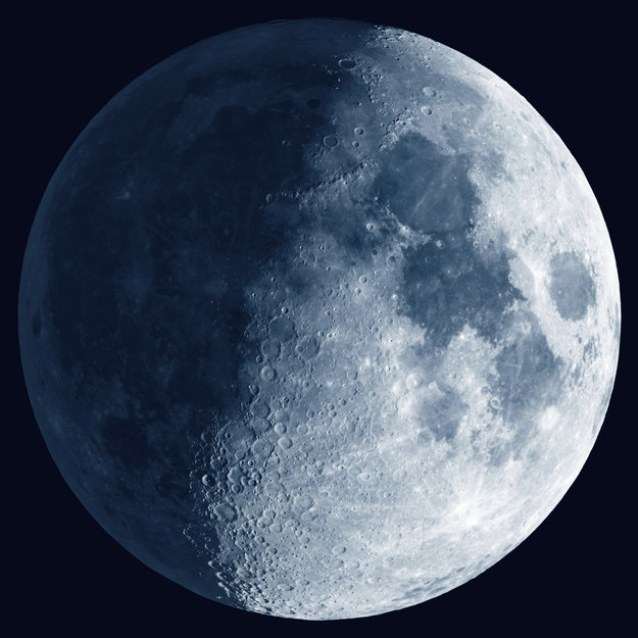
Since the Earth and the Moon have the same rotation, the Moon appears to us to be stationary. The first to see the “far” side of the Moon were Apollo 8 astronauts. They flew around the moon but didn't land on it.
15. A mineral found on the moon in 1969 was named armalcolite after three Apollo astronomers — Armstrong, Aldrin, and Collins.