
 Unbelievable facts
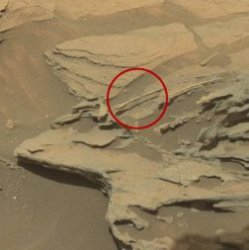
A strange find discovered on Mars by NASA's Curiosity spacecraft has excited the imagination of users of the World Wide Web.
This is not the first time in the past couple of years that strange shapes and objects have been found on the Red Planet.
However, in fact, the so-called “floating spoon” turned out to be a steep rock formation formed under the influence of Martian winds.
This is confidently stated by employees of the NASA space agency.
A spoon on Mars
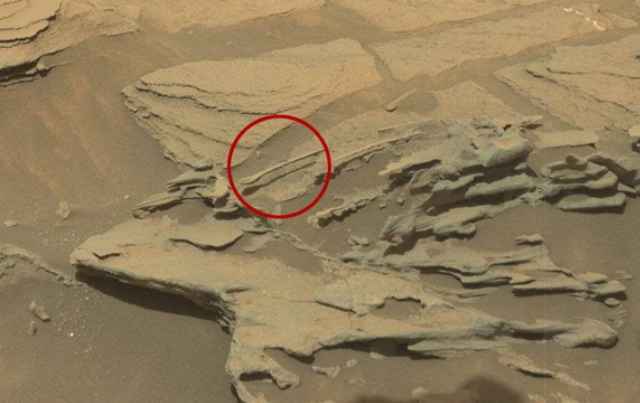
On August 30, Curiosity photographed a strange object, a spoon-shaped rock. It should be noted that this happened on the 1089th day of the rover's stay on the surface of the Red Planet.
The news spread quite quickly on the Internet. The photo clearly shows an object that can be seen against the background of a rock and ending in a rounded spoon-shaped handle. A strange object still in the same spoon-shape casts a shadow on the surface of Mars.
Read also: A trip to Mars is essential for the survival of the human race
However, NASA representatives disappointed the public with their statement that the Martian “spoon” is not a forgotten household item left on the site of a camp or kitchen.
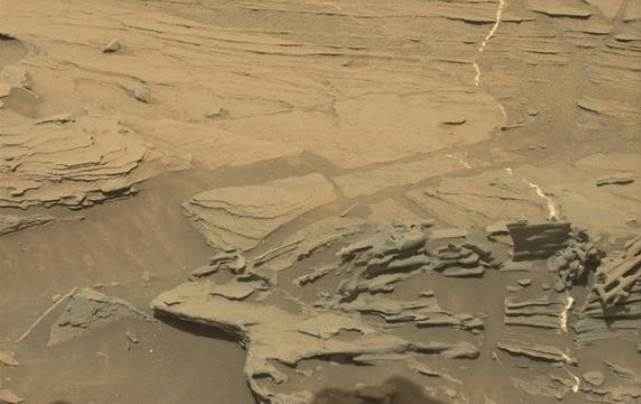
This means that this find is just a rock with an unusual shape. To the great disappointment of scientists, these are not “Martian footprints”, as many would like.
NASA officials wrote the following under the published image: “There is no Martian spoon, this unusual and misleading relief element is rock, shape which has been carved by the wind for many years.”
Read also: Mars may still be inhabited
However, not all the findings found on Mars can be safely attributed to real objects and objects.
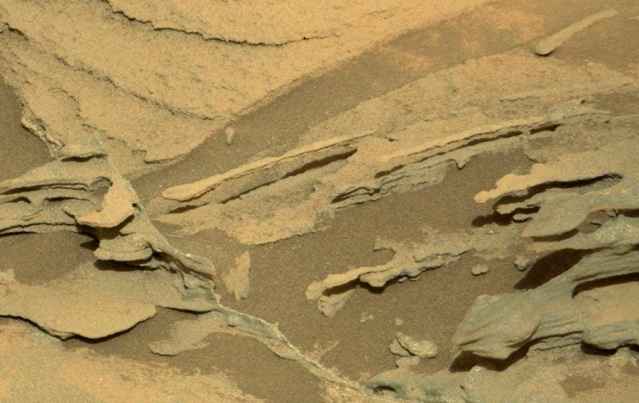
Some of the shapes and patterns found on the red planet are nothing more than simple optical illusions. To the disappointment of scientists, sometimes mysterious objects, when studied more closely, turn out to be the very illusions that can deceive the human brain.
Discoveries on Mars
The strange figures and objects that appear on the Red Planet constantly stir our imagination and confuse researchers.
Think back to that “creepy face on Mars” discovered by NASA's Viking 1 orbiter some time ago.
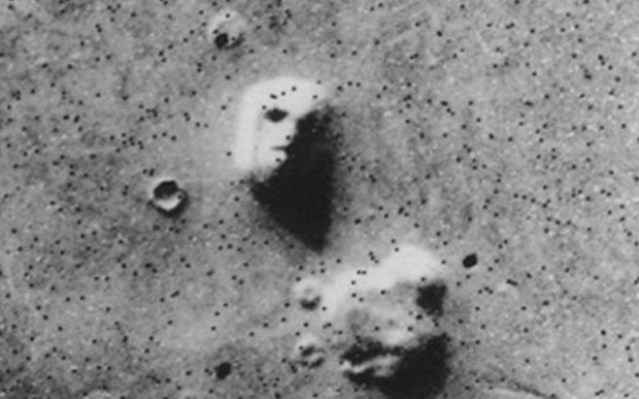
This was followed by a series of strange shapes and objects, including the shape of a rat, a female image and, most recently, a crab.
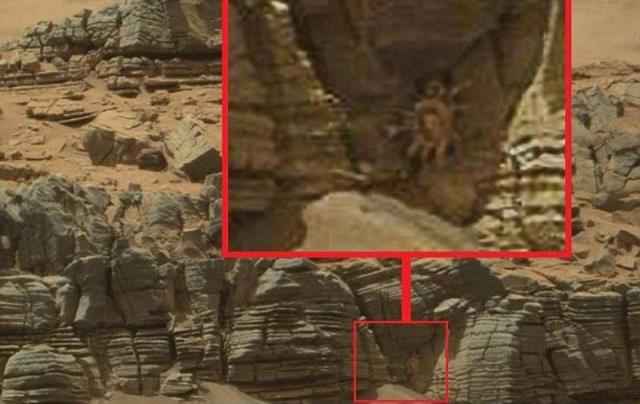
The Curiosity rover landed on Mars in August 2012 and is currently studying the structural features of the Red Planet.
Lauren Edgar, a member of the US Geological Survey, in her updates to social media statuses, says he is convinced that researchers have a lot of important and interesting things to do discoveries about the mysterious planet Mars.
Interesting facts about Mars
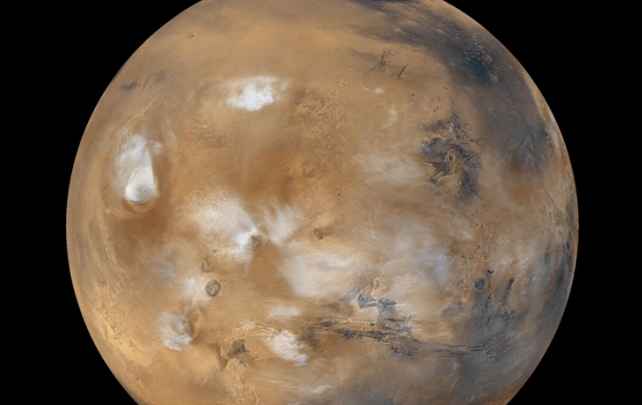
– The so-called Red Planet originated more than 4.5 billion years ago. The diameter of Mars is 2 times smaller than the diameter of the Earth, and the mass is almost 10 times lighter.
– Mars has mountains above Everest; today Mount Olympus, which is essentially an extinct volcano, has been called the highest mountain in the solar system ever discovered by man.
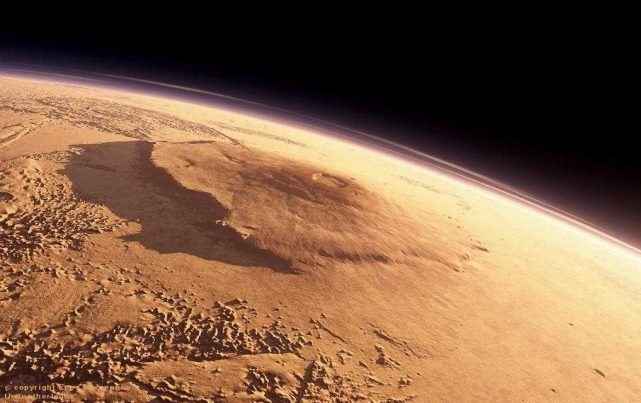
– The temperature at the equator of the Red Planet varies from +30 ºC at noon and reaches -80 ºC at night. Closer to the poles, the temperature drops to -140 ºC.
– Frequent dust storms, which rage with terrible intensity, are typical for Mars.
The wind speed during such storms sometimes reaches 200 km/h, and the duration of these storms is also amazing. If bad weather lasts for days, and sometimes weeks, it can swallow up the entire planet.
See also: Half-naked woman and crab spotted on Mars
When Mars approaches the Sun, the likelihood of such storms increases significantly.
– The first person to see Mars through a telescope was the famous Italian explorer Galileo Galilei. This event took place in 1609.

Planet Mars: interesting facts
– The second name for Mars is the Red Planet. There are iron minerals on the surface of Mars, which oxidize the soil and give it a red tint.
– During the study of space, more than 40 spacecraft were sent to Mars, ranging from orbiters to the most modern rovers.
– The planet Mars has two satellites: Phobos and Deimos.
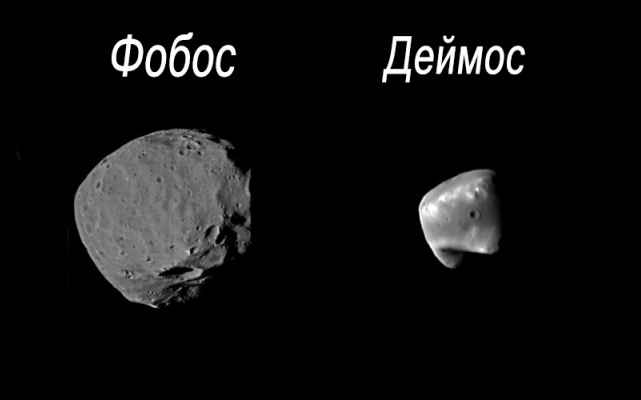
– Mars doesn't have rings that are so often depicted in pictures.
– The length of a day on Mars is just over 24 hours (during this time the planet makes one full revolution around its own axis).
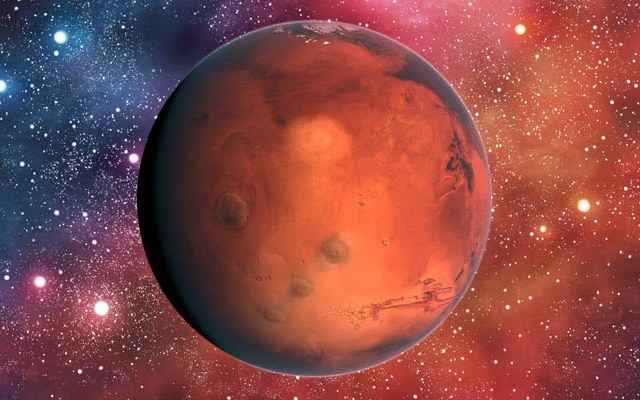
– Mars makes a full revolution around the Sun in 687 Earth days, which is how many days a year lasts on the Red Planet.